
Many industries are changing the way they think about packaging. Governments, retailers, and consumers are asking for cleaner and more responsible solutions. Because of this global shift, recyclable flexible packaging is becoming a key requirement in international markets rather than an optional upgrade.
When recyclable flexible packaging is compared with conventional flexible packaging, the main difference is material structure. Conventional flexible packaging uses laminated layers that perform well but are difficult to recycle, so they often become waste. Recyclable flexible packaging uses mono material structures that are easy to recycle. Around 90 percent is made from mono material PE, while about 10 percent is made from mono material PP. These materials are widely accepted in recycling systems and support circular economy goals.
International markets are now paying close attention to how packaging is designed. Buyers want packaging that meets sustainability standards without sacrificing quality. Recyclable flexible packaging offers a practical solution by combining environmental responsibility with strong performance.
In this article we will guide you through why recyclable flexible packaging is becoming essential in international markets. It explains how mono material packaging supports sustainability goals while meeting cost, performance and regulatory needs. You will also learn how recyclable flexible packaging helps global brands improve compliance, brand value and long term market success.
Environmental issues are no longer local problems. Plastic waste, landfill pressure, and ocean pollution affect countries worldwide. Governments and organizations are working together to reduce waste and improve recycling rates.
Conventional flexible packaging contributes to waste because it is difficult to recycle. The use of multiple laminated layers prevents proper recycling, even when collection systems exist. This has pushed brands to look for better alternatives.
Recyclable flexible packaging helps reduce environmental impact by using mono material structures. These materials can be collected, processed, and reused more easily. This reduces landfill waste and supports sustainability targets.
International brands using recyclable flexible packaging show that they are taking responsibility for their environmental impact. This improves brand reputation and builds trust with global customers.
Many countries are introducing stricter packaging waste regulations. Governments are limiting the use of non recyclable materials and encouraging recyclable designs.
Conventional flexible packaging often fails to meet these new requirements because of its complex laminated structure. This increases the risk of shipment rejection, penalties, or compliance delays.
Recyclable flexible packaging makes regulatory compliance easier. Mono material PE and PP structures align better with international recycling guidelines. Using recyclable packaging helps companies reduce regulatory risk and move products across borders more smoothly. For businesses planning international expansion, recyclable flexible packaging simplifies market entry and reduces packaging related barriers.
In North America, there is HOW2RECYCLE, in Europe, there is CEFLEX, in Australia, there is also regulation from APCO. All these are require recyclable packaging in the future. And there will be no more conventional material allowed in these markets.
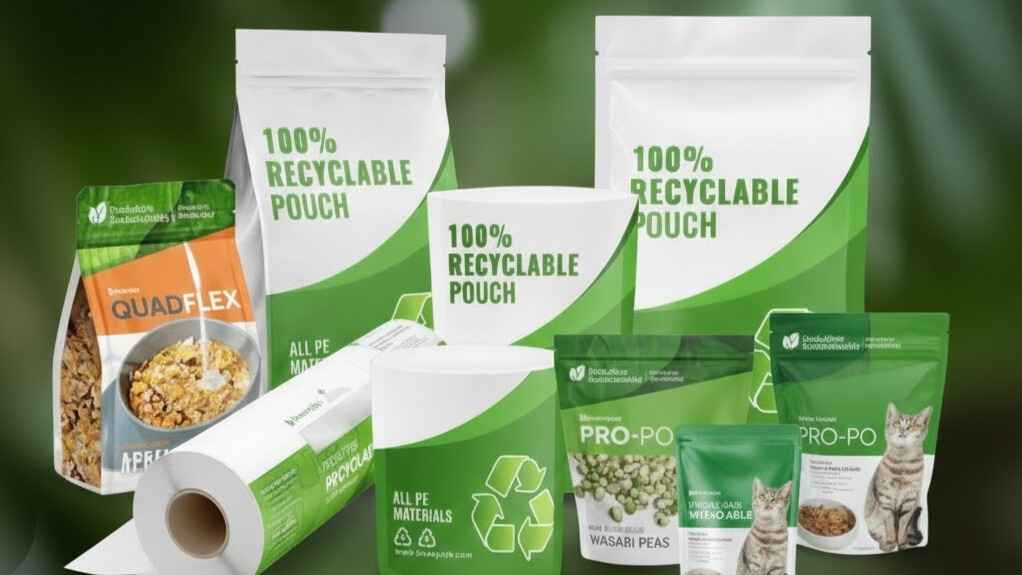
Consumers are more aware of sustainability than ever before. Many now consider packaging when making purchasing decisions.
In international markets, shoppers increasingly prefer brands that use recyclable packaging. Packaging is often seen as a reflection of a company’s values.
Recyclable flexible packaging helps brands meet consumer expectations while maintaining product safety and convenience. It offers a balance between environmental responsibility and functional performance.
This shift in consumer behavior makes recyclable flexible packaging an important tool for building trust and long term brand loyalty.
In the past, recyclable flexible packaging was more expensive and offered lower barrier performance compared to conventional flexible packaging. This made many companies hesitant to adopt it.
This situation is changing quickly. The cost of recyclable flexible packaging is going down and is now very close to conventional flexible packaging. At the same time, barrier performance is improving.
Modern recyclable flexible packaging can now meet around 99 percent of barrier requirements. This includes protection against moisture, oxygen, and contamination for most products.
These improvements make recyclable flexible packaging a realistic option for international markets without major cost or performance trade offs.
International supply chains involve long transportation times and multiple handling stages. Packaging must protect products throughout this journey.
Recyclable flexible packaging provides strong protection using advanced mono material films. These films offer reliable barriers while remaining recyclable.
By reducing exposure to moisture and air, recyclable flexible packaging helps extend shelf life. This is especially important for food and personal care products shipped internationally.
Better protection reduces product damage, returns, and waste. This improves overall supply chain efficiency.
Currently we are using EVOH, PVA, ALOX, SIOX, Metalized coating to increase the barrier function. In 99% of the cases, the recyclable barrier can be the same as the convnetional materials. Which means only extreme barrier requirement will need conventional material while it is all ok to use recyclable material.
Sustainability has become a key factor in brand positioning. International retailers and distributors often prefer suppliers with recyclable packaging.
Using recyclable flexible packaging sends a clear message that a brand understands global sustainability challenges. This improves brand credibility and market acceptance.
Brands that adopt recyclable flexible packaging can differentiate themselves in competitive international markets and strengthen long term relationships with partners.
For the end users, more and more people are notice the importance of sustainability, so they are willing to choose recyclable packaging, even though it might pay a little bit more.
Recyclable flexible packaging offers clear benefits for companies in international markets. Compared to conventional flexible packaging, it uses mono material structures that are easier to recycle and reduce environmental impact. These designs support compliance with international packaging regulations and lower regulatory risks.
The cost of recyclable flexible packaging is now close to conventional options, while barrier performance has improved and can meet about 99 percent of protection requirements. This ensures strong product safety during global distribution.
By adopting recyclable flexible packaging, brands strengthen their sustainability profile, improve market acceptance, and future proof their packaging strategies in global trade.
One major advantage of recyclable flexible packaging is its compatibility with existing recycling systems.
Mono material PE and PP packaging is easier to collect and process than laminated structures. This improves recycling efficiency and material recovery.
As recycling infrastructure continues to improve worldwide, recyclable flexible packaging becomes even more effective and widely accepted.
Recyclable flexible packaging is now used across many industries, including food, beverages, personal care, and household products.
International retailers are increasingly asking suppliers to use recyclable packaging. Many have clear sustainability targets linked to packaging materials. This acceptance shows that recyclable flexible packaging is becoming a standard requirement in international markets rather than a niche solution.
Different regions have different packaging regulations. Recyclable flexible packaging helps meet these varying requirements with one solution.
Many importing countries inspect packaging materials closely. Using recyclable packaging reduces inspection delays and documentation issues.
This consistency allows companies to serve multiple markets without frequent packaging redesigns.
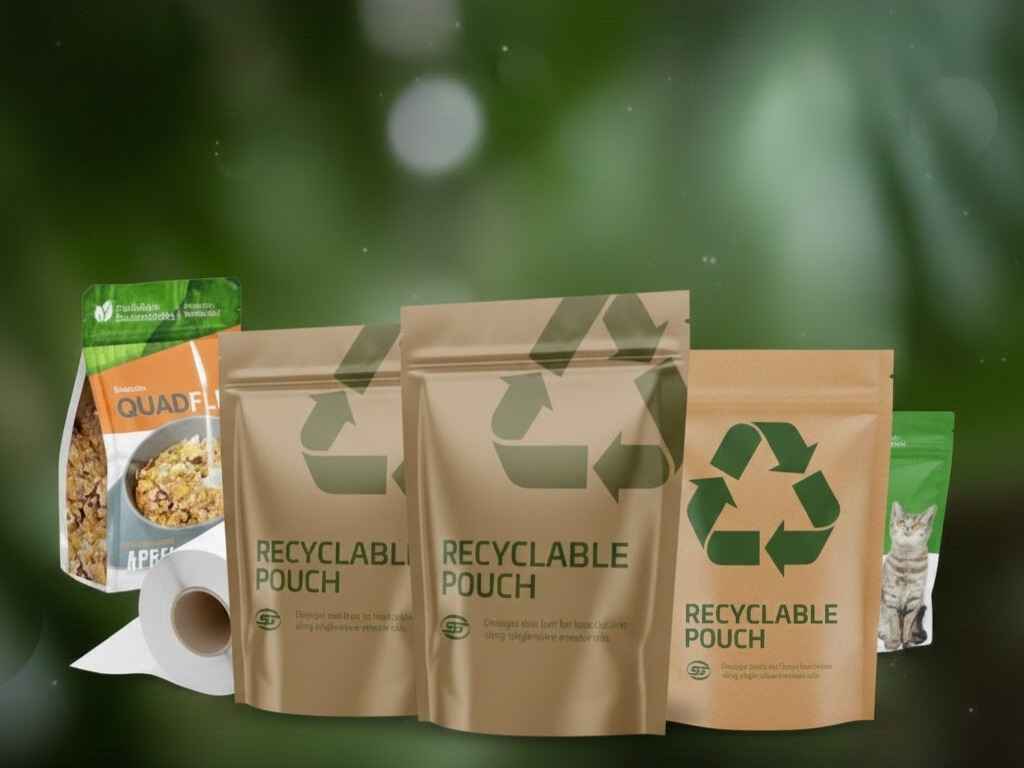
Material science has improved recyclable flexible packaging performance significantly.
Manufacturers now produce advanced mono material films that offer strength, clarity, and high barrier protection. These innovations allow recyclable flexible packaging to replace conventional laminated structures in most applications.
It is very difficult for bag making in the future, but right now recyclable packaging can make all the bags types of conventional materials make.
And the same as barrier function too.
Recyclable flexible packaging offers operational benefits throughout production and export processes.
These advantages support sustainable and efficient operations.
Large international retailers are setting clear sustainability requirements for their suppliers. Packaging is often one of the first areas they review when considering new products.
Conventional flexible packaging, which uses laminated film layers that are difficult to recycle, is increasingly seen as a risk. In contrast, recyclable flexible packaging based on mono material structures helps brands meet retailer sustainability expectations more easily.
Using recyclable flexible packaging improves product acceptance and strengthens relationships with retailers and distributors. Many distributors now prefer brands that align with their environmental goals, making recyclable flexible packaging a competitive requirement rather than a simple preference in international markets.
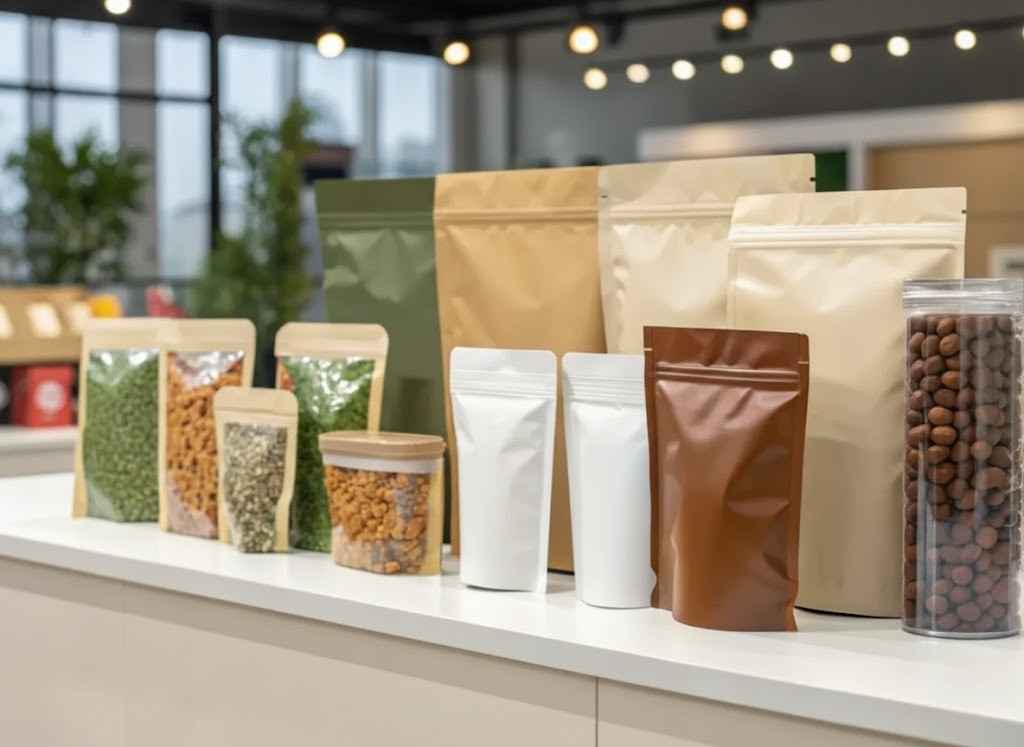
Efficient supply chain management is critical for companies operating globally. Packaging plays an important role in storage, handling, and transportation performance.
Recyclable flexible packaging maintains the core advantages of flexible packaging while improving sustainability through mono material PE and PP structures. These designs help companies simplify logistics and improve overall efficiency.
Key supply chain and storage advantages of recyclable flexible packaging include:
By using recyclable flexible packaging, companies can lower operational costs, reduce complexity in their supply chains, and ensure smoother product movement across international markets.
Many global companies have publicly stated sustainability commitments. Packaging plays a major role in achieving these goals.
Recyclable flexible packaging helps reduce non recyclable waste created by conventional laminated structures. Mono material designs support responsible material use and recycling system compatibility.
Adopting recyclable flexible packaging allows companies to clearly demonstrate progress toward environmental targets. This transparency builds trust with investors, partners, and stakeholders while strengthening long term corporate credibility in international markets.
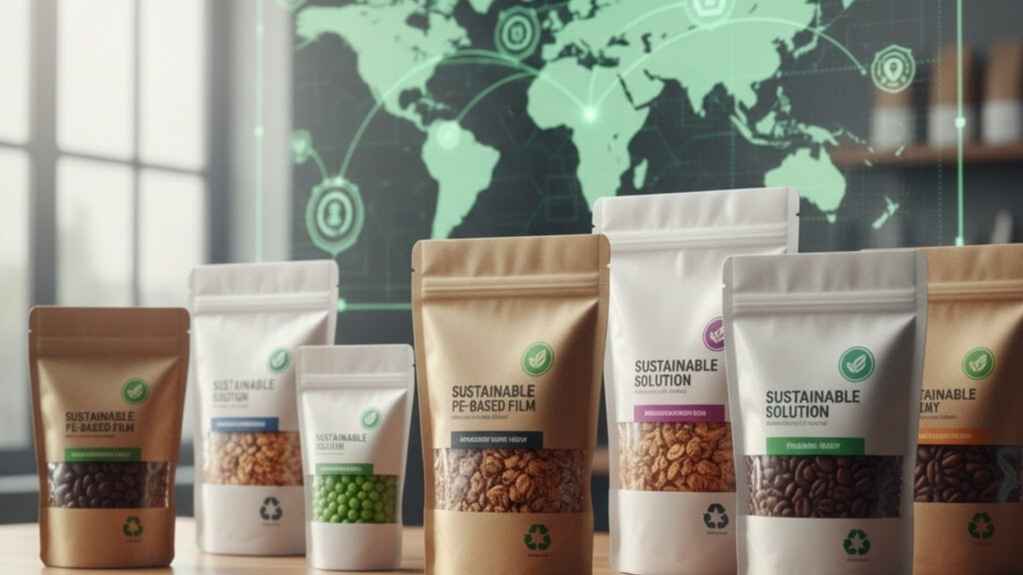
International markets are steadily shifting toward sustainable business models. Packaging is now viewed as a key part of environmental responsibility rather than just a functional requirement.
Governments, global brands, and consumers are shaping expectations around recyclability and waste reduction. This has increased demand for recyclable flexible packaging that works with existing and future recycling systems.
Key market trends supporting recyclable flexible packaging include:
These trends show that recyclable flexible packaging is not a temporary solution. It is becoming a long term market requirement that will continue to influence packaging decisions in international trade. Companies that adopt recyclable flexible packaging early are better positioned to remain competitive, compliant and relevant in global markets.
Recyclable flexible packaging has become an essential requirement in international markets. Compared to conventional flexible packaging, it offers a clear environmental advantage by using mono material structures that support recycling systems.The gap in cost and performance has narrowed significantly. Recyclable flexible packaging is now similar in cost to conventional options and can meet around 99 percent of barrier requirements. This makes it suitable for most international applications.
Global regulations, consumer expectations, and retailer requirements are all moving toward sustainability. Recyclable flexible packaging helps businesses meet these demands while maintaining product protection and operational efficiency.By adopting recyclable flexible packaging, companies strengthen their brand reputation, reduce regulatory risks and prepare for long term global growth. It is no longer just a packaging choice but a strategic investment in the future of international trade.
Longdapac is one of the leading recyclable pouches manufacturers in China, the bag making technology is very mature and basically it can make all the bags that used to made by conventional materials. And the barrier function are very similar to conventional materials. At the time when more and more customers pay attention to sustainability, recyclable packaging will eventually take all the markets.
Answer: Recyclable flexible packaging uses mono material structures, mainly PE or PP, that can be collected and recycled more easily than laminated conventional flexible packaging.
Answer: Conventional flexible packaging uses multiple laminated layers that are difficult to recycle. Recyclable flexible packaging avoids these structures and supports recycling systems.
Answer: It used to be higher in cost, but prices are now very similar to conventional flexible packaging due to material and technology improvements.
Answer: Yes, modern recyclable flexible packaging can meet about 99 percent of barrier requirements for food and non food products.
Answer: More than 90 percent uses mono material PE, while around 10 percent uses mono material PP. Normally PP is good for small packed weight of less than 1kg, while PE can be from 1g to 25kgs.