
In recent years, global industries have experienced a major shift in the way packaging materials are designed and used. Governments and organizations are placing a strong focus on environmental protection, resource efficiency and long term sustainability goals. This change is mainly driven by increasing waste levels, rising pollution concerns and the need for more responsible industrial practices. As a result, recyclable flexible packaging systems are gaining significant attention across multiple sectors.
Recyclable flexible packaging systems are designed to reduce material waste and improve the reuse of resources within production cycles. These systems allow materials to be processed again instead of being permanently discarded, which helps reduce environmental pressure. Industries are adopting these solutions to meet regulatory requirements, improve efficiency and support sustainable development. This shift is also helping companies align with global environmental expectations.
In this blog, we will explain the major reasons why recyclable flexible packaging systems are being promoted by governments and industries worldwide. We will also cover environmental concerns, policy support, industrial efficiency, technological advancements and consumer demand.
Environmental protection has become a major priority for governments and industries around the world. Rising pollution levels and increasing waste accumulation have created serious challenges for natural ecosystems. This situation has pushed organizations to reconsider traditional packaging methods and adopt more responsible options that reduce harm to the environment.
Recyclable flexible packaging plays an important role in addressing these concerns because it helps reduce long term waste generation. Instead of relying on materials that remain in the environment for decades, industries are now moving toward packaging that can be reused or processed again. This approach reduces pressure on landfills and supports cleaner and healthier surroundings.
Governments are also introducing strict environmental regulations to control industrial waste production. These policies encourage companies to use recyclable materials and follow environmentally friendly production methods. As a result, environmental protection has become one of the strongest driving forces behind this global transition.
Industries are increasingly focusing on sustainable production systems that reduce resource consumption and improve efficiency. This shift is driven by the need to balance industrial growth with environmental responsibility. Recyclable flexible packaging systems support these goals by offering materials that can be reused within production cycles.
Many companies are now redesigning their packaging strategies to reduce reliance on virgin materials. This helps lower production costs while also supporting environmental sustainability. Industries are also improving supply chain systems to ensure better material recovery and reuse.
Sustainability has become a key requirement in modern industrial operations. Companies that fail to adopt eco-friendly practices may face regulatory challenges and reduced market competitiveness. Therefore, recyclable packaging is now considered an essential part of industrial development strategies.
Governments across the world are actively promoting recyclable packaging systems through strict regulations and environmental policies. These rules are designed to reduce pollution and encourage responsible production practices. Industries are required to follow guidelines related to waste reduction and material usage.
Compliance with these regulations has become essential for companies operating in competitive markets. Organizations that do not meet environmental standards may face penalties or restrictions. This has encouraged industries to adopt recyclable flexible packaging solutions at a faster pace.
In addition, many governments are offering incentives and support programs to promote eco-friendly innovations. These initiatives help industries invest in sustainable technologies and improve their packaging systems. Policy support is therefore a major factor driving global adoption.
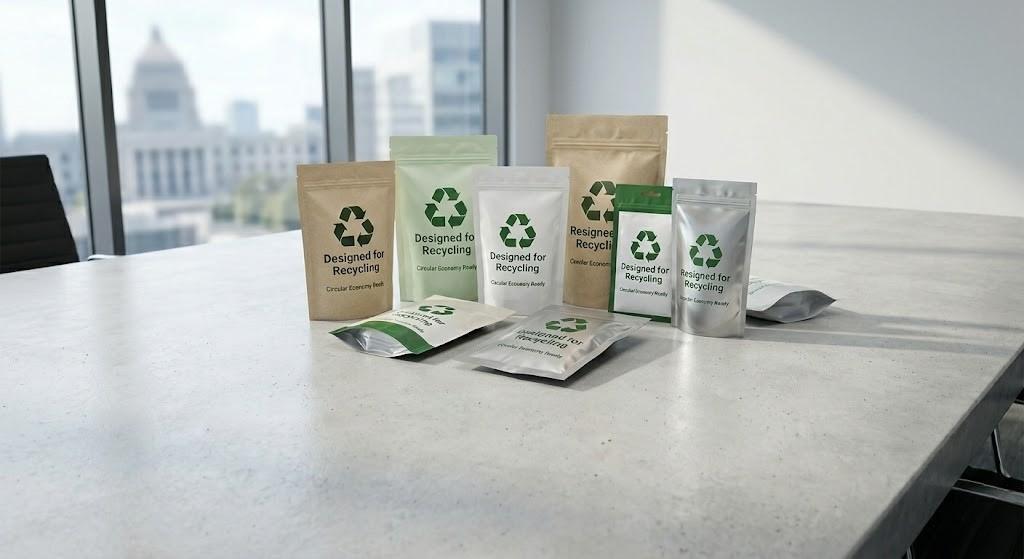
Waste management has become a major challenge in many areas, including cities and industrial zones. Large amounts of packaging waste often end up in landfills, causing long term environmental damage. This situation puts pressure on waste management systems and increases operational costs for authorities.
Recyclable flexible packaging helps reduce this burden by allowing materials to be collected and reused efficiently. Instead of being permanently discarded, packaging materials can be processed again and used in production cycles. This significantly reduces waste accumulation.
It also improves the efficiency of recycling systems by making material recovery easier and more effective. As a result, recyclable packaging is becoming an important solution for modern waste management challenges faced by many countries.
Recycling infrastructure has developed rapidly in many countries as demand for sustainable packaging continues to grow. Governments and private sectors are investing in modern facilities that can handle recyclable flexible materials more efficiently. This improvement is making large scale recycling more practical and reliable for industries.
Key points include:
These developments help industries manage packaging waste more effectively and ensure that recyclable materials can be reused in production systems without unnecessary loss. The continuous expansion of recycling infrastructure is strengthening the foundation for sustainable packaging systems. It is also encouraging more companies to shift towards recyclable flexible materials as a standard practice.
Modern technology has greatly improved the development of recyclable flexible packaging systems. Advanced material science has introduced stronger, lighter and more durable recyclable options that maintain high performance standards.
New manufacturing techniques enable industries to produce packaging that is efficient and environmentally friendly. These innovations ensure that recyclable materials can be used without reducing quality or safety requirements.
Continuous research and development is further improving recycling processes. This makes it easier to recover materials and reuse them effectively in production cycles. Technology plays an important role in expanding the use of recyclable packaging systems.
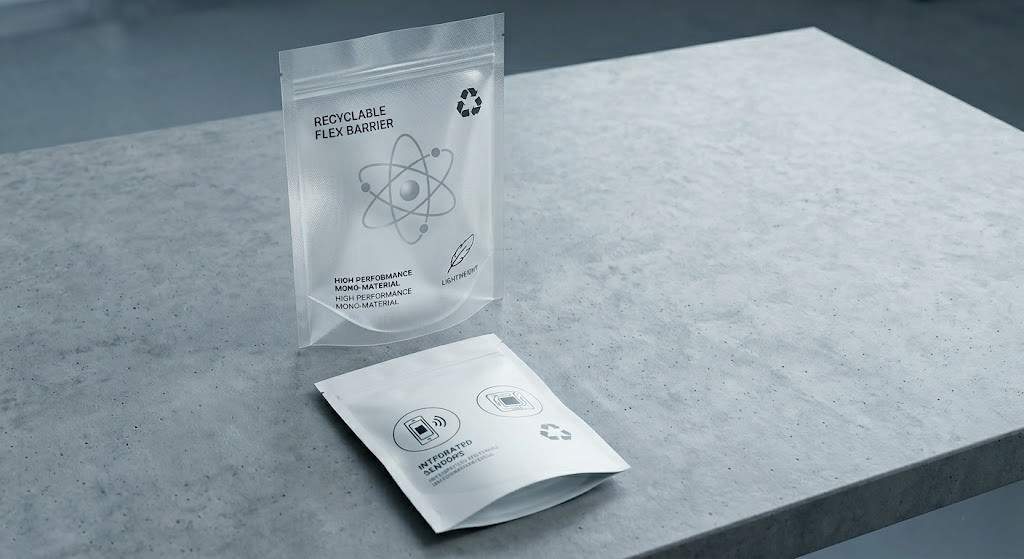
Industries are using recyclable flexible packaging systems to improve efficiency and lower operational costs. The use of recyclable materials helps companies reduce reliance on expensive raw materials. This creates more balanced and cost effective production processes.
Manufacturers are also adding recycling systems into their supply chains to improve the use of materials. This helps in better resource management and reduces unnecessary production waste. It also supports long term stability in operations. Lightweight recyclable packaging further improves storage and transportation efficiency. It reduces logistics costs and strengthens overall supply chain performance. As a result, industries gain financial as well as operational benefits from this shift.
Global competition is encouraging industries to adopt innovative and sustainable packaging solutions. Companies are continuously seeking ways to improve efficiency and reduce environmental impact.
Recyclable flexible packaging systems provide a competitive advantage by combining sustainability with performance. This enables industries to meet regulatory requirements and market expectations. Pressure for innovation is also encouraging companies to invest in advanced packaging technologies. This supports long term growth and helps them maintain a strong position in global markets.
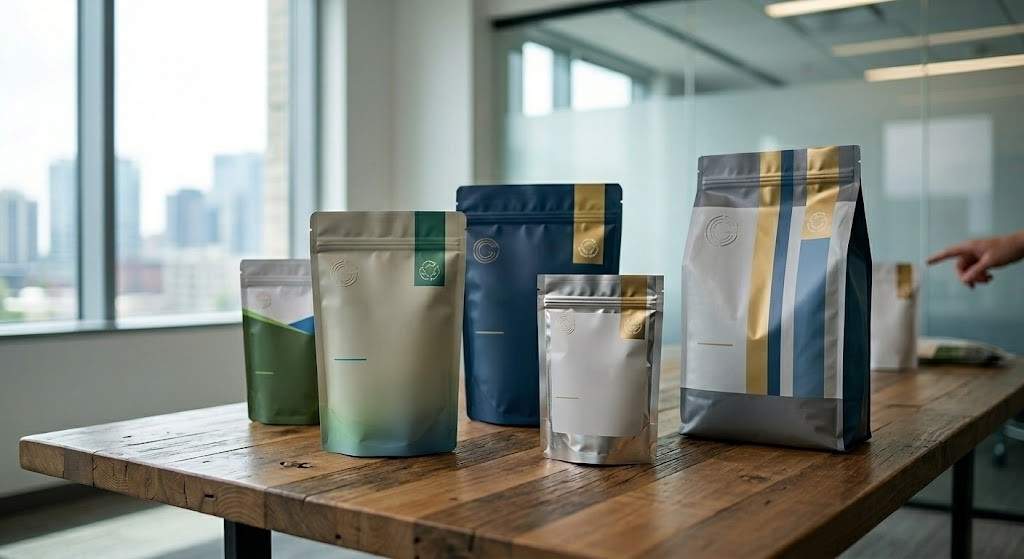
Consumer awareness of environmental issues has increased significantly in recent years. People are now more conscious of the environmental impact of the products they use and prefer sustainable packaging options.
This change in consumer behavior is directly influencing industry decisions. Companies are adopting recyclable packaging systems to meet customer expectations and improve their brand reputation. Sustainable packaging has become an important factor in purchasing decisions.
Brands that use eco-friendly packaging solutions often gain a competitive advantage in the market. They are seen as more responsible and environmentally conscious, which helps build stronger customer trust and loyalty.
Material recovery systems have improved significantly in recent years, making recyclable packaging more effective. Advanced sorting and processing technologies enable better separation of recyclable materials from waste streams.
This improvement increases recycling efficiency and reduces contamination levels. As a result, more materials can be successfully reused in production systems, supporting circular economy models.
Industries benefit from these systems because they ensure a consistent supply of reusable materials. This reduces dependence on new raw resources and supports long term sustainability goals.
Corporate environmental responsibility has become an important focus for modern businesses. Companies are increasingly expected to reduce their environmental impact and adopt sustainable practices in their operations. Recyclable flexible packaging plays an important role in achieving these goals.
Organizations are now integrating environmental targets into their business strategies. These targets help reduce waste generation and improve overall sustainability performance. Many industries are also adopting internal policies to ensure responsible use of materials.
Businesses are also improving transparency by sharing environmental performance reports. This helps build trust with stakeholders and encourages continuous improvement in sustainable practices across different sectors.
Lightweight material engineering has significantly improved packaging design and performance. Engineers are developing new materials that provide strength while reducing overall weight and material consumption. This helps industries achieve both efficiency and sustainability goals.
Key improvements include:
These innovations enable industries to produce packaging that meets modern performance standards while reducing environmental impact.
In addition, lightweight materials help lower transportation costs and energy consumption. This makes the entire supply chain more efficient and environmentally responsible.
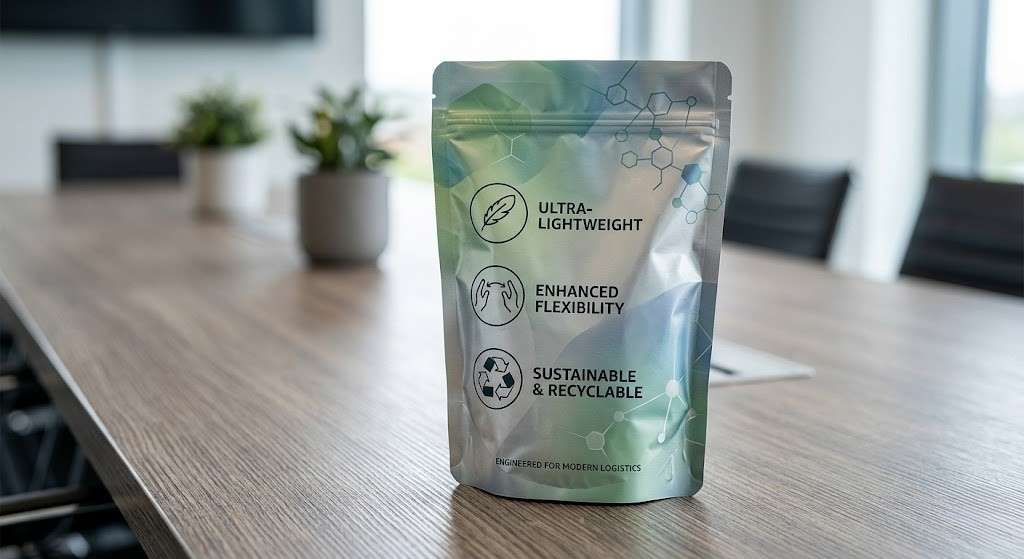
Recyclable flexible packaging systems are becoming an important solution for reducing environmental impact while improving industrial efficiency. Governments are encouraging the use of these systems through regulations and sustainability targets, while industries are adopting them to control costs and minimize waste. These packaging solutions support better use of resources and strengthen recycling processes that keep materials in continuous circulation. With ongoing technological improvements, stronger policy support, and rising consumer awareness, the demand for such packaging is increasing quickly. This transition is contributing to a more sustainable and responsible production system for the future.
Longdapc has been in recyclable package since 2020, the reason for this product is the government laws from other countries, and we can see that the governments are focus more on sustainable packaging.
Answer: Recyclable flexible packaging systems are modern packaging solutions designed to reduce waste and support material reuse in industrial processes. These systems are made from materials that can be collected, processed and reused instead of being discarded after a single use. They are widely used across different industries to improve efficiency and reduce environmental impact. Their flexible structure allows easy handling, storage and transportation. They also reduce overall packaging weight, which enhances logistics performance. Many industries prefer them because they support long term sustainability goals. Governments also promote their use to help control environmental pollution. These systems play an important role in encouraging responsible production practices. Continuous technological advancements are further improving their performance and efficiency.
Answer: Governments are promoting recyclable flexible packaging systems to reduce environmental pollution and improve waste management efficiency. Traditional packaging materials often create long lasting waste problems that damage ecosystems and increase pressure on landfills. To address this issue, governments are introducing strict regulations and sustainability policies. These systems reduce dependence on non recyclable materials and support circular economy models. They also help lower carbon emissions during production and disposal processes. Many countries encourage industries to adopt eco-friendly packaging through incentives and guidelines. This approach supports long term environmental protection and resource conservation. Governments also work to increase public awareness about sustainable consumption. Ultimately, this promotion is part of global environmental protection strategies.
Answer: Recyclable flexible packaging systems provide several benefits to industries, especially in terms of cost efficiency and operational performance. These systems reduce the need for raw materials, which helps lower production costs over time. They also improve supply chain efficiency by reducing packaging weight and transportation expenses. Industries can reuse materials multiple times, which supports better resource management. These systems also help companies comply with environmental regulations and avoid penalties. By adopting sustainable packaging, businesses improve their brand image and market reputation. They also gain a competitive advantage in markets where consumers prefer eco-friendly products. In addition, these systems significantly reduce waste disposal costs. Overall, industries benefit both economically and operationally.
Answer: Technology plays a very important role in the development and improvement of recyclable flexible packaging systems. Advanced material science has made it possible to create stronger and more durable recyclable materials. Modern production techniques allow manufacturers to design lightweight packaging without compromising quality. Automation and digital systems improve recycling efficiency by sorting and processing materials more accurately. Research in polymer engineering has also enhanced the recyclability of packaging components. These innovations help reduce energy consumption during production and recycling stages. Technology also supports better tracking of materials throughout the supply chain. This ensures transparency and improved resource management. Continuous innovation is making recyclable packaging more effective and widely usable.
Answer: The future of recyclable flexible packaging systems looks very promising as global demand for sustainable solutions continues to rise. Industries are increasingly shifting toward eco-friendly materials due to environmental concerns and regulatory pressure. Governments are expected to introduce even stricter policies to promote recycling and waste reduction. Technological advancements will further improve material strength, flexibility and recyclability. Consumer awareness will also play a major role in shaping future demand for sustainable packaging. Companies will continue to invest in innovative packaging solutions to remain competitive in the market. Recycling infrastructure is expected to expand, making material recovery more efficient. Supply chains will become more integrated with circular economy systems. This will reduce dependence on non renewable resources.