
Many companies are now shifting away from traditional packaging systems and adopting more efficient alternatives. Flexible recyclable materials are lightweight, easy to handle and designed to reduce long term waste. This makes them a practical option for large scale production and distribution systems.
Recyclable Pouches is becoming an effective and important solution for reducing environmental pressure in modern industries. It helps businesses use fewer raw materials while still ensuring strong and reliable protection for products during storage and transportation. This shift is especially important because global waste levels are continuously increasing, so industries need smarter and more sustainable ways to manage resources efficiently and reduce environmental impact over time.
In this blog, we will guide you through how recyclable flexible packaging is shaping the future of sustainable packaging worldwide. We will also explore its evolution, material innovation, environmental benefits, industrial adoption, cost efficiency and future trends.
Longdapac is one of the leading flexible pouches manufacturers in China. Currently the demand for the recyclable packaging is increasing dramatically, and this also provode that more and more customers are choosing sustainable packagings.
Recyclable materials are helping industries move toward more responsible production systems. These materials reduce dependency on new raw resources and support improved environmental management practices. They also assist companies in achieving their sustainability targets more effectively by promoting smarter resource use.
Businesses benefit from recyclable materials because they help maintain product safety while also reducing environmental impact. This balance is especially important for industries that handle large production volumes and require consistent quality standards to ensure reliable performance across all operations.
The use of recyclable materials is also transforming supply chain systems. Companies are now redesigning their processes to include more efficient and environmentally friendly packaging solutions, which improves overall sustainability and operational efficiency.
Lightweight packaging solutions are becoming more important in global trade and distribution systems. Businesses are continuously searching for methods to reduce transportation costs and improve overall operational efficiency. This demand has supported the development of packaging materials that are both durable and lightweight.
Recyclable flexible packaging is a key solution in meeting this demand because it uses less material compared to traditional packaging formats. Its lower weight helps reduce fuel consumption during transportation, which directly decreases operational costs and environmental emissions. This makes it an efficient option for modern supply chain systems.
In addition to transportation advantages, lightweight packaging also enhances storage efficiency. It allows companies to store larger product volumes in limited space, which supports better warehouse management. This benefit is especially valuable for industries that handle high production and large scale distribution.
Recyclable flexible packaging offers strong environmental benefits by reducing waste and supporting better resource efficiency. It helps industries lower their overall environmental impact.
Main benefits include:
These advantages help industries support global sustainability goals. Flexible packaging contributes to long term environmental protection by reducing unnecessary material waste.
It also promotes a circular system where materials are reused instead of being permanently discarded.
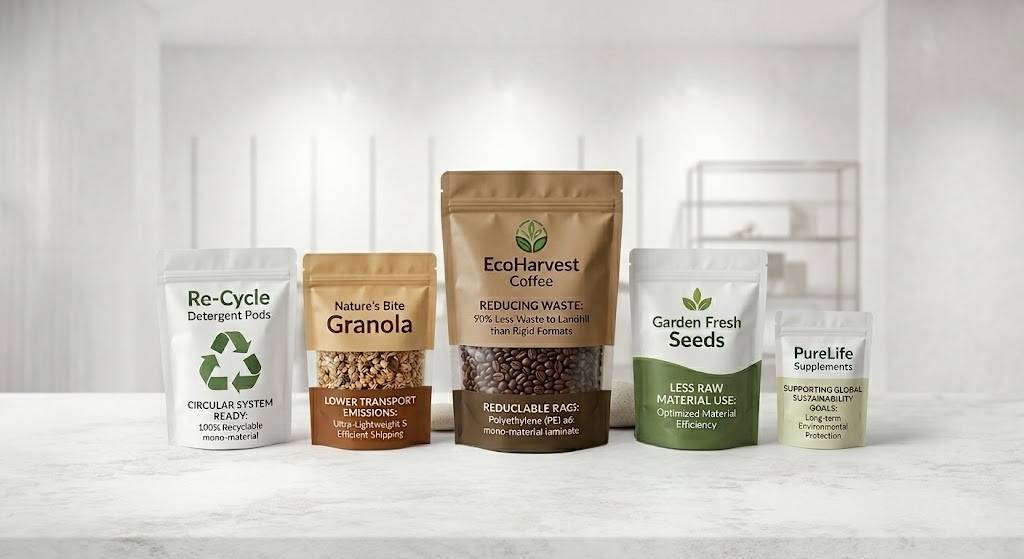
Recyclable flexible packaging plays an important role in improving global supply chain performance. Its lightweight structure helps reduce transportation costs and enables companies to move products more efficiently across different regions. This has a direct impact on logistics performance and operational planning.
Companies that use flexible packaging benefit from better space utilization during shipping and storage. Since the material occupies less space, more products can be transported in a single shipment. This reduces the number of trips needed and improves overall supply chain efficiency. It also supports more efficient warehouse operations by lowering storage requirements. Businesses can organize inventory in a better way and manage stock levels with greater ease. This leads to smoother and more cost effective supply chain systems.
Industries across the world are increasingly adopting recyclable flexible packaging due to its practical and environmental benefits. The food and beverage sector is among the earliest adopters because of its high packaging demand and strict safety requirements.
Healthcare and personal care industries are also rapidly integrating flexible packaging solutions into their systems. These sectors require packaging that ensures product safety while also meeting sustainability standards. Flexible packaging offers a suitable balance between these requirements. Retail and e-commerce industries are expanding their use of recyclable packaging due to cost savings and increasing environmental awareness. This widespread adoption is driving global market growth and encouraging further innovation in packaging technologies.
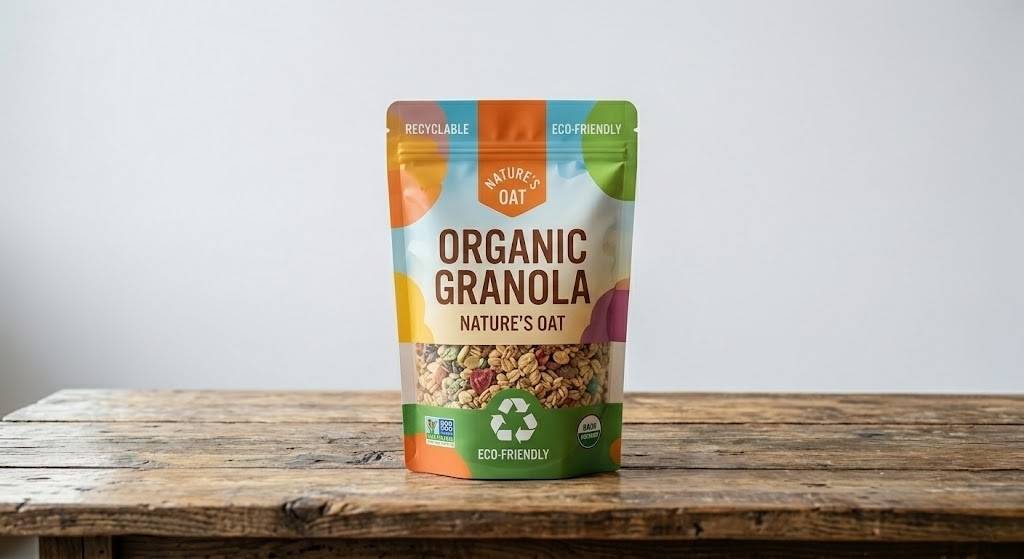
Recyclable flexible packaging provides strong financial benefits for businesses of different sizes. One key advantage is lower material cost because less raw material is required in production. This helps companies manage their expenses in a more efficient way.
Transportation costs are also reduced due to the lightweight nature of flexible packaging. Lower weight leads to less fuel consumption, which directly improves profit margins for companies involved in large scale distribution.
In addition, businesses gain better storage efficiency. Flexible packaging uses space more effectively in warehouses, which reduces storage costs and improves overall organization across supply chain operations.
Material technology has significantly improved the performance of recyclable flexible packaging. Researchers and manufacturers are developing new materials that provide both strength and recyclability. These innovations are helping industries achieve better environmental and functional outcomes.
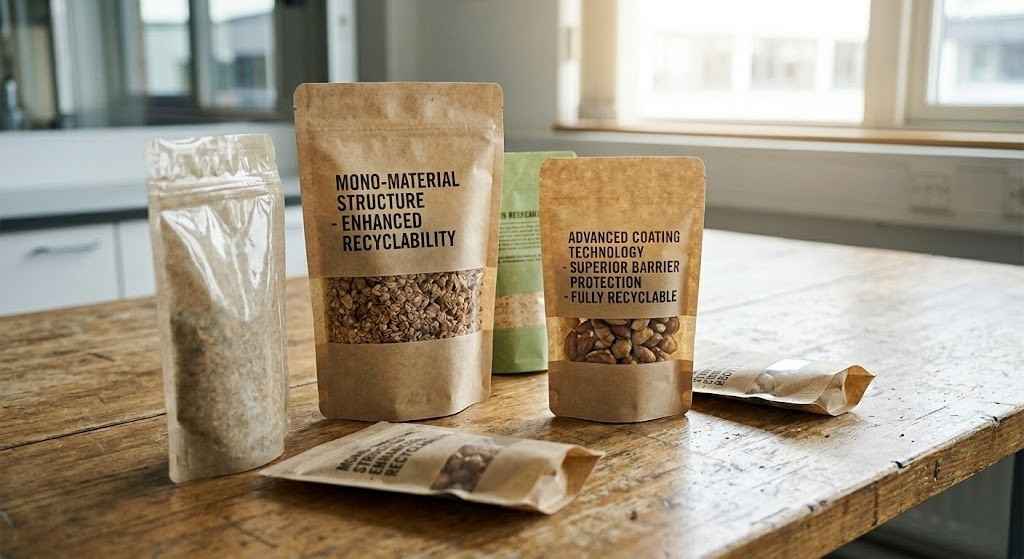
One major development in this field is the creation of mono-material structures. These structures simplify the recycling process because they do not require complex separation of layers. This makes recycling more efficient and more cost effective for industries.
Advanced coating technologies are also improving the durability and barrier protection of flexible packaging. These coatings help protect products from moisture, air and contamination and still maintain recyclability. This combination of strength and sustainability is driving wider adoption across different industries.
Consumer behavior is playing an essential role in shaping packaging trends worldwide. People are becoming more aware of environmental concerns and are actively choosing products that use sustainable packaging solutions. This change in preference is influencing market demand.
Companies are now adjusting their packaging strategies to meet consumer expectations. Brands that use recyclable and eco friendly packaging are gaining stronger trust and better market positioning. This has made sustainability an essential part of brand identity.
As consumer awareness continues to grow, demand for recyclable flexible packaging is expected to increase further. This trend is encouraging industries to invest more in sustainable packaging technologies and innovation.
Governments and international organizations are introducing stricter regulations to control packaging waste and promote environmental safety. These regulations are encouraging industries to adopt recyclable and sustainable packaging materials at a faster rate.
Companies are now required to follow guidelines that limit non recyclable waste and improve recycling efficiency. This has increased the demand for flexible packaging solutions that meet global environmental standards while maintaining product quality. Meeting these regulations is not only a legal requirement but also a competitive advantage. Businesses that meet sustainability standards are gaining better market access and stronger international partnerships.
The future of sustainable packaging is strongly connected to the development of recyclable flexible materials. Governments and industries are working together to reduce environmental waste and promote circular economy systems. This collaboration is expected to bring long term changes in packaging practices.
Advancements in recycling technology will further improve the efficiency and quality of flexible packaging systems. These improvements will make recycling more accessible and more cost effective for industries across the world.
Over time, recyclable flexible packaging is expected to become a standard solution in global packaging systems. Its combination of efficiency, sustainability and cost effectiveness will continue to support its widespread adoption in the future.
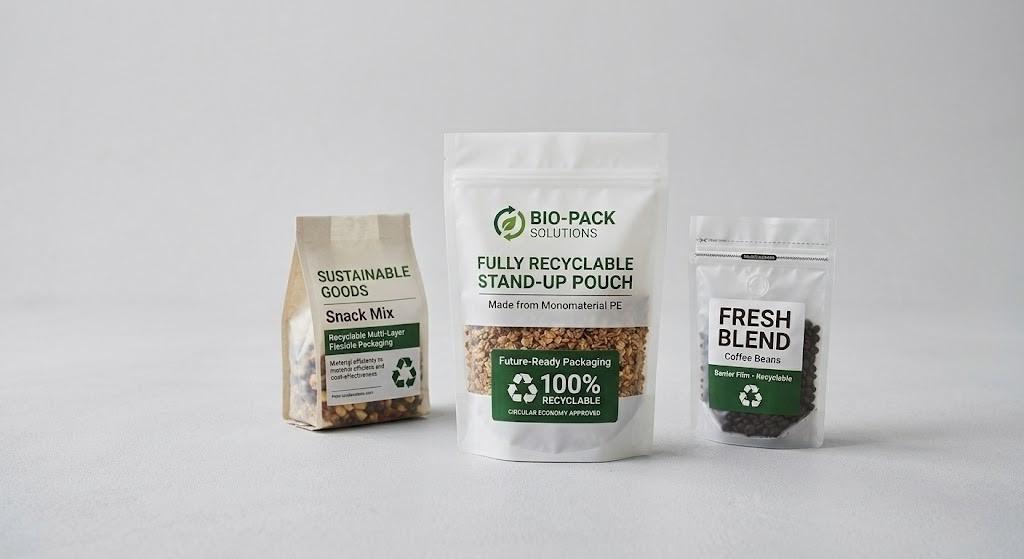
Recyclable flexible packaging is emerging as a key direction for the future of global packaging systems. It helps industries reduce waste, conserve resources, and improve overall efficiency without affecting product safety. With ongoing advancements in technology, this packaging type will play a greater role in developing sustainable production and distribution systems across different sectors.
In the coming years, more companies are expected to adopt recyclable flexible solutions as environmental standards become stricter and consumer expectations continue to rise. This shift will support the development of a cleaner, more efficient and more responsible packaging industry worldwide, where sustainability and performance work together in a balanced way.
Answer: Recyclable flexible packaging is an advanced packaging type made from materials that can be collected after use, processed through recycling systems and reused in new production cycles. It is designed to reduce environmental waste while still providing strong protection for products during storage, handling and transportation. This packaging type is becoming highly important in modern industries because businesses are under increasing pressure to reduce their environmental impact while maintaining efficiency and product safety. It helps industries move away from traditional packaging methods that create long lasting waste and supports a more responsible circular approach where materials are reused instead of being discarded. This makes it a key solution for companies aiming to balance performance, cost efficiency and environmental responsibility in today’s competitive global market.
Answer: Recyclable flexible packaging contributes significantly to environmental protection by reducing the amount of waste that ends up in landfills and natural ecosystems because its materials can be reprocessed and reused instead of being permanently discarded. It also plays an important role in lowering the demand for new raw materials, which helps preserve natural resources and reduces environmental damage caused by extraction and production processes. Its lightweight structure helps reduce fuel consumption during transportation, resulting in lower carbon emissions across supply chains. These combined benefits make it a powerful tool for supporting global sustainability goals as it enables industries to operate more efficiently and reduce their environmental footprint while contributing to cleaner and more responsible production systems worldwide.
Answer: Recyclable flexible packaging is widely used across multiple industries that need efficient, safe and cost effective packaging solutions for large scale operations. The consumer goods industry is one of the largest users because it depends on high volume packaging that is lightweight, durable and easy to transport. Healthcare and personal care industries also rely on it because they require packaging that ensures product safety, hygiene and compliance with strict standards while also supporting sustainability goals. Retail and e-commerce industries are increasingly adopting this packaging type as it helps reduce shipping costs, improves logistics efficiency and supports faster delivery systems. With growing environmental awareness and stronger regulatory pressure, more industries are shifting toward recyclable flexible packaging as a long term solution for operational efficiency and environmental responsibility.
Answer: Yes, recyclable flexible packaging is highly cost effective for businesses, especially in long term operations where production, transportation and storage costs significantly impact overall profitability. It reduces material usage during manufacturing, which directly lowers production expenses compared to traditional rigid packaging options. Its lightweight design also decreases transportation costs because less fuel is required to move products through supply chains, making logistics more efficient and economical. It also improves storage capacity by allowing businesses to store larger quantities of products in less space, which reduces warehouse and handling costs. When all these financial advantages are combined, recyclable flexible packaging becomes not only an environmentally responsible choice but also a strategically smart investment for companies aiming to improve efficiency and profitability over time.
Answer: Yes, the future outlook for recyclable flexible packaging is extremely strong as global markets continue shifting toward more sustainable and environmentally responsible practices. Governments and international organizations are introducing stricter regulations on packaging waste, which is encouraging industries to adopt recyclable and eco-friendly solutions at a faster rate. At the same time, advancements in material science and recycling technologies are making flexible packaging more efficient, durable and easier to process on a large scale. Consumer awareness is also increasing rapidly, with more people preferring products that use sustainable packaging, which is pushing companies to change their strategies. As these factors continue to grow together, recyclable flexible packaging is expected to become a standard packaging solution worldwide due to its ability to combine environmental protection, cost efficiency and high performance in one system.