
Modern industries operate in a highly competitive and resource-sensitive environment where efficiency, cost control, and environmental responsibility play a key role in long-term success. Packaging is no longer seen as only a protective layer for products. It has become a strategic element that affects logistics performance, production costs, material usage and sustainability outcomes. As global demand for eco-conscious solutions continues to rise, businesses are actively seeking packaging systems that can deliver strong performance while reducing environmental impact.
Recyclable flexible packaging has become one of the most effective solutions in this transformation. It helps industries achieve improved operational efficiency by reducing material consumption and enhancing transportation performance. Its lightweight structure, flexible design and adaptability make it suitable for a wide range of applications across different sectors. Companies are increasingly adopting this solution because it supports both financial efficiency and environmental responsibility at the same time.
In this article, we will guide you through how recyclable flexible packaging is impacting modern industries from both an economic and environmental perspective. We will also explore its key benefits, including cost savings, material efficiency, logistics improvement and sustainability performance, while explaining why this packaging solution is becoming a global industrial standard.
Industrial packaging has experienced a significant transformation over the past few decades due to rising production costs, environmental concerns and technological advancements. Earlier packaging systems were mainly designed for strength and protection, often using heavier materials that increased both manufacturing expenses and transportation weight. While effective in protection, these traditional systems were less efficient in terms of resource usage and environmental impact.
Modern industries are now moving toward smarter packaging systems that balance durability with efficiency. This shift is driven by the need to reduce operational costs while improving overall sustainability performance. Businesses are focusing on packaging solutions that require fewer raw materials and generate less waste throughout their lifecycle.
At the same time, global sustainability initiatives and stricter environmental regulations are encouraging industries to adopt more responsible packaging practices. Companies that fail to adapt to these changes risk higher costs and reduced competitiveness in international markets, making this transition essential for long-term growth.
Manufacturing industries are among the primary beneficiaries of recyclable pouches due to its cost-efficient nature. One of the most significant advantages is the reduced need for raw materials during production. Using fewer materials directly lowers manufacturing costs and helps businesses allocate resources more effectively across other operational areas.
Production efficiency is also improved because flexible packaging materials are easier to process compared to rigid alternatives. This allows manufacturers to streamline production workflows and increase output without requiring major changes to existing systems. As a result, companies can achieve higher productivity levels while maintaining consistent product quality.
In addition to production savings, businesses also benefit from reduced storage and warehousing costs. Since flexible packaging is lightweight and compact, it occupies less space, allowing for better inventory management and lower storage expenses over time.
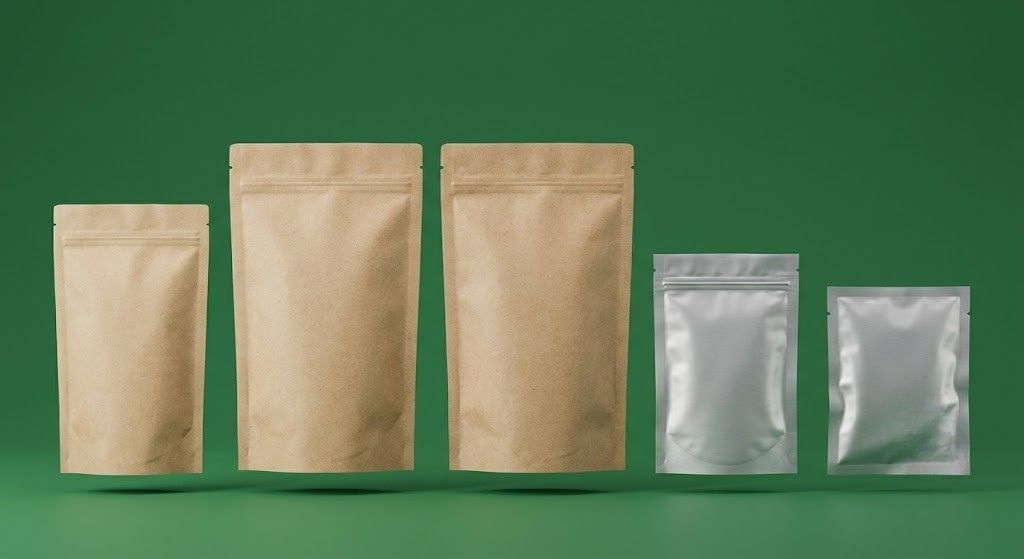
Transportation plays a crucial role in determining overall supply chain costs, and packaging directly influences transport efficiency. Recyclable flexible packaging helps reduce shipment weight, which allows companies to lower fuel consumption and transportation expenses. Lighter loads also enable vehicles to carry more products per trip, improving delivery efficiency.
Space utilization is another key advantage in transportation systems. Flexible packaging can be designed to occupy minimal space, allowing businesses to maximize loading capacity. This reduces the number of trips required for distribution and improves overall logistics performance.
These improvements not only help reduce operational costs but also contribute to environmental sustainability by lowering greenhouse gas emissions linked with transportation activities. This dual benefit makes flexible packaging highly valuable for modern logistics systems.
Sustainability has become a central focus for modern organizations as industries face increasing pressure to reduce their environmental impact. Companies are now expected to integrate eco-friendly practices into their daily operations and packaging plays a major role in achieving these goals. Recyclable flexible packaging supports these strategies by reducing material waste and improving resource efficiency across production and distribution systems.
This packaging solution helps organizations align with long-term environmental commitments while still maintaining operational performance. It also supports compliance with international sustainability standards, making it a valuable choice for globally operating businesses.
Key points include:
By integrating recyclable flexible packaging into their systems, companies can strengthen their sustainability performance while maintaining efficiency and competitiveness in modern markets.
Environmental performance is a key factor driving the adoption of recyclable flexible packaging. During manufacturing, lighter materials require less energy to process, which helps reduce overall energy consumption. This leads to lower carbon emissions and improved environmental efficiency across production facilities.
Waste generation is also minimized because modern manufacturing techniques are designed to optimize material usage. This reduces the amount of unused or discarded material produced during packaging production.
These combined benefits support global environmental goals by promoting cleaner production methods and reducing the overall ecological footprint of industrial activities.
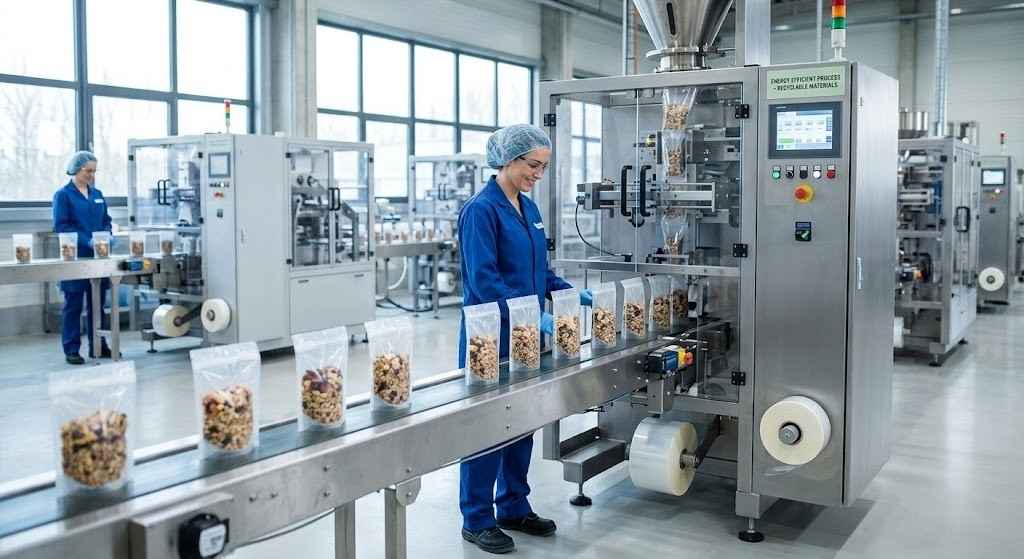
Consumer expectations have evolved significantly, with more people now preferring products that reflect environmental responsibility. Packaging has become an important factor in purchasing decisions because it represents a brand’s commitment to sustainability and responsible production practices. This shift has increased demand for recyclable packaging solutions across many industries.
Recyclable flexible packaging plays an important role in shaping positive consumer perception. It signals that a brand is actively contributing to environmental protection, which helps build trust and long-term customer loyalty.
Main factors include:
These behavioral changes are encouraging industries to adopt more sustainable packaging systems in order to remain competitive and meet modern consumer expectations.
A strong focus on environmentally responsible packaging not only improves brand reputation but also helps businesses maintain relevance in changing global markets.
Recyclable flexible packaging is widely adopted across various industries due to its efficiency and versatility. Consumer product industries rely on it to improve packaging performance while reducing environmental impact and operational costs.
Industrial manufacturing sectors also benefit from its lightweight structure, which improves logistics efficiency and reduces transportation expenses. Its adaptability makes it suitable for a wide range of product types and packaging requirements.
In addition, sectors with strict quality standards are increasingly using flexible packaging solutions to maintain product safety while aligning with sustainability goals.
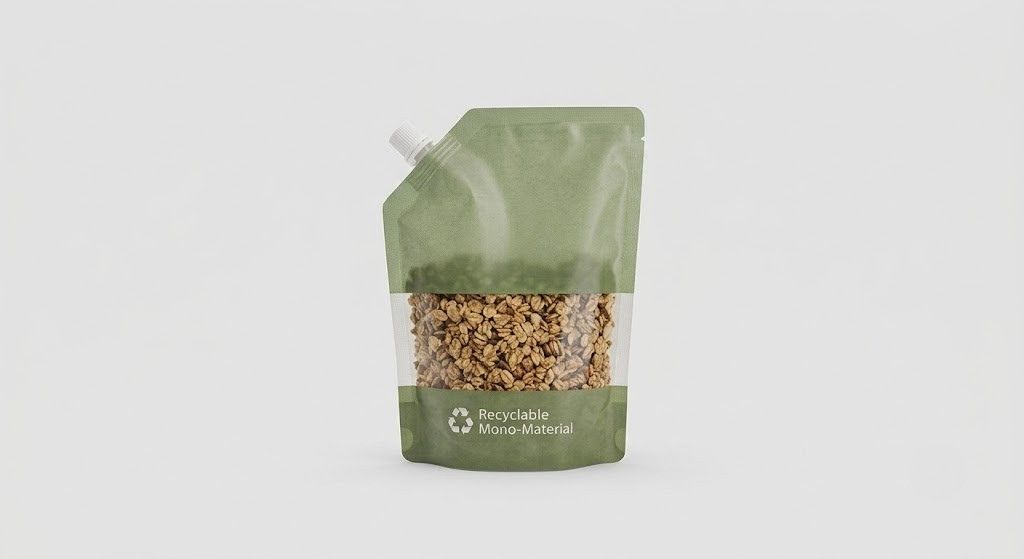
One of the most important long-term benefits of recyclable flexible packaging is its contribution to resource efficiency. By using materials that can re-enter production cycles, industries reduce reliance on new raw material extraction and promote sustainable resource use.
This approach aligns with the principles of a circular economy, where materials are reused and recycled instead of being discarded after a single use. It helps reduce environmental pressure while improving long-term industrial sustainability.
Over time, this system supports more stable resource management and reduces the environmental burden associated with continuous production cycles. Industries benefit from both cost stability and improved environmental performance.
Despite its advantages, recyclable flexible packaging still faces certain challenges. Recycling infrastructure is not equally developed across all regions, which can limit its effectiveness in some markets. Proper collection and processing systems are required to maximize its environmental benefits.
Another challenge is material standardization. Different industries may use different types of flexible materials, which can sometimes complicate recycling processes. Improving material consistency can help increase recycling efficiency.
Future development opportunities are strong in this field. Ongoing research focuses on creating more advanced recyclable materials, improving recycling technologies and expanding global infrastructure. These improvements are expected to further strengthen the role of flexible packaging in modern industries.
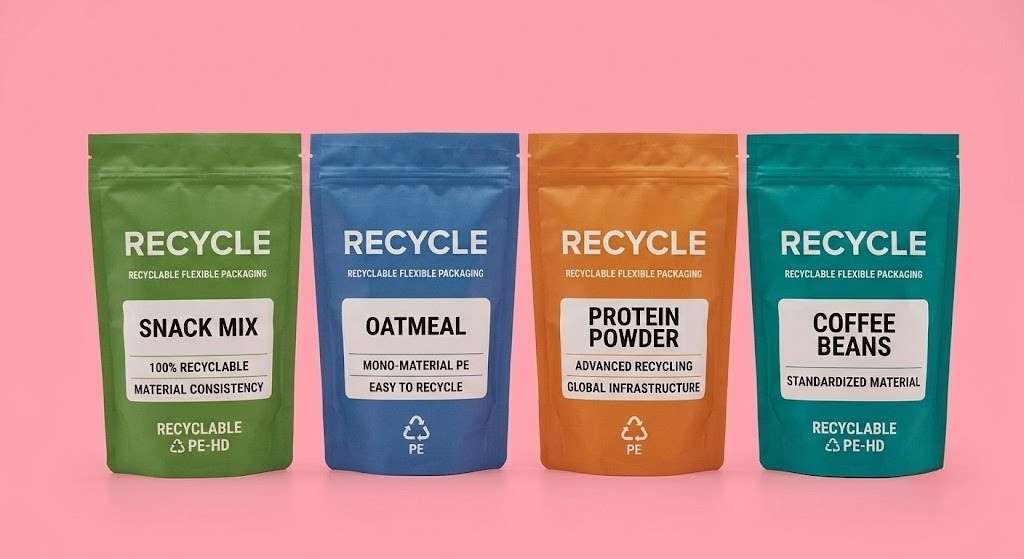
Recyclable flexible packaging has an important role in modern industries as it provides a practical balance between cost efficiency and environmental responsibility. It helps businesses use fewer materials, reduce transport expenses and improve overall supply chain performance while also supporting sustainability goals. Its lightweight and flexible structure allows companies to work more efficiently without affecting product safety or quality. As global markets continue to focus on environmental protection and cost optimization, this packaging solution is expected to become even more important. It represents a smart and forward looking approach that supports long term industrial growth, efficient use of resources and reduced environmental impact in a single system.
Longdapac, as the leading recyclable pouches manufacturer in China, we noticed there is big environmental impact on sustainable packaging and economic saving in overall cost. So we started to do recyclable packaging from 2020 and now the sales is increasing yearly.
Answer: Recyclable flexible packaging is becoming very important for modern industries because it offers a strong combination of performance, cost efficiency and environmental responsibility. Today, industries face pressure to reduce costs while also achieving sustainability targets, and this packaging solution supports both objectives effectively. It uses less raw material compared to many traditional packaging methods, which helps lower production costs without reducing product protection. Its lightweight structure also improves handling and transportation efficiency, allowing businesses to transport larger product volumes with lower fuel consumption and reduced logistics expenses. At the same time, it supports recycling systems that help reduce waste and promote responsible use of resources. These combined benefits make it a practical and future ready solution for industries aiming to improve both economic performance and environmental impact.
Answer: Recyclable flexible packaging helps reduce business costs at different stages of the supply chain, from production to storage and transportation. In manufacturing, it uses fewer raw materials, which directly lowers production expenses and allows companies to manage budgets more effectively. Its lightweight design also reduces shipping weight, leading to lower fuel consumption and decreased transportation costs, especially in large scale distribution systems. Storage efficiency is another key advantage because flexible packaging takes up less space than rigid alternatives, helping companies make better use of warehouse capacity and reduce storage costs. In addition, better packaging efficiency helps reduce product damage during transit, which decreases replacement and refund expenses. Over time, these combined benefits support a more efficient and cost effective business operation.
Answer: Recyclable flexible packaging provides important environmental benefits that support global sustainability efforts and responsible industrial practices. One key advantage is lower raw material use, which helps conserve natural resources and reduces environmental pressure caused by extraction and manufacturing processes. Its lightweight structure also reduces energy consumption during transportation, resulting in lower carbon emissions across supply chains. Many recyclable flexible packaging systems are designed to fit into recycling streams, allowing materials to be recovered and reused instead of being discarded as waste. This helps reduce landfill pressure and supports the development of a circular economy. In addition, efficient production processes used in making this packaging often generate less waste and use less energy, which further reduces its overall environmental impact throughout its lifecycle.
Answer: This packaging improves supply chain efficiency by enhancing several operational areas, including storage, transportation and product handling. Its flexible structure allows better space utilization, which means more products can be packed, stored and transported in a smaller area compared to traditional rigid packaging systems. This results in fewer shipments, faster delivery cycles and improved overall logistics performance. Its durability also ensures that products remain protected during movement, which reduces the risk of damage and minimizes losses within the supply chain. Better handling efficiency helps reduce delays during loading and unloading, making operations smoother and more consistent. These advantages help businesses maintain stable supply chain performance, improve customer satisfaction and reduce operational disruptions across different stages of distribution.
Answer: The future potential of recyclable flexible packaging is very strong as industries around the world continue shifting toward sustainable and cost efficient solutions. Growing environmental awareness, stricter government regulations, and increasing consumer demand for eco-friendly products are all encouraging faster adoption of this packaging type. Ongoing improvements in material science are expected to further enhance its strength, recyclability and performance, making it suitable for a wider range of applications. At the same time, advancements in recycling infrastructure will make it easier to collect and process used packaging materials more efficiently. In the long term, recyclable flexible packaging is likely to become a standard choice across many global industries, supporting economic growth and environmental protection while helping businesses operate in a more responsible and efficient way.