
Packaging plays an important role in protecting products, maintaining quality and ensuring efficient transportation. For many years, flexible packaging has been widely used due to its lightweight design, durability and excellent product protection. However, conventional flexible packaging often contains multiple layers made from different materials, which makes recycling more challenging and creates a need for more advanced and sustainable packaging solutions.
Recyclable flexible packaging is becoming a major advancement in modern packaging because it improves recyclability while maintaining essential packaging benefits. Made with mono-material structures such as PE-based and PP-based solutions, it reduces material complexity and supports more efficient recycling processes. It offers a balance of sustainability, product protection and high performance, making it a preferred solution for the future of packaging.
In this blog, we will guide you through how recyclable flexible packaging is changing modern packaging systems. We will also explain its structure, sustainability benefits, performance advantages and why businesses are moving toward this innovative packaging solution.
The packaging industry is experiencing a major transformation as businesses are looking for solutions that deliver strong performance while providing better environmental benefits. Traditional packaging systems have played an important role in protecting products for many years, but growing concerns about waste management and recycling challenges have increased the demand for more advanced alternatives.
Conventional flexible packaging has become widely popular because of its lightweight design, efficiency and excellent product protection. However, many traditional flexible packaging structures are made by combining different types of materials. These multi-material structures help improve packaging performance but create recycling challenges because separating different materials is often difficult.
Recyclable pouches is developed to overcome these challenges by using advanced material structures that support recycling while maintaining the key advantages of flexible packaging. This innovation represents an important step toward creating packaging solutions that meet modern environmental needs and support a more sustainable future.
The biggest difference between recyclable flexible packaging and conventional flexible packaging is their material structure. Conventional flexible packaging often uses a combination of different films, such as PET and PE, which are laminated together to provide strength, high-quality printing and barrier protection. However, these mixed-material structures are difficult to recycle because separating different materials is challenging.
Recyclable flexible packaging mainly uses mono-material structures where all layers belong to the same material family. Common solutions include PE-based and PP-based structures. These structures can still have multiple layers, but all layers are made from the same type of material, which makes them more suitable for recycling processes.
This advanced design allows recyclable flexible packaging to maintain important packaging benefits while improving recyclability. It creates a better balance between high performance and environmental responsibility, which is why many industries are increasingly adopting this solution.
One of the most important requirements of any packaging solution is its ability to protect products during storage and transportation. Packaging must prevent damage, maintain product quality and meet the growing demand for more sustainable solutions.
In the past, there were concerns about whether recyclable flexible packaging could deliver the same level of protection as conventional flexible packaging. However, continuous advancements in material science and manufacturing technologies have significantly improved its performance.
Modern recyclable flexible packaging provides strong barrier properties that help protect products from moisture, oxygen and other external factors. These improvements have made recyclable flexible packaging a reliable choice for industries that require effective product protection along with better recycling potential.
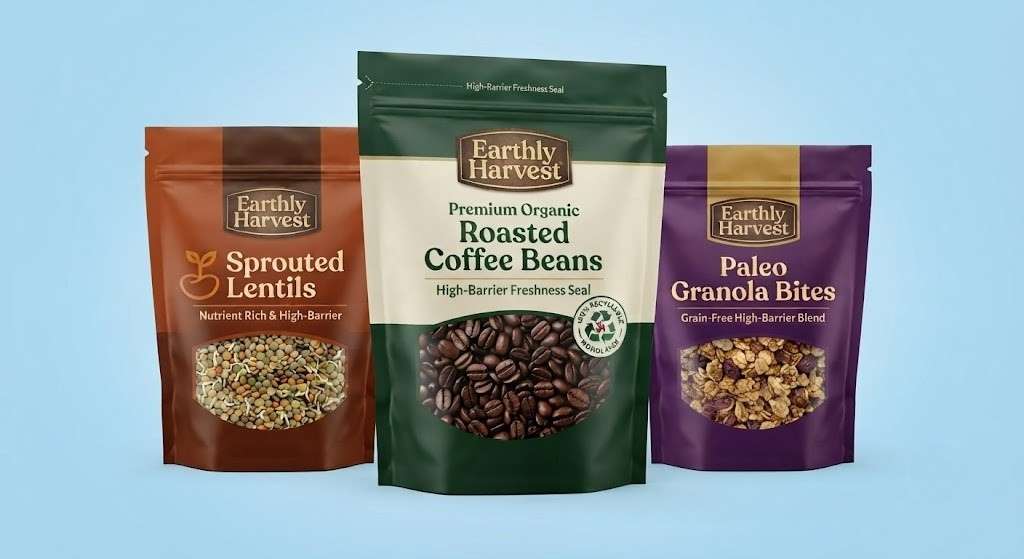
Mono-material technology is one of the most important innovations behind recyclable flexible packaging. It focuses on reducing material complexity by replacing mixed-material structures with packaging designs that are easier to recycle and manage after use.
A mono-material structure does not mean that the packaging contains only a single thin layer. Instead, it means that all layers used in the packaging are made from the same type of material. This approach helps maintain important features such as flexibility, durability and product protection while improving recycling possibilities.
Key benefits include:
Through mono-material innovation, recyclable flexible packaging is helping the packaging industry move toward more efficient, sustainable and responsible solutions.
Packaging waste has become a major global concern, especially when materials are difficult to recover and reuse. Recyclable flexible packaging helps solve this challenge by using advanced structures that are designed to support recycling from the beginning.
Unlike conventional flexible packaging, which often contains mixed materials, recyclable flexible packaging uses a simplified material structure. This makes it easier for recycling systems to identify, process and manage the packaging material more efficiently. Reducing packaging waste depends not only on using less material but also on improving how materials are handled after use. Recyclable flexible packaging supports a more responsible approach by helping keep valuable materials within recycling systems and reducing unnecessary waste.
Businesses are increasingly adopting recyclable flexible packaging because it offers a combination of performance, efficiency and sustainability benefits. Today, companies need packaging solutions that support environmental goals while maintaining efficient production and supply chain operations.
Recyclable flexible packaging helps businesses reduce material complexity and strengthen their sustainability strategies. It also enables companies to meet changing market expectations where responsible packaging choices are becoming increasingly important. Another key reason for its growing adoption is that recyclable flexible packaging allows businesses to maintain the advantages of flexible formats. It continues to provide lightweight handling, efficient transportation and effective product protection while delivering improved recycling benefits.
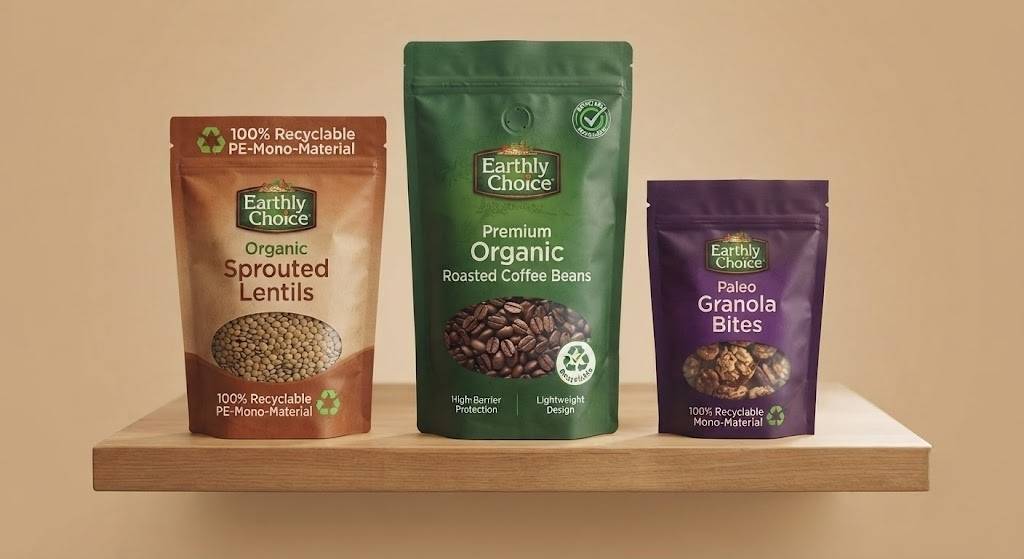
The packaging industry is experiencing continuous changes due to evolving sustainability goals and growing attention toward efficient recycling systems. Businesses need packaging solutions that can adapt to these changing requirements and support long-term strategies.
Recyclable flexible packaging provides companies with a solution that aligns with the future direction of packaging development. Its advanced material structure helps businesses move toward packaging solutions that are designed with recycling considerations from the beginning.
By adopting recyclable flexible packaging, companies can build stronger packaging strategies for future markets. It enables them to meet changing expectations while maintaining the performance and protection required for their products.
A circular economy focuses on keeping materials in use for longer periods instead of treating them as waste after a single use. Recyclable flexible packaging supports this approach by creating packaging structures that are more compatible with recycling systems.
Traditional flexible packaging can create recycling challenges because different materials are combined together. Recyclable flexible packaging helps overcome these challenges by using compatible material structures that make material recovery more efficient and achievable. By supporting better recycling and material recovery, recyclable flexible packaging helps create a future where packaging materials can return to the production cycle. This makes it an important development for industries working toward more sustainable and responsible operations.
Barrier performance is a critical factor in packaging because it directly impacts product safety and quality. Packaging must protect products from external factors while maintaining its strength and reliability throughout storage and transportation.
Earlier recyclable flexible packaging solutions faced some limitations in terms of barrier performance. However, continuous advancements in material technology have improved these structures, allowing them to provide strong protection for a wide range of applications.
In addition, recyclable flexible packaging can now meet many demanding barrier requirements while maintaining its recycling benefits. These improvements have reduced previous concerns and increased confidence among businesses looking to transition from conventional flexible packaging.
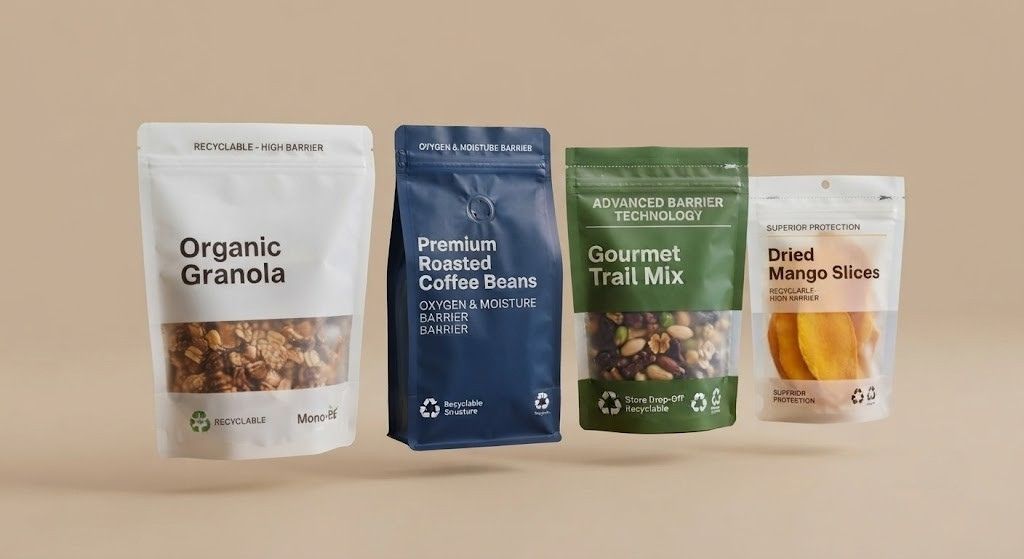
The packaging industry is moving toward solutions that combine practical performance with greater environmental responsibility. Recyclable flexible packaging represents this transition by addressing key challenges associated with conventional flexible packaging.
Its ability to provide strong product protection, lightweight efficiency and improved recyclability makes it a valuable innovation for modern industries. Instead of focusing only on short-term packaging performance, recyclable flexible packaging considers the complete lifecycle of materials.
In addition, as businesses continue searching for better packaging solutions, recyclable flexible packaging is becoming an important part of the future. It demonstrates how innovation can create packaging systems that meet current industry requirements while supporting long-term sustainability goals.
The future of packaging will depend on solutions that combine performance, efficiency and responsible material use. Recyclable flexible packaging has the potential to become an important part of this future because it addresses key challenges in traditional packaging systems.
Continuous advancements in material technology are making recyclable flexible packaging more effective and practical for various industries. These developments are helping businesses adopt better packaging solutions without compromising essential functions such as product protection and performance.
In addition, as sustainability becomes a major focus worldwide, recyclable flexible packaging is expected to play an increasingly important role. It represents a modern approach that connects innovation with responsible packaging development.
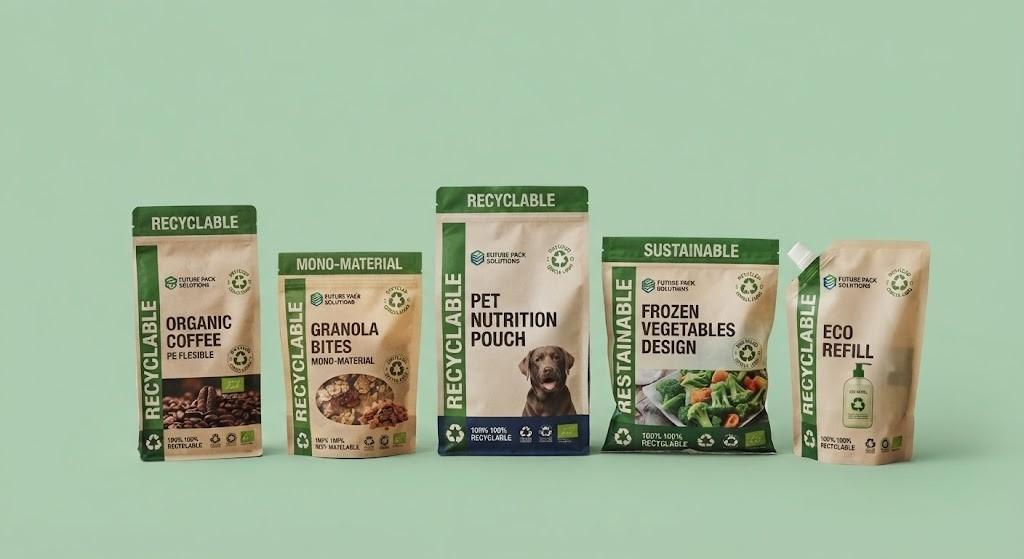
Recyclable flexible packaging is becoming an important innovation in the future of modern packaging because it provides a better balance between performance, efficiency and recyclability. By using advanced mono-material structures, it helps overcome challenges associated with conventional flexible packaging while maintaining strong product protection and practical benefits. As businesses continue to focus on responsible packaging solutions, recyclable flexible packaging offers a valuable opportunity to improve material management and support more sustainable packaging systems. Its increasing adoption shows that the future of packaging is moving toward smarter designs that protect products while creating better opportunities for recycling and efficient resource use.
Currently the PPWR is the biggest thing for flexible packaging industry. Basically it is about safe and sustainability. It is the requirement in Europe, but it is also shows the future of the world. And this is the modern packaging demand. Longdapac is the one of the leading recyclable pouches manufacturer in China. 100% recyclable mono-material PE pouch is well following the PPWR rules. And it is even better if we use PCR PE in the packaging.
Answer: Recyclable flexible packaging is an advanced packaging solution designed to provide strong product protection while improving recycling possibilities. Unlike conventional flexible packaging, which often uses different materials combined together, recyclable flexible packaging mainly uses mono-material structures such as PE-based and PP-based solutions. These structures reduce material complexity and make recycling processes more efficient. It is becoming increasingly important as industries are searching for packaging solutions that meet modern sustainability goals without compromising performance. Recyclable flexible packaging offers benefits such as lightweight design, efficient resource use, strong barrier protection and better compatibility with recycling systems, making it a valuable development for the future of packaging.
Answer: The main difference between recyclable flexible packaging and conventional flexible packaging is their material structure. Conventional flexible packaging often contains multiple layers made from different materials that are combined to improve strength, appearance and protection. However, these mixed-material structures create recycling challenges because separating different materials is difficult. Recyclable flexible packaging uses mono-material structures where all layers belong to the same material family, such as PE or PP. This design improves recyclability while maintaining important packaging functions. By reducing material complexity, recyclable flexible packaging provides an advanced solution that supports both effective product protection and responsible material management.
Answer: Yes, modern recyclable flexible packaging can provide strong protection similar to conventional flexible packaging due to continuous improvements in material technology and manufacturing processes. Earlier recyclable packaging solutions faced challenges related to barrier performance, but advanced developments have significantly improved their ability to protect products from external factors such as moisture and oxygen. Recyclable flexible packaging can now meet many demanding protection requirements while maintaining its recycling benefits. This makes it a practical choice for industries that need reliable packaging performance along with improved sustainability advantages. The development of advanced barrier technologies has helped recyclable flexible packaging become a competitive alternative to conventional flexible packaging.
Answer: More businesses are choosing recyclable flexible packaging because it helps them achieve a better balance between operational performance and sustainability goals. Companies are increasingly focusing on packaging solutions that reduce material challenges, support recycling efforts and meet changing market expectations. Recyclable flexible packaging allows businesses to maintain the benefits of flexible formats, including lightweight handling, efficient transportation and effective product protection while adopting more responsible packaging practices. It also helps companies prepare for future packaging requirements by using designs that consider recycling and resource efficiency. As sustainability becomes more important across industries, recyclable flexible packaging is becoming a preferred choice for businesses seeking long-term packaging improvements.
Answer: Recyclable flexible packaging has strong potential to become a major standard in future packaging systems because it addresses many challenges associated with traditional packaging structures. It combines important features such as durability, lightweight efficiency, product protection and improved recyclability in one solution. As technology continues to advance, recyclable flexible packaging is becoming more effective and suitable for a wider range of industries. Businesses are increasingly recognizing the importance of packaging solutions that support both current performance requirements and future sustainability goals. With its ability to reduce material complexity and encourage better recycling practices, recyclable flexible packaging represents a significant step toward a more responsible, efficient and sustainable packaging future.