
The demand for recyclable flexible packaging is increasing rapidly because it supports both environmental and business goals. Governments are introducing stricter packaging regulations, consumers are choosing more sustainable products and companies are making long-term commitments to reduce packaging waste. At the same time, continuous advancements in material technology have made recyclable flexible packaging stronger, more efficient and more practical for a wide range of applications. These developments have made it one of the fastest-growing packaging solutions worldwide.
Recyclable flexible packaging has become one of the most important innovations in the modern packaging industry. As businesses place greater focus on sustainability, they are looking for packaging solutions that reduce environmental impact without compromising product protection. Recyclable flexible packaging meets these needs by combining reliable performance with improved recyclability. It helps businesses adopt more sustainable packaging while maintaining the quality, safety and efficiency required in today’s competitive market.
In this article, we will guide you through why the demand for recyclable flexible packaging is growing faster than ever. We will also discuss the key factors driving this growth, including PPWR, changing consumer expectations, sustainability goals, technological advancements and the business benefits that encourage companies to adopt recyclable flexible packaging.
Sustainability has become one of the highest priorities for businesses worldwide. Companies are reviewing every part of their operations to reduce environmental impact, and packaging is one of the first areas receiving attention. Choosing sustainable flexible packaging helps businesses reduce packaging waste while supporting responsible resource management.
Unlike conventional flexible packaging, which often combines different materials such as PET and PE, recyclable flexible packaging is commonly manufactured using mono-material structures such as PE/PE or PP/PP. This material structure is more compatible with recycling systems, making it easier to recover and reuse valuable materials instead of allowing them to become waste. This approach supports the circular economy by keeping materials in use for a longer period. As more industries adopt sustainable practices, recyclable flexible packaging continues to gain recognition as a practical, reliable and future-ready packaging solution.
One of the main reasons for the growing demand for recyclable flexible packaging is the Packaging and Packaging Waste Regulation (PPWR). This regulation encourages businesses to redesign their packaging so it can be recycled more easily and generate less waste throughout its lifecycle.
PPWR is changing the way companies develop packaging. Instead of relying on complex multi-material structures, many manufacturers are investing in recyclable mono-material packaging that meets future regulatory requirements. This shift is driving innovation across the packaging industry and supporting the development of more sustainable packaging solutions. Businesses that prepare for PPWR today can strengthen their long-term sustainability strategies while improving their readiness for future compliance requirements. As a result, PPWR has become an important factor influencing packaging decisions in both European and international markets.
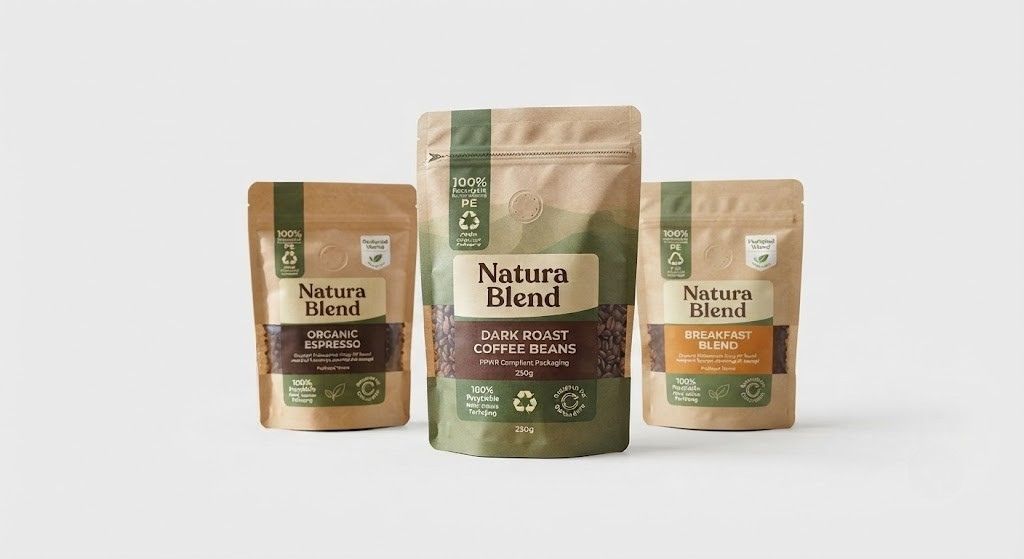
Modern consumers are paying more attention to the environmental impact of the products they buy. Packaging is no longer seen as just a protective layer. It has become an important part of a company’s sustainability efforts and brand reputation.
Many customers prefer brands that demonstrate environmental responsibility by using recyclable packaging. This growing awareness encourages businesses to invest in packaging solutions that meet customer expectations while supporting recycling initiatives.
As consumer preferences continue to change, recyclable flexible packaging gives businesses an opportunity to strengthen customer trust and build long-term brand loyalty.
Earlier recyclable packaging solutions faced challenges with barrier performance and production efficiency. Continuous research and development have greatly improved these areas, allowing recyclable flexible packaging to deliver reliable performance across a wide range of applications.
Modern mono-material packaging provides excellent sealing performance, durability and product protection. These improvements help businesses maintain high packaging standards while ensuring the packaging remains recyclable.
At the same time, manufacturing processes have become more efficient, helping reduce production costs and making recyclable flexible packaging a practical solution for businesses of all sizes.
Companies across many industries have set sustainability goals to reduce waste, improve resource efficiency and lower their environmental impact. Packaging plays an important role in achieving these goals because it directly affects material use and recycling performance.
Replacing conventional flexible packaging with recyclable alternatives helps businesses make measurable progress toward their sustainability commitments. It also supports environmental reporting and encourages responsible business practices.
For many organizations, recyclable flexible packaging is no longer just an environmental initiative. It has become an important business strategy that supports long-term growth and strengthens market competitiveness.
The use of recyclable flexible packaging is growing across many industries because it provides an excellent combination of product protection, efficiency and sustainability. Businesses that once relied on conventional flexible packaging are now switching to recyclable alternatives to meet changing market expectations and future packaging requirements.
The food industry is one of the largest users because it requires packaging that protects product quality while supporting sustainability goals. Manufacturers in the personal care, healthcare, pet food and industrial sectors are also increasing their use of recyclable flexible packaging as they improve their packaging strategies. As more industries recognize the long-term benefits of recyclable packaging, its adoption continues to expand across both consumer and commercial markets. This widespread acceptance is one of the main reasons why demand for recyclable flexible packaging is growing so quickly worldwide.
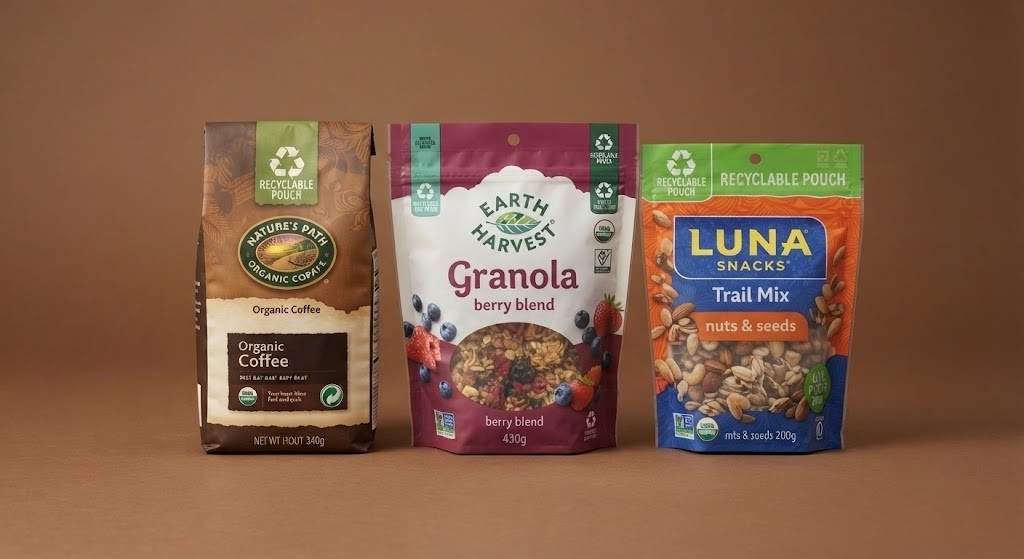
Large retailers are playing a major role in the growth of recyclable flexible packaging. Many retail companies have introduced packaging guidelines that encourage suppliers to improve sustainability and reduce unnecessary packaging waste.
Businesses that supply products to major retailers are reviewing their packaging to ensure it meets these requirements. Using recyclable flexible packaging helps suppliers strengthen business relationships while demonstrating their commitment to responsible packaging practices. Retailers also recognize that sustainable packaging supports their environmental goals. As a result, they continue encouraging packaging improvements throughout their supply chains, creating even greater demand for recyclable flexible packaging.
The rapid growth of recyclable flexible packaging is driven by collaboration across the entire packaging value chain. Material suppliers, packaging manufacturers, brand owners, recycling organizations and technology providers work together to develop packaging solutions that improve recyclability while maintaining high performance.
These partnerships encourage innovation by bringing together expertise from different sectors. Companies can develop new materials, improve packaging designs and create solutions that meet both business and environmental goals.
Industry collaboration also helps establish common standards that improve packaging consistency and support the wider adoption of recyclable flexible packaging. By working together, the industry can overcome technical challenges more efficiently and continue driving future innovation.
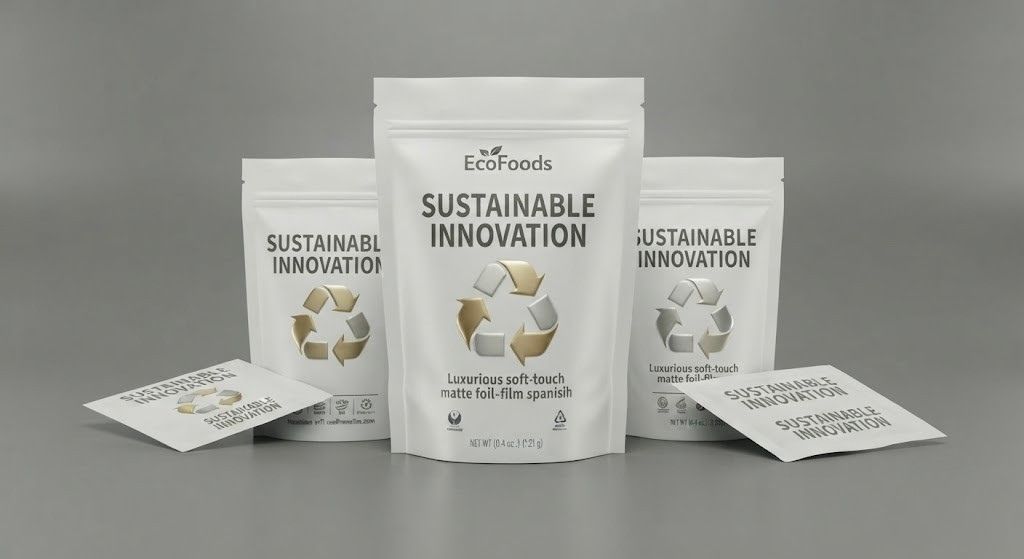
The growth of online shopping has created new packaging requirements for manufacturers and retailers around the world. Products often pass through multiple handling and transportation stages before reaching customers, making reliable packaging more important than ever.
Recyclable flexible packaging offers dependable product protection while remaining lightweight and practical for shipping. Its flexible structure helps protect products during transportation without adding unnecessary weight to the packaging.
As e-commerce continues to expand, businesses are choosing packaging solutions that support efficient shipping, reliable product protection and responsible packaging practices. This growing trend is creating more opportunities for recyclable flexible packaging across a wide range of industries.
The demand for recyclable flexible packaging continues to grow because it helps solve many of today’s packaging challenges while supporting the future of the packaging industry. More businesses now recognize that sustainable packaging is an essential part of long-term success rather than an optional improvement.
Ongoing investment in material development, manufacturing technologies and recycling infrastructure will continue to improve the performance of recyclable flexible packaging. These advancements will create more opportunities for businesses looking for reliable and environmentally responsible packaging solutions.
As global sustainability efforts continue to grow, recyclable flexible packaging is expected to remain one of the most important innovations in the packaging industry. Its ability to combine product protection, operational efficiency and recyclability will support its continued growth in the years ahead.
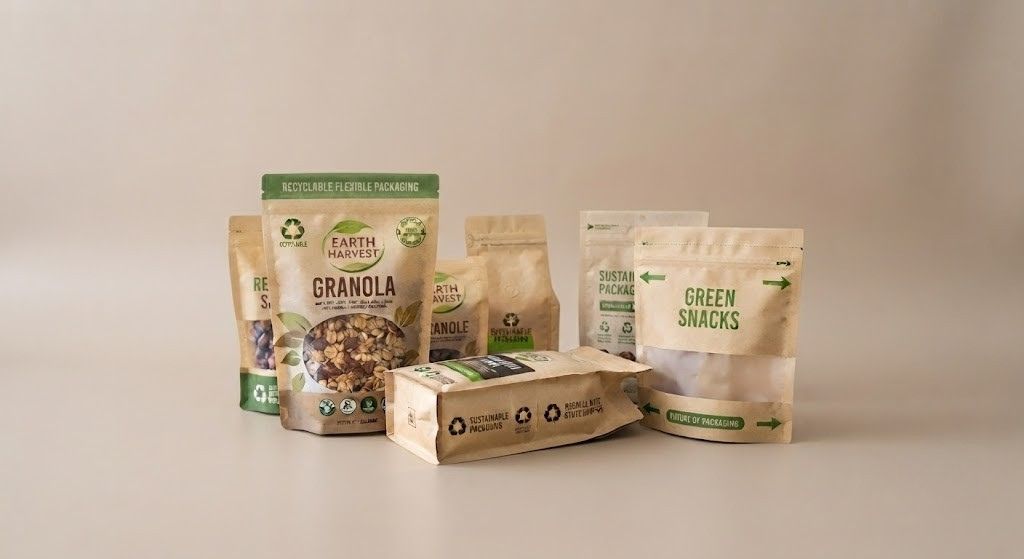
Recyclable flexible packaging has become an essential solution for businesses that want to meet changing market demands while supporting long-term sustainability. Growing environmental awareness, changing regulations, evolving consumer expectations and continuous technological advancements are encouraging more companies to replace conventional packaging with recyclable alternatives. At the same time, improvements in material performance, manufacturing efficiency and recycling systems have made recyclable flexible packaging a practical, reliable and effective choice for a wide range of industries.
As demand continues to increase, recyclable flexible packaging will play an even more important role in the future of the packaging industry. Businesses that adopt this packaging solution today will be better prepared to meet future market requirements while supporting their sustainability goals and achieving long-term growth.
Longdapac is the leading recyclable pouches manufacturer in China. We started to launch this product in 2020, but now the demand is becoming faster and faster cause more and more customers are awaring the sustainability and reduce the waste, especially the energy industry is in a risk for the war.
Answer: Recyclable flexible packaging is a packaging solution designed to be recycled after use. Unlike conventional flexible packaging, which often combines different materials that are difficult to recycle, recyclable flexible packaging is usually manufactured using mono-material structures such as PE/PE or PP/PP. These structures are more compatible with existing recycling systems, making it easier to recover and reuse valuable materials. In addition to supporting recycling, recyclable flexible packaging provides reliable product protection, helps preserve product quality and offers the flexibility required for a wide range of industries, such as food, personal care, healthcare and industrial products.
Answer: The demand for recyclable flexible packaging is growing rapidly because businesses, consumers and governments are placing greater importance on sustainability and waste reduction. Consumers are increasingly choosing brands that use environmentally responsible packaging, while businesses are working to achieve their sustainability goals and strengthen their brand reputation. At the same time, regulations such as the Packaging and Packaging Waste Regulation (PPWR) are encouraging companies to improve the recyclability of their packaging. Continuous advancements in packaging technology have also improved the strength, barrier performance and cost efficiency of recyclable flexible packaging, making it a practical and reliable solution for a wide range of applications. Together, these factors continue to drive strong growth across the global packaging industry.
Answer: Recyclable flexible packaging offers many benefits that support both business growth and environmental responsibility. It helps companies reduce packaging waste, comply with changing regulations and demonstrate a strong commitment to sustainability. Its lightweight design improves transportation efficiency and can help lower logistics costs, while its excellent printing capabilities allow businesses to create attractive packaging that enhances brand visibility. In addition, recyclable flexible packaging provides reliable product protection, supports modern recycling systems and helps businesses prepare for future market requirements. These advantages make it a valuable investment for companies that want to remain competitive in today’s packaging industry.
Answer: The Packaging and Packaging Waste Regulation (PPWR) is one of the most important developments shaping the packaging industry. It encourages businesses to reduce packaging waste, improve packaging recyclability and support the transition toward a circular economy. As companies work to meet these requirements, many are replacing conventional multi-material packaging with recyclable mono-material flexible packaging. This shift helps businesses prepare for future regulatory compliance while improving their environmental performance and strengthening customer confidence. As PPWR continues to influence packaging standards across Europe, it is expected to support the wider adoption of recyclable flexible packaging and drive further innovation throughout the industry.
Answer: The future of recyclable flexible packaging looks highly promising as sustainability continues to become a priority for businesses, governments and consumers worldwide. Ongoing investments in material innovation, recycling infrastructure and manufacturing technologies are making recyclable packaging stronger, more efficient and more accessible. Many companies are including recyclable flexible packaging in their long-term strategies to improve environmental performance while meeting changing market needs. As global regulations continue to develop and demand for sustainable packaging grows, recyclable flexible packaging is expected to play an important role in the future of the packaging industry by supporting resource efficiency, reducing waste and contributing to a more sustainable circular economy.