
Packaging plays an important role in protecting products, maintaining quality and ensuring efficient transportation. However, increasing environmental concerns have created a growing demand for packaging solutions that reduce waste and support effective recycling systems. Traditional flexible packaging has offered reliable protection for many years, but its complex material structures often make recycling more difficult. As businesses focus on sustainability, they are adopting packaging solutions that deliver strong performance while reducing environmental impact.
PCR PE pouches are becoming an important solution in the evolving packaging industry. These pouches use Post-Consumer Recycled (PCR) polyethylene material, which helps give used plastic materials a new purpose instead of turning them into waste. By combining recycled content with recyclable mono-material PE structures, PCR PE pouches support the growth of a more circular packaging system.
In this article, we will guide you through how PCR PE pouches are transforming sustainable flexible packaging. We will also explain what PCR PE pouches are, why they are becoming popular, how they improve sustainability, their role in recycling systems, their benefits for different industries and how they help brands achieve modern environmental goals.
PCR PE pouches are flexible packaging solutions made from Post-Consumer Recycled (PCR) polyethylene material. PCR material is collected from used plastic products, processed through recycling systems and transformed into new packaging materials. This process helps reduce the demand for newly produced virgin plastic materials.
Unlike conventional packaging that relies mainly on new raw materials, PCR PE pouches help reuse existing plastic resources and support a more sustainable packaging approach. They help keep valuable materials in circulation for a longer time while reducing plastic waste.
These pouches are commonly made from polyethylene because PE provides excellent flexibility, durability and compatibility with recyclable packaging structures. When designed as mono-material PE packaging, PCR PE pouches can offer better recyclability compared with traditional multi-material flexible packaging.
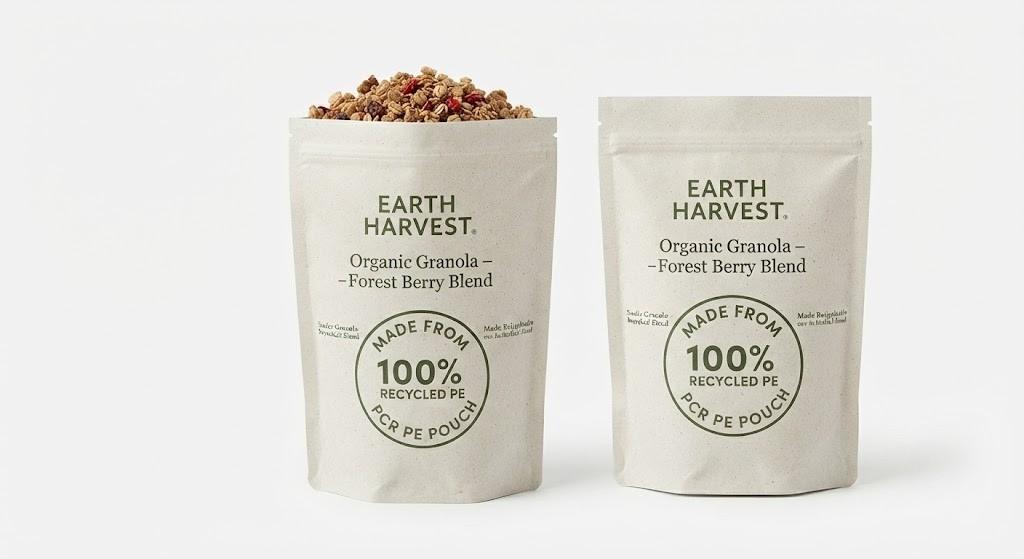
The packaging industry is going through a significant transformation as businesses and consumers become more aware of environmental challenges. Companies are facing growing pressure to reduce plastic waste, improve recycling systems and adopt more responsible packaging solutions.
Flexible packaging remains widely used because it requires fewer resources, uses less material and provides effective product protection compared with many other packaging formats. However, improving the sustainability of flexible packaging has become an important focus for the industry.
PCR PE pouches address this growing demand by combining the benefits of flexible packaging with recycled content. They help brands achieve their sustainability goals while maintaining the performance and functionality needed for modern packaging applications.
The increasing focus on circular economy practices is also encouraging companies to choose packaging materials that reduce reliance on virgin plastic. PCR PE pouches play an important role in supporting these efforts by helping create a more sustainable and resource-efficient packaging system.
A circular packaging system focuses on keeping materials in use instead of turning them into waste. PCR materials support this approach by giving used plastics a new purpose through recycling and manufacturing processes.
When plastic waste is collected and converted into PCR resin, it reduces the amount of plastic reaching landfills or entering the environment. This helps conserve resources and improves overall plastic management.
PCR PE pouches support circularity by combining recycled content with recyclable design principles. They help brands reduce environmental impact while encouraging better recycling practices.
Key contributions include:
By supporting the reuse of plastic materials, PCR PE pouches help create a more efficient packaging cycle. These solutions allow businesses to adopt sustainable practices while contributing to a future where resources are recovered, reused and managed more responsibly.
Polyethylene is one of the most widely used materials in flexible packaging due to its excellent performance properties. It provides strength, flexibility and moisture resistance, making it suitable for a wide range of product categories.
PCR PE pouches use polyethylene because this material can be processed effectively while maintaining essential packaging qualities. PE-based structures can also be developed as mono-material solutions, which improves recyclability compared with traditional mixed-material packaging. The ability to create recyclable PE structures makes polyethylene an important material for sustainable packaging development. Brands can improve their environmental performance while maintaining the durability and protection required for their products.
Modern PCR PE pouch designs can include advanced barrier technologies that help protect products from moisture, oxygen and other external factors. This allows sustainable packaging solutions to meet the requirements of demanding applications while delivering reliable product protection.
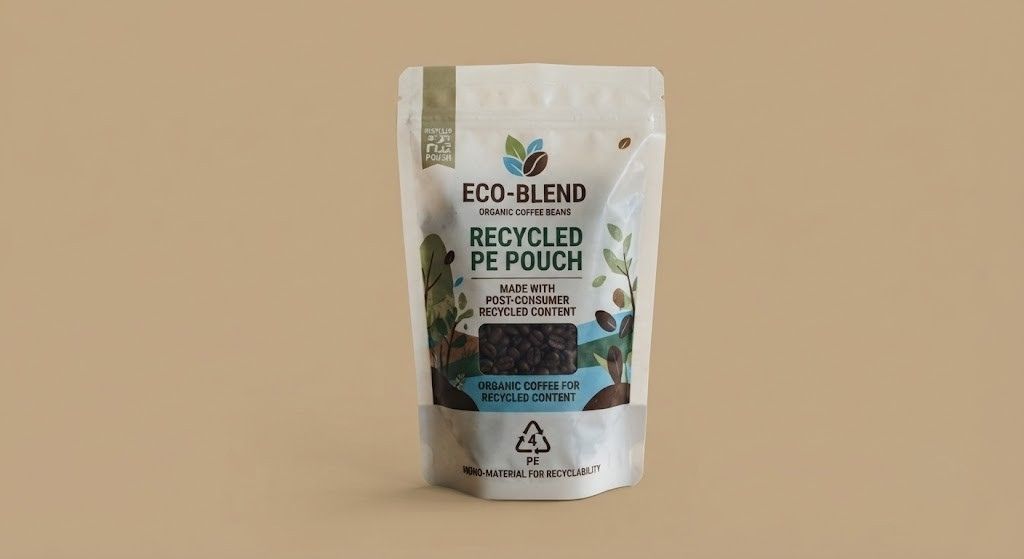
Traditional flexible packaging often uses multiple layers made from different materials to provide strong protection, durability and barrier performance. However, the combination of different materials can create recycling challenges because separating these layers is often difficult.
PCR PE pouches help address these challenges by using recycled polyethylene content and recyclable PE-based structures. They provide a more sustainable packaging solution while maintaining the benefits of flexible packaging formats, such as lightweight design, product protection and efficient transportation.
Feature | Conventional Flexible Packaging | PCR PE Pouches |
Main Material Approach | Often uses different laminated materials | Uses recycled PE-based structures |
Recycling Potential | More challenging due to mixed layers | Better compatibility with PE recycling streams |
Raw Material Source | Mainly depends on virgin plastic | Includes post-consumer recycled content |
Environmental Impact | Higher dependence on new resources | Supports resource recovery and circularity |
Sustainability Value | Limited recycled content options | Helps brands increase recycled material usage |
The transition from conventional packaging structures to PCR PE pouches represents a significant step forward in the development of sustainable flexible packaging solutions.
One of the main reasons businesses are adopting PCR PE pouches is their environmental benefit. These pouches reduce the need for virgin plastic by using recycled materials in new packaging solutions. This helps conserve resources and supports more effective plastic management.
Using PCR content also increases the demand for recycled plastics, helping improve recycling systems. It allows companies to enhance their sustainability performance and achieve goals related to recycled content, waste reduction and responsible material selection.
Key benefits include:
PCR PE pouches are helping create a more sustainable flexible packaging industry by reducing waste, supporting recycling efforts and encouraging the reuse of valuable materials.
A common concern with sustainable packaging is whether it can deliver the same level of protection as traditional packaging solutions. PCR PE pouches are designed to overcome this challenge through improved material technology and advanced manufacturing processes.
These pouches provide strong protection against moisture, contamination and external conditions, making them suitable for products that require reliable packaging performance during storage and transportation.
The development of high-quality PCR materials has enabled manufacturers to create packaging solutions that combine sustainability with functionality. Brands can now adopt environmentally responsible packaging without compromising product protection and performance.
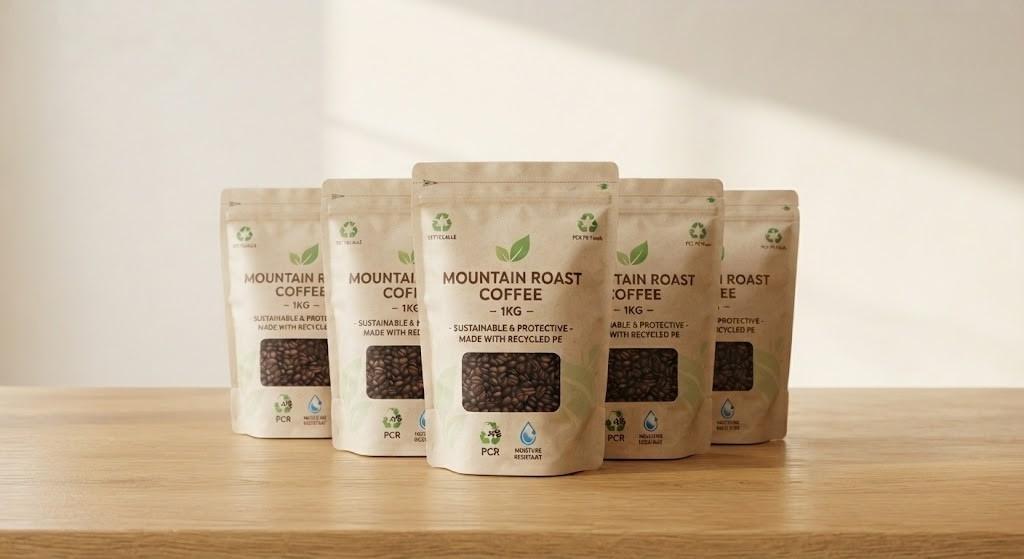
Brands are increasingly choosing PCR PE pouches because sustainability has become an important factor in purchasing decisions and market positioning. Environmentally responsible packaging helps companies demonstrate their commitment to reducing environmental impact while meeting the growing demand for sustainable solutions.
PCR PE pouches also help businesses adapt to changing packaging regulations and sustainability requirements across different markets. By using recycled content solutions, companies can prepare for future packaging expectations and strengthen their long-term sustainability strategies.
Brand benefits include:
By adopting PCR PE pouches, brands can build a stronger sustainability profile while promoting responsible material use. These packaging solutions help companies balance environmental goals with business requirements and contribute to a more sustainable future for flexible packaging.
PCR PE pouches are gaining popularity across various industries because they offer a flexible and sustainable packaging solution. Their lightweight design, durability and environmental benefits make them a suitable choice for businesses aiming to improve their packaging systems.
Many industries are adopting these pouches to reduce their reliance on virgin plastic materials while maintaining product quality, safety and protection.
Common applications include:
The increasing use of PCR PE pouches across different sectors shows that sustainable packaging is becoming an important industry priority rather than a temporary market trend.
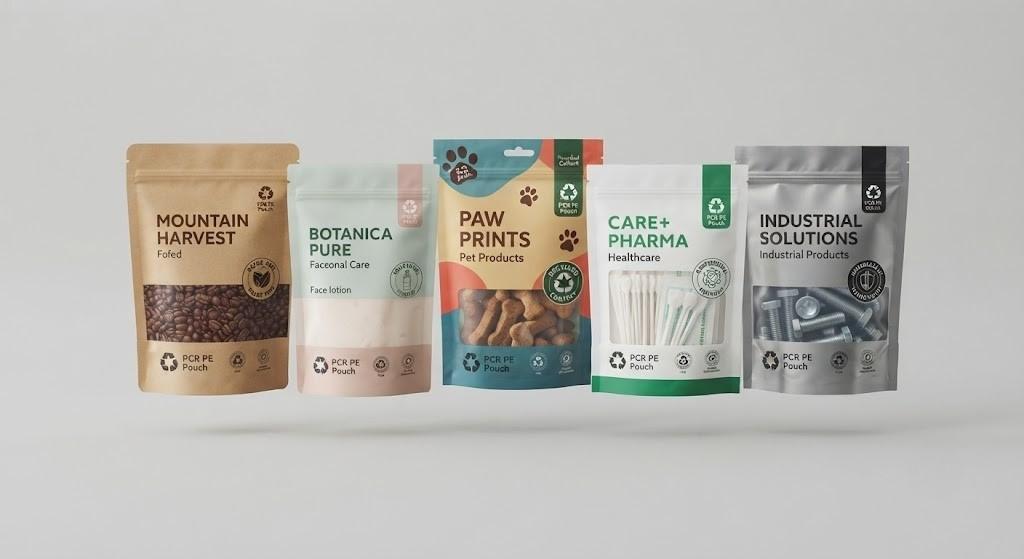
PCR PE pouches are playing an important role in shaping the future of sustainable flexible packaging by combining recycled materials with reliable packaging performance. These pouches help brands reduce their reliance on virgin plastic, support recycling systems and adopt more responsible packaging practices.
With advancements in recycling technology and growing demand for environmentally friendly solutions, PCR PE pouches are becoming a valuable packaging choice for businesses across various industries. By adopting these sustainable packaging solutions, companies can improve their environmental performance while meeting the changing expectations of customers and global markets.
Basically PCR PE pouches means it is 100% recyclable mono-material PE pouches, and the PE raw material is from PCR, so it is the most sustainable flexible packaging.
Longdapac is one of the leading PCR PE flexible packaging manufacturer from China which is compatible with PPWR. This is the reason we are selling good in Europe.
Answer: PCR PE pouches are flexible packaging solutions made from Post-Consumer Recycled (PCR) polyethylene material. This material is produced by collecting used plastic products, processing them through recycling systems and converting them into recycled resin for new packaging production. These pouches are becoming an important part of sustainable flexible packaging because they help reduce the demand for virgin plastic materials and promote better use of existing resources. Unlike many traditional flexible packaging structures that combine multiple materials, PCR PE pouches can be designed with PE-based structures that offer improved recycling compatibility. They provide businesses with a practical solution to reduce environmental impact while maintaining essential packaging properties such as flexibility, durability and product protection. As industries continue to focus on circular economy practices, PCR PE pouches are supporting a more responsible approach to plastic packaging by keeping valuable materials in use for a longer period.
Answer: PCR PE pouches help brands achieve sustainability goals by increasing the use of recycled materials in their packaging systems. Many companies are working to reduce their environmental impact, improve resource efficiency and adopt packaging solutions that support circular economy principles. By choosing PCR PE pouches, brands can reduce their reliance on newly produced plastic materials and demonstrate their commitment to responsible packaging practices. These pouches also help companies meet growing customer expectations as consumers are becoming more interested in products that use environmentally responsible packaging. In addition, PCR PE pouches support businesses in preparing for changing sustainability requirements and packaging regulations across different markets. By incorporating recycled content into their packaging strategies, brands can improve their sustainability image, build customer trust and develop long-term packaging solutions that support both environmental and business goals.
Answer: Yes, PCR PE pouches can provide strong performance similar to conventional flexible packaging when they are developed using advanced material technology and proper manufacturing processes. In the past, recycled materials faced challenges related to quality, consistency and performance, but improvements in recycling technology have significantly enhanced the capabilities of PCR materials. Modern PCR PE pouches can offer excellent flexibility, durability and resistance to external conditions while maintaining effective product protection. Manufacturers use advanced processes to improve the strength, appearance and functional properties of recycled PE materials. These improvements allow PCR PE pouches to meet the requirements of various industries without compromising packaging efficiency. Businesses can now choose sustainable packaging solutions that deliver reliable performance while supporting environmental goals. This balance between sustainability and functionality is one of the main reasons why PCR PE pouches are becoming increasingly popular in the flexible packaging industry.
Answer: PCR PE pouches are being adopted by various industries because they offer a combination of sustainability, flexibility and reliable packaging performance. The food industry uses these pouches to support responsible packaging goals while maintaining product quality and protection. Personal care brands are also choosing PCR PE pouches to develop environmentally responsible packaging that meets growing customer expectations for sustainable products. The pet product industry is adopting these solutions because they provide durable packaging options while reducing reliance on virgin plastic materials. Healthcare and industrial sectors are also exploring PCR PE pouches as businesses in these areas focus more on improving packaging sustainability. The wide range of applications shows that PCR PE pouches are not limited to a single market but can support various industries through their adaptable design and environmental benefits. As sustainability becomes a major priority across global markets, more industries are expected to integrate PCR PE pouches into their packaging strategies.
Answer: The future of PCR PE pouches is highly promising as the packaging industry continues moving toward more sustainable and circular solutions. Growing environmental awareness, increasing demand for recycled materials and a stronger focus on responsible packaging practices are encouraging companies to adopt PCR-based solutions. Improvements in recycling infrastructure and material development are expected to further enhance the quality, availability and performance of PCR PE pouches. As businesses look for packaging options that reduce waste while maintaining efficiency, PCR PE pouches will continue gaining importance in global markets. These pouches represent more than just an alternative packaging option because they support a wider transition toward a circular economy where materials are reused instead of discarded. By combining recycled content, recyclable design and reliable performance, PCR PE pouches are expected to play an important role in shaping the future of sustainable flexible packaging and helping brands achieve long-term environmental goals.