
Packaging is moving toward a more circular model as businesses face increasing pressure to reduce waste and use materials more efficiently. Flexible packaging plays an important role in this shift because it can protect products while using relatively small amounts of material. However, some flexible packaging structures can be difficult to recycle when they combine different materials. This has increased interest in recyclable flexible packaging technologies that can maintain product performance while working more effectively with recycling systems.
The Packaging and Packaging Waste Regulation (PPWR), Regulation (EU) 2025/40, is adding further momentum to this transition in the European Union. The regulation entered into force on 11 February 2025 and will generally apply from 12 August 2026. It covers packaging and packaging waste regardless of the material or its origin and sets requirements for packaging design, composition and waste management. The European Commission also highlights recyclability, recycled content and waste reduction as important elements of this new framework.
In this article, we will explain how PPWR could influence the future development of recyclable flexible packaging technologies. We will also explain how the regulation can encourage better recyclable structures, improve packaging design decisions, support mono-material approaches, influence barrier technology and increase attention to real-world recycling performance.
PPWR could make recyclability a much more important consideration when companies develop flexible packaging. The regulation establishes that packaging placed on the EU market must be recyclable, while specific design-for-recycling requirements are being introduced through a phased framework leading toward the 2030 recyclability objective. Recyclability is not only about whether a material can technically be recycled in a controlled setting. The regulatory approach also considers whether packaging can be collected, sorted and recycled at scale.
This could increase demand for recyclable flexible packaging technologies that are designed to work with existing and developing recycling systems. Packaging manufacturers may increasingly need to consider the complete journey of a package after use. This includes how the package enters collection systems, how it is identified and sorted and whether its material can be recovered at the required quality.
As a result, recyclability could become a central design objective rather than an additional feature. Companies developing flexible packaging may increasingly invest in structures that combine the required packaging performance with better compatibility with end-of-life recycling processes.
One important technology direction for recyclable flexible packaging is the development of mono-material structures. Flexible packaging often needs several functions, including strength, sealing, printability and protection from external conditions. These functions have traditionally been achieved by combining different materials.
A mono-material structure aims to simplify this combination by using materials from the same polymer family while still providing the required functions. PE-based and PP-based structures are important examples of this approach. A mono-material package can still contain several layers. The key point is that the structure is designed around compatible material chemistry rather than being made from only one thin layer.
PPWR does not state that every mono-material package is automatically compliant. Recyclability depends on the complete packaging design and the specific requirements that apply to it. However, the regulatory focus on recyclable packaging could encourage further development of mono-material solutions where they can provide the required performance and work effectively with the relevant recycling route.
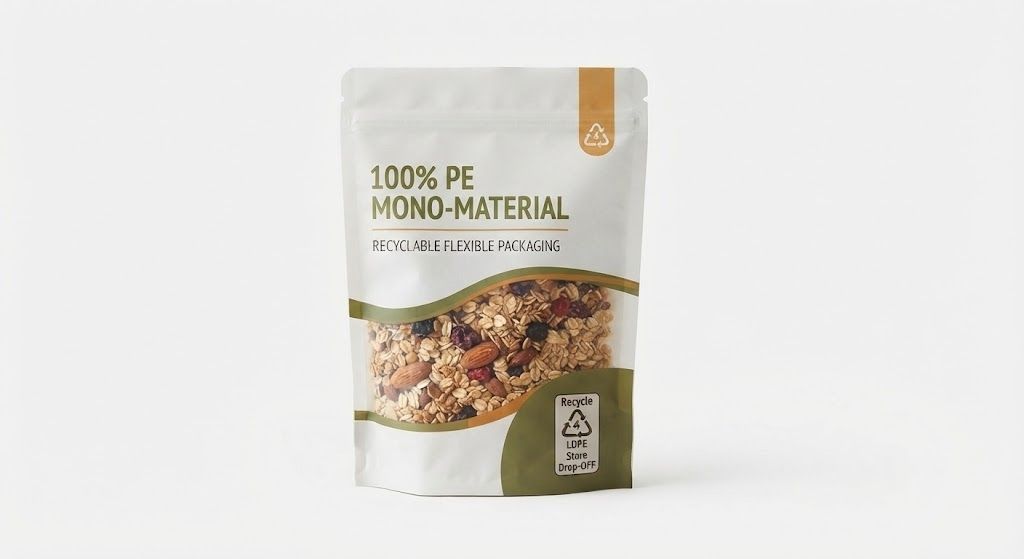
PPWR is expected to encourage a stronger design-for-recycling approach. The European Commission explains that the regulation will establish design requirements to make packaging more recyclable and support the use of secondary raw materials.
For recyclable flexible packaging, this means designers may need to consider recycling from the beginning of the development process. Instead of selecting materials only based on production efficiency or product protection, they may also need to consider how each material performs during collection, sorting and recycling.
This approach can influence the entire package. Film selection, layer design, printing systems, coatings, adhesives, closures and other components may all need to be assessed as part of the complete structure. A stronger design-for-recycling approach could therefore lead to packaging that considers its full life cycle from the start. This may also reduce the need for major structural changes later in the product development process.
Barrier performance is one of the major technical challenges in flexible packaging. Some products require protection from oxygen, moisture, light or other external factors to maintain their quality during storage and distribution.
Developing recyclable flexible packaging requires more than simply changing the main polymer. The new structure must still provide the level of protection required by the packaged product. This creates an important area for technology development because the materials and components used to improve barrier performance also need to remain compatible with the intended recycling process.
Future innovation could focus on barrier solutions that work effectively within recyclable structures. Developers may explore improved films, coatings and other functional layers that provide the necessary protection without making the overall package unnecessarily difficult to recycle. This could help recyclable flexible packaging support a wider range of products beyond basic applications. The key objective will be to combine the required barrier performance with a structure that meets the relevant recyclability requirements.

A recyclable flexible package needs to work effectively within a recycling pathway. This makes compatibility with collection, sorting and recycling processes an important area for future technology development.
PPWR places emphasis on packaging being capable of being collected and sorted into specific waste streams and recycled at scale. This means developers may need to look beyond whether a packaging material can technically be processed. They may also need to consider whether the package can move effectively through the wider waste-management system.
This could encourage closer cooperation between packaging producers and recycling specialists. Feedback from recycling operations can help identify packaging features that create difficulties and structures that perform better. For recyclable flexible packaging, this connection between packaging design and recycling infrastructure could become increasingly important. Technology development may be guided not only by what can be manufactured but also by what can be effectively recovered after use.
PPWR also aims to reduce unnecessary packaging and promote more efficient use of resources. The European Commission identifies reducing packaging waste and lowering the use of primary raw materials as important objectives of the regulation.
This could support further development of flexible packaging because flexible formats can be designed to provide product protection without necessarily requiring large amounts of material. However, material reduction must still be balanced with the functions required from the package.
Future recyclable flexible packaging technologies could therefore focus on achieving the required performance with more efficient structures. Developers may work on thinner films, improved material efficiency and structures that avoid unnecessary components while maintaining product protection. This creates an important technology challenge because reducing material use should not lead to packaging failure or increased product loss. The most effective solutions will need to combine material efficiency, functional performance and recyclability.
As recyclability becomes a stronger requirement, recyclable flexible packaging may move from simple material substitutions toward more carefully engineered structures.
A successful recyclable structure needs to balance several factors at the same time. These can include mechanical strength, sealing, barrier performance, printability, processing requirements and compatibility with recycling. Improving one characteristic can sometimes affect another, making careful optimisation important.
This could encourage manufacturers and material developers to invest in more specialised research. Instead of simply replacing a conventional layer with another material, they may develop complete structures designed for a specific application and its recycling pathway. This optimisation could make recyclable flexible packaging suitable for a wider range of demanding applications. It can also help the sector move toward packaging solutions designed as complete systems rather than combinations of separate material functions.
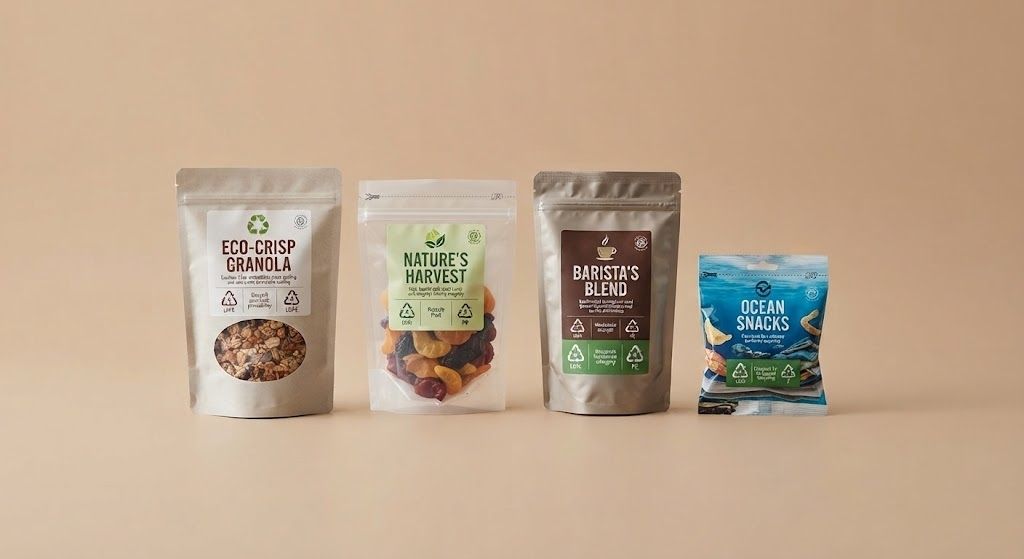
The combined focus on recyclability, resource efficiency and the use of recycled materials could encourage greater investment in recyclable flexible packaging technologies. The European Commission states that PPWR is intended to create opportunities for recycling and sustainability sectors while promoting innovation and the circular use of materials.
For flexible packaging manufacturers, this could mean that innovation is increasingly focused on structures that meet several goals at the same time. A future package may need to provide strong product protection, use materials efficiently, perform reliably during manufacturing and distribution and fit into an appropriate recycling system. This could accelerate development across films, coatings, adhesives, barrier solutions and other packaging components. Companies that can address these technical challenges may be better positioned as recyclable packaging requirements become increasingly important in the EU market.
The future of recyclable flexible packaging will therefore depend on more than changing a single material. It will involve improving the complete packaging structure so that performance and recyclability work together. PPWR could be an important driver of this development by making recyclable design a more significant part of packaging innovation.
Recyclable flexible packaging technologies will not necessarily use one structure for every product. Different applications can require different levels of strength, sealing performance, barrier protection and handling properties.
This means future development could focus more on application-specific recyclable structures. Instead of using one general solution across multiple products, manufacturers may develop packaging structures based on the specific performance requirements of each application. This approach could help reduce unnecessary compromises between packaging performance and recyclability. It could also encourage the development of specialised films, structures and components that are suitable for specific uses while meeting the relevant recycling requirements.
As these technologies continue to develop, recyclable flexible packaging could become a more diverse and technically advanced category, with solutions designed around different product requirements rather than one standard structure for every application.
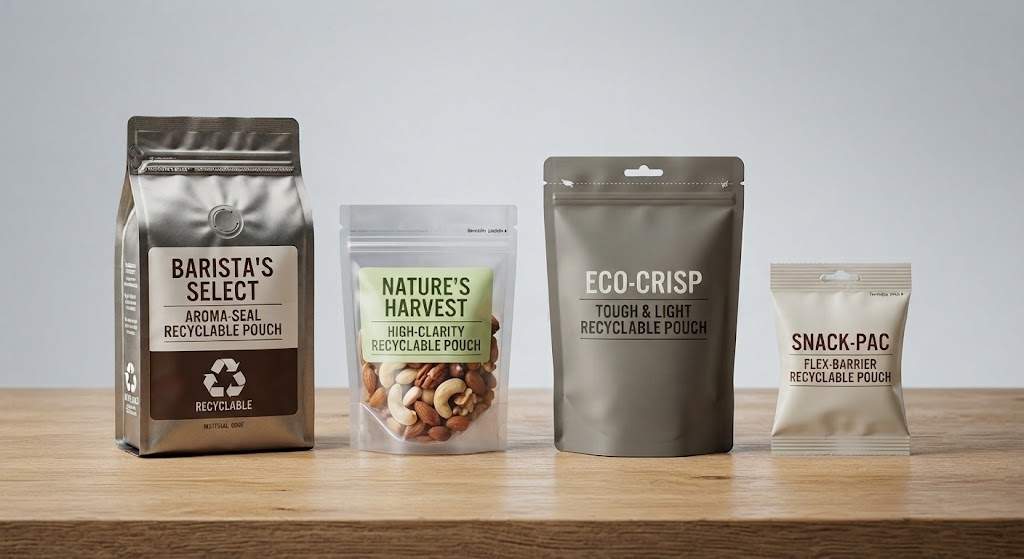
PPWR could have a strong influence on the future development of recyclable flexible packaging technologies by encouraging businesses to place greater emphasis on recyclability, material efficiency and responsible packaging design. The regulation could support a shift toward packaging structures that are developed with their complete life cycle in mind. This may encourage further innovation in recyclable films, mono-material structures, barrier solutions and other technologies that help flexible packaging meet both functional and recycling requirements.
As the packaging industry adapts to these changing expectations, recyclable flexible packaging could become increasingly important for companies serving the EU market. Future success will depend on developing solutions that provide reliable product protection while also supporting effective recycling and efficient material use. In this way, PPWR could encourage the industry to move beyond simply replacing conventional packaging and toward more carefully designed technologies that combine performance, recyclability and long-term resource efficiency.
Longdapac is one of the leading recyclable flexible packaging manufacturer in China. It is true that the demand for our product is growing rapidly since PPWR. The government rules will definitely push the insdustry move to this more sustainable direction.
Answer: Recyclable flexible packaging is designed so that its materials can enter an appropriate recycling process and be converted into usable recycled material. It can include flexible formats made from polymer-based films and may use multiple-layer structures when those layers are designed to work with the intended recycling route. The main objective is to provide the required packaging functions, such as protection, sealing and handling, while also supporting collection, sorting and recycling. Under the PPWR framework, recyclability involves more than simply stating that a material is recyclable. The packaging must meet the applicable design requirements and be capable of being collected, sorted and recycled at scale where the relevant conditions apply.
Answer: PPWR could influence recyclable flexible packaging by making recyclability a more important consideration in packaging design and development for products placed on the EU market. The regulation establishes requirements related to packaging recyclability, material efficiency and recycled content, with different requirements applying according to specific dates and packaging categories. This could encourage manufacturers to review existing flexible packaging structures and develop alternatives that better fit recycling systems. It may also increase attention to the complete packaging design rather than focusing only on the main film. As a result, companies may need to consider material selection, packaging components, recycling pathways and technical performance together when developing future flexible packaging.
Answer: No, A mono-material structure does not automatically mean that the packaging complies with PPWR. Mono-material packaging can support recyclable flexible packaging because its structure is mainly based on one polymer family. However, compliance depends on the complete packaging design and the specific requirements that apply to the packaging. Other elements, such as coatings, inks, adhesives, closures and additional components, may also need to be considered when evaluating the package. Recyclability can also depend on whether the packaging can be properly collected, sorted and recycled through the relevant system. Therefore, a mono-material design can support recyclability, but it should not be considered a guarantee of PPWR compliance.
Answer: Several technology areas could contribute to the development of recyclable flexible packaging, including improved film structures, compatible barrier solutions, sealing technologies, coatings, adhesives and materials designed to work more effectively with recycling processes. Research can focus on maintaining important packaging functions while reducing features that may interfere with recycling. Testing and technical assessment can also help manufacturers understand how complete packaging structures behave during recycling and identify areas for improvement. Future development is therefore likely to focus on complete packaging systems rather than a single material alone. The most effective technologies will need to balance product protection, manufacturing performance, material efficiency and the requirements of the intended recycling pathway.
Answer: Recyclable flexible packaging is becoming more important because packaging businesses are facing stronger expectations around waste reduction, resource efficiency and recyclability. PPWR establishes a regulatory framework that increases attention to these areas for packaging placed on the EU market. At the same time, companies are looking for packaging solutions that can maintain product protection while using materials more efficiently and supporting recycling. This combination of regulatory requirements and changing packaging priorities could increase investment in recyclable flexible packaging technologies. As materials, recycling systems and packaging designs continue to develop, recyclable flexible formats could become an increasingly important part of the transition toward more circular packaging systems.