
Packaging plays an important role in modern global trade as it protects products, improves storage and supports safe transportation over long distances. Today, industries are increasingly focusing on advanced packaging solutions that ensure product safety while also reducing environmental impact. Among these options, flexible packaging has become highly important due to its lightweight structure and cost efficiency.
Recyclable flexible packaging has become a major part of the global sustainability movement. It is designed to reduce waste and support reuse systems that help protect natural resources. Businesses are increasingly moving toward this packaging type because it meets performance requirements as well as environmental standards. This change is reshaping the way products are designed, packed and delivered across the world.
In this article, we will explain the most important global trends shaping recyclable flexible packaging. We will also explore how industries are changing their packaging systems, what new materials are being used and how technology is improving recyclability. This discussion also includes consumer behavior, government regulations, such as policies supporting sustainability and innovations that are driving the industry forward.
One of the strongest global trends is the rapid shift toward eco-friendly packaging solutions. Companies are actively replacing traditional plastic-based packaging with recyclable and sustainable alternatives. This shift is mainly caused by environmental concerns, rising waste levels and stricter regulations in many countries.
Businesses are realizing that sustainability is no longer only a marketing advantage but a long-term necessity. Customers are also demanding environmentally responsible products, which is pushing companies to redesign their packaging strategies. Even small and medium enterprises are now adopting recyclable packaging to remain competitive in the global market. This trend is expected to grow further as environmental awareness continues to increase across both developed and developing regions.
Mono material packaging is becoming one of the key innovations in recyclable flexible packaging. It uses a single type of material instead of combining multiple layers of different plastics. This makes the recycling process much easier and more efficient.
In traditional packaging, different materials are layered together, which creates challenges during recycling because they must be separated first. Mono material solutions remove this complexity and significantly improve recycling rates.
Global manufacturers are investing heavily in this technology because it aligns with environmental regulations and circular economy goals. It is expected to become a standard practice in the future packaging industry.
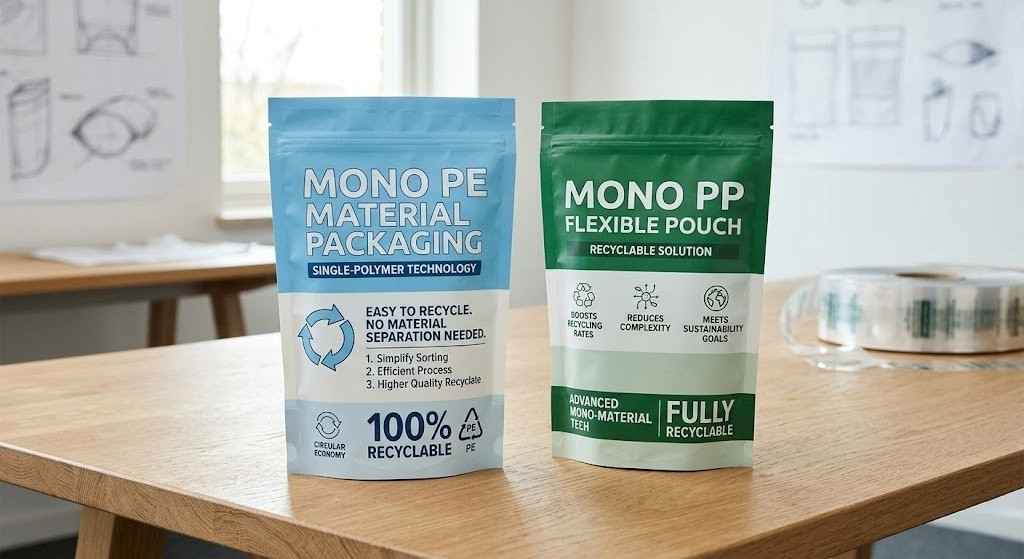
Minimalist packaging design is becoming more popular in global markets as brands move toward simpler and more effective presentation styles. This approach focuses on removing unnecessary elements and using only the essential components needed for packaging, which helps create a clean and organized look.
The main purpose of minimalist design is to reduce material usage while still maintaining product identity, protection and overall functionality. It also improves visual appeal by offering a modern and neat appearance that aligns with current consumer preferences for simplicity and clarity.
Many companies are now adopting this strategy to develop packaging that feels more sustainable and environmentally responsible. At the same time, it supports modern design trends, making products look more premium while reducing waste and supporting eco-friendly practices.
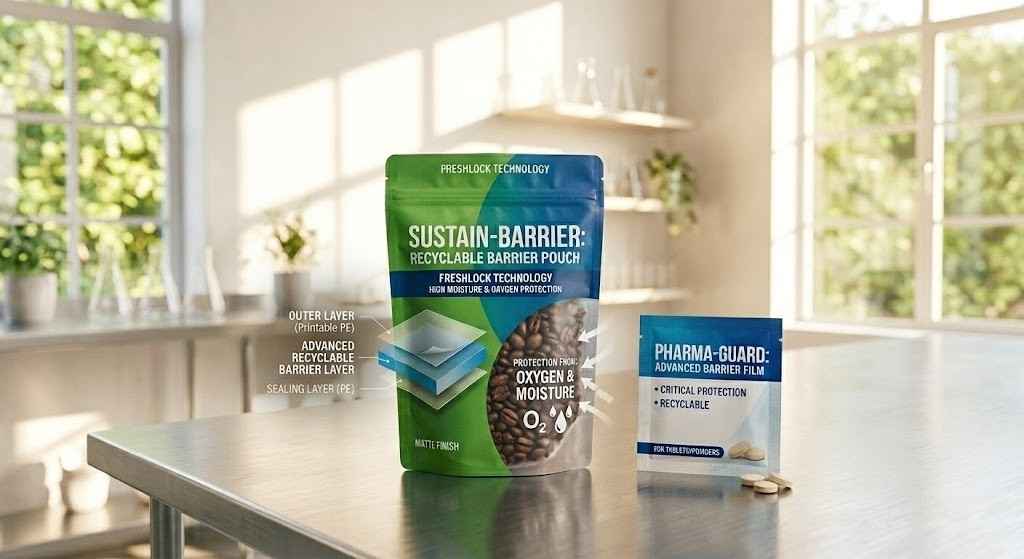
Packaging must protect products from external factors such as moisture, oxygen and contamination. To meet this need, companies are developing high-efficiency barrier materials that are also recyclable. These materials improve product shelf life while maintaining environmental safety. Modern barrier technologies allow packaging to remain thin and flexible without reducing protection.
This innovation is especially important in industries such as food and pharmaceuticals where product freshness and safety are critical. The demand for advanced barrier solutions continues to grow globally.
Environmental regulations are playing a powerful role in shaping the future of packaging. Many countries have introduced strict policies to control plastic waste and promote recyclable packaging solutions.
These regulations include bans on single-use plastics, mandatory recycling targets and extended producer responsibility systems. Companies are required to manage the complete lifecycle of their packaging materials.
This regulatory pressure is pushing businesses to innovate faster and adopt recyclable flexible packaging as a standard solution rather than an optional feature.
The circular economy model is changing the way packaging is designed and used. Instead of a traditional system where packaging is produced, used, and then discarded, the circular model focuses on reuse, recycling and resource recovery.
This approach reduces waste generation and helps conserve natural resources. Companies are now designing packaging that can be easily collected, processed and reused multiple times. Governments and international organizations are strongly supporting this model to reduce global plastic pollution. Many industries are restructuring their packaging systems to fully follow circular economy principles.
Recycling systems are becoming more localized to improve efficiency and reduce waste management challenges. Many regions are now developing local recycling centers instead of relying only on large centralized facilities. This makes the process faster and more practical.
Local systems help reduce transportation costs and make recycling more accessible for communities. They also improve waste sorting and processing, which leads to better recycling results. Governments and private organizations are working together to strengthen this infrastructure, especially in developing countries where systems are still developing.
Digital technology is transforming packaging design and production processes. Digital printing allows companies to create customized packaging designs without generating large amounts of waste.
It reduces setup time, minimizes errors and supports short production runs. This is especially useful for brands that require flexible and fast packaging solutions.
Smart packaging technologies are also emerging, which enable tracking, monitoring and better communication throughout the supply chain. These innovations are improving efficiency and reducing environmental impact.
Consumer awareness about environmental issues is increasing at a fast pace across global markets. People are becoming more thoughtful and responsible about the products they purchase, especially focusing on how those products are packaged and the impact that packaging has on the environment. This growing awareness is shaping buying decisions in a powerful way and pushing sustainability into everyday consumer choices.
Customers prefer brands that use recyclable and eco-friendly packaging because it reflects responsibility toward the environment. This shift in consumer behavior is forcing companies to adapt quickly. Brands that fail to adopt sustainable packaging risk losing customer trust and long-term market share in a highly competitive global market.
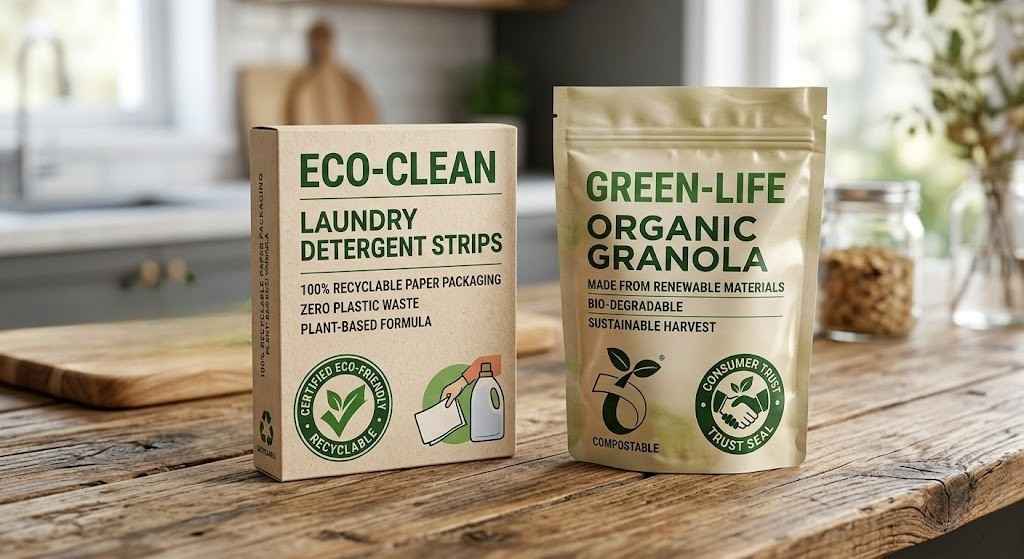
Flexible packaging plays a key role in improving supply chain performance across modern industries. Its lightweight structure helps reduce transportation costs and makes logistics operations more efficient and manageable. This allows companies to move products more smoothly while saving both time and resources.
It also improves storage capacity because it takes up less space compared to rigid packaging. This allows businesses to transport larger quantities of products in a single shipment, improving overall planning and warehouse use. As a result, companies can reduce operational costs while improving delivery speed and overall efficiency.
Barrier protection is essential in flexible packaging to maintain product safety and quality. New technologies are improving the ability of packaging to protect against moisture, oxygen and contamination. Modern recyclable barrier materials are replacing traditional non-recyclable layers. These innovations ensure that packaging remains sustainable while still providing strong protection. This development is especially important for industries such as food and pharmaceuticals where product safety is critical.
Efficient waste collection systems are essential for successful recycling. Many countries are improving their waste management systems to ensure better collection of flexible packaging materials.
At the same time, new sorting technologies are being introduced to separate recyclable materials more accurately. This reduces contamination and improves overall recycling efficiency. As a result, materials can be processed in a cleaner and more reliable way.
Better waste collection systems also encourage more public participation in recycling programs. When collection becomes easier and more accessible, people are more likely to take part. This makes the entire recycling system more effective, sustainable and environmentally friendly.
A major global trend in the packaging industry is the development of bio-based flexible materials. These materials are made from renewable sources such as plants, starch and natural fibers instead of fossil fuels.
Bio-based packaging is gaining attention because it reduces dependence on traditional plastic production. It also supports environmental sustainability by lowering carbon emissions during manufacturing. Many companies are investing in research to improve the strength and durability of bio-based packaging so it can perform as effectively as conventional materials. Although still in development, this trend is expected to grow significantly in the coming years as technology improves and production costs decrease.
Sustainability in packaging is not limited to materials only, it also includes how packaging is produced. Many global packaging manufacturers are now shifting toward renewable energy sources such as solar and wind power in their production facilities.
This change helps reduce carbon emissions during manufacturing processes. It also supports global climate goals by lowering dependence on fossil fuels.
Factories using renewable energy are becoming more common, especially in developed markets. This shift shows that sustainability is now being applied across the entire packaging lifecycle, not just the product itself.
Lightweight packaging has become a crucial focus in global packaging development. The main idea behind this trend is to reduce the amount of raw material used without affecting product safety or quality. Lighter packaging helps lower production costs and improves transportation efficiency.
When packaging weight is reduced, fuel consumption during shipping also decreases. This directly reduces carbon emissions, making the supply chain more environmentally friendly. Many industries such as food, beverages, cosmetics and pharmaceuticals are now shifting toward lightweight flexible packaging systems.
In addition, another benefit is better storage efficiency. Lightweight packaging takes less space, which allows companies to store and transport more products at lower costs.
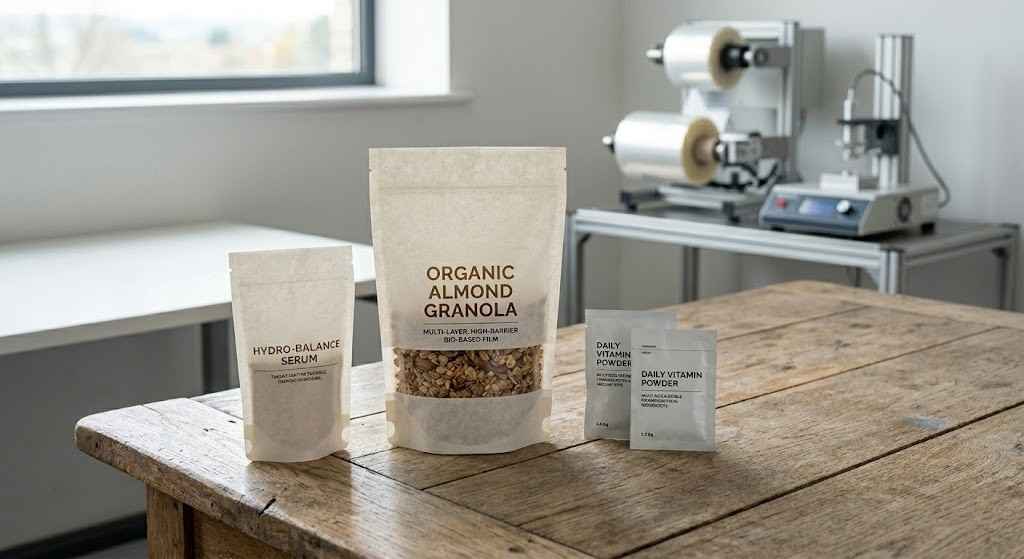
Recyclable flexible packaging is becoming a key solution for modern global industries that aim to balance performance with environmental responsibility. It helps companies reduce waste and improve efficiency while also supporting strict sustainability goals without compromising product safety or quality. As technology continues to advance, this packaging type is expected to become more advanced, cost effective, and widely adopted across different sectors such as food, healthcare and retail.
At the same time, growing environmental awareness and stricter regulations are encouraging businesses to adopt greener practices more quickly. Recyclable flexible packaging is not just a temporary trend but a long term shift in how products are packaged and delivered worldwide. Companies that invest in these solutions today are more likely to remain competitive in the future while also contributing positively to global environmental protection.
Longdapac is one of the leading recyclable flexible packaging manufacturer from China. We have been producing the recyclable pouches from 2020, and it comes out that this is the right choice and it is future trend for the packaging.
Answer: Recyclable flexible packaging refers to lightweight packaging materials that can be reused or processed again after use. It is designed to reduce environmental waste and support sustainable packaging systems across different industries.
Answer: It is becoming popular because it helps reduce plastic waste, lowers transportation costs and supports environmental goals. Many companies are also adopting it due to increasing customer demand for eco-friendly products.
Answer: Industries such as food and beverages, pharmaceuticals, personal care, and household products widely use recyclable flexible packaging due to its safety, flexibility and cost efficiency.
Answer: Initially, it can sometimes be slightly more expensive due to advanced materials and technology. But in the long term, it helps reduce overall costs through efficient production, transportation and waste reduction.
Answer: It helps by reducing plastic waste, lowering carbon emissions and supporting recycling systems. It also promotes a circular economy where materials are reused instead of being discarded.