
Preparing for future packaging regulations involves more than choosing a material labelled as recyclable. Businesses also need to understand how packaging is made, how its different components work together and whether the complete structure meets the relevant requirements. Recyclable Flexible Packaging can support this process when its material structure, barrier performance and intended use are carefully assessed. Early planning also allows businesses to review existing packaging, consult suppliers and identify suitable alternatives before new requirements affect their products.
Recyclable Flexible Packaging is becoming a valuable option for businesses preparing their products for changing European Union (EU) packaging regulations. Packaging choices now require careful consideration of material composition, product protection, recyclability and legal requirements. By selecting suitable recyclable structures, businesses can make informed packaging decisions while maintaining product quality and presentation. Flexible formats, such as mono-material polyethylene (PE) pouches, provide a useful starting point for companies seeking to improve the recyclability of their packaging.
In this blog, we will guide you through how Recyclable Flexible Packaging can help businesses prepare for future EU packaging regulations. We will also discuss material selection, product protection, recyclability assessments, documentation and supplier cooperation to help you make informed packaging decisions.
The EU Packaging and Packaging Waste Regulation (PPWR), Regulation (EU) 2025/40, sets requirements for packaging placed on the European market. It entered into force on 11 February 2025 and has generally applied since 12 August 2026. However, individual requirements follow specific implementation timelines. These rules cover packaging composition, waste prevention, recyclability, recycled plastic content and other aspects of packaging performance.
For businesses selling products in the EU, early preparation can make future packaging decisions easier to manage. Recyclable Flexible Packaging provides an opportunity to review existing material structures and consider alternatives that better support recycling. Companies can start by checking their current packaging specifications, identifying areas for improvement and discussing suitable material options with their packaging suppliers
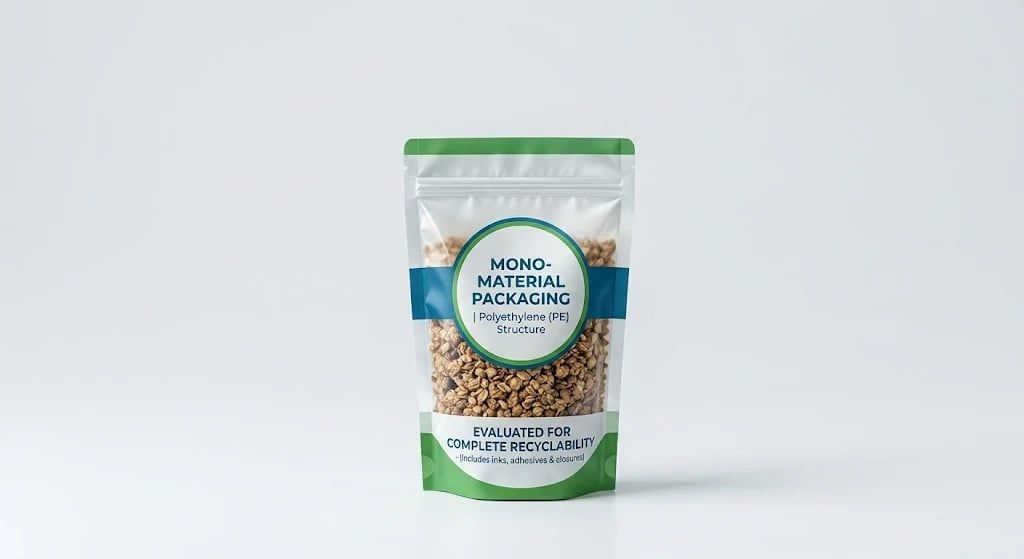
Mono-material packaging uses one main polymer family instead of combining different plastics that may be difficult to separate during recycling. In flexible packaging, polyethylene (PE) and polypropylene (PP) are common options to consider. For instance, a PE-based pouch can use compatible PE layers to provide the required strength, flexibility and product protection.
Recyclable pouches made from a suitable mono-material structure can support material selection and recyclability assessments. However, using one polymer family does not automatically make the entire package recyclable. Adhesives, inks, coatings, closures, and other components can affect its performance during sorting and recycling.
Businesses should therefore assess the complete packaging structure rather than relying on the material name alone. A suitable structure must meet the product’s needs while also being evaluated against applicable EU criteria and relevant recycling systems.
Packaging must protect its contents during filling, storage, transportation and distribution. Any material change intended to improve recyclability should maintain the product’s safety, quality and expected shelf life.
Recyclable Flexible Packaging can use suitable material structures to meet different product requirements. Depending on the application, businesses may assess moisture resistance, oxygen and light protection, sealing performance, and resistance to handling damage. The required level of protection varies by product, so each structure should undergo appropriate testing.
For instance, a food product that is sensitive to moisture may require a stronger moisture barrier than a dry product with less demanding storage needs. Choosing the right structure helps businesses balance product protection with recyclability goals rather than treating them as separate priorities.
Barrier performance is an essential factor when replacing conventional multilayer packaging with a recyclable alternative. Different polymers and barrier technologies offer varying levels of protection against moisture, oxygen and light. Therefore, a material that works well for one product may not meet the requirements of another.
Businesses should identify their products’ specific barrier requirements before approving a new packaging structure. Laboratory testing, shelf-life studies, and packaging trials can help determine whether the proposed material provides the required protection under expected conditions.
Recyclable Flexible Packaging can use carefully selected material structures and compatible barrier solutions where appropriate. However, each coating, additive, or barrier layer should be assessed for its impact on the finished package’s recyclability. This helps businesses ensure that material changes meet product protection needs while supporting recycling goals.
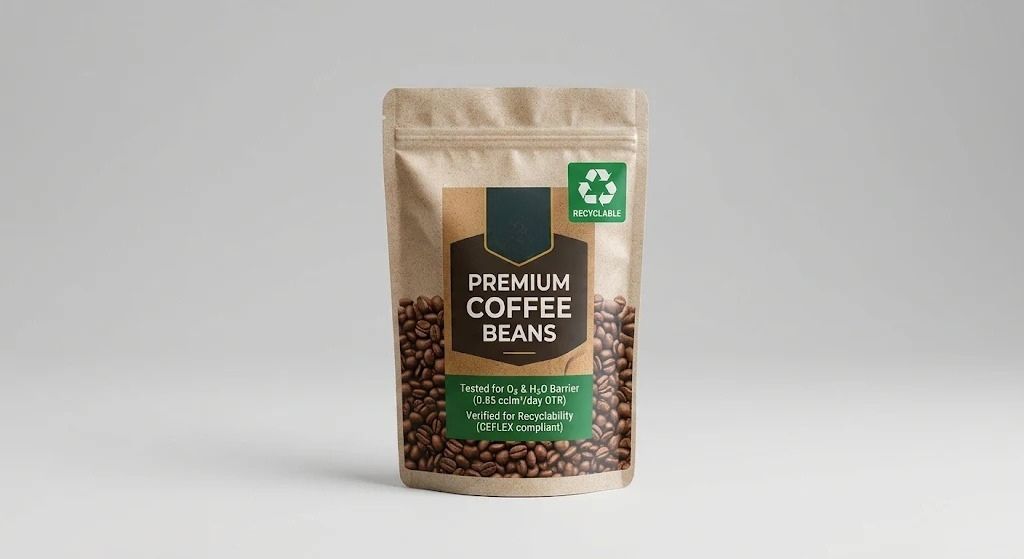
Packaging minimisation is another factor businesses should consider when preparing for EU requirements. The aim is to reduce unnecessary material while maintaining the functions needed to protect, contain, transport and present a product. Flexible packaging provides opportunities to review material use because films and pouches can be produced in different sizes, shapes and thicknesses. However, reducing thickness or removing a layer does not automatically improve packaging performance. Excessive reduction may affect sealing strength, barrier properties, or resistance to damage during distribution.
Businesses should assess material use through practical trials and technical evaluations. Recyclable Flexible Packaging can then be adjusted to achieve a suitable balance between material efficiency, product protection and the requirements that apply to its intended use.
Reliable documentation helps businesses show how their packaging has been developed and assessed. It also improves communication between manufacturers, packaging converters, suppliers and companies responsible for placing products on the EU market.
Useful records may include material specifications, layer structures, technical data sheets, barrier test results, supplier declarations and relevant recyclability assessments. Where applicable, businesses should also keep evidence of recycled content and compliance with restrictions on certain substances under the regulation.
Recyclable Flexible Packaging should be supported by documentation that reflects the actual finished structure. General supplier statements can provide useful background, but they should not replace product-specific evidence when required. Keeping records organised also helps businesses identify outdated specifications when packaging materials change.
Printing allows businesses to display product information, brand details and instructions clearly. When developing Recyclable Flexible Packaging, companies should choose printing methods and inks that suit the packaging structure and its intended recycling process.
The amount of printing, colour choices, coatings and decorative elements can affect recycling performance. Businesses should discuss these factors with their packaging suppliers and check whether the complete printed structure meets the relevant technical requirements.
A suitable printing approach can maintain an attractive appearance while supporting recyclability goals. Recyclable Flexible Packaging can provide clear branding and product information when printing methods and additional components are carefully selected.
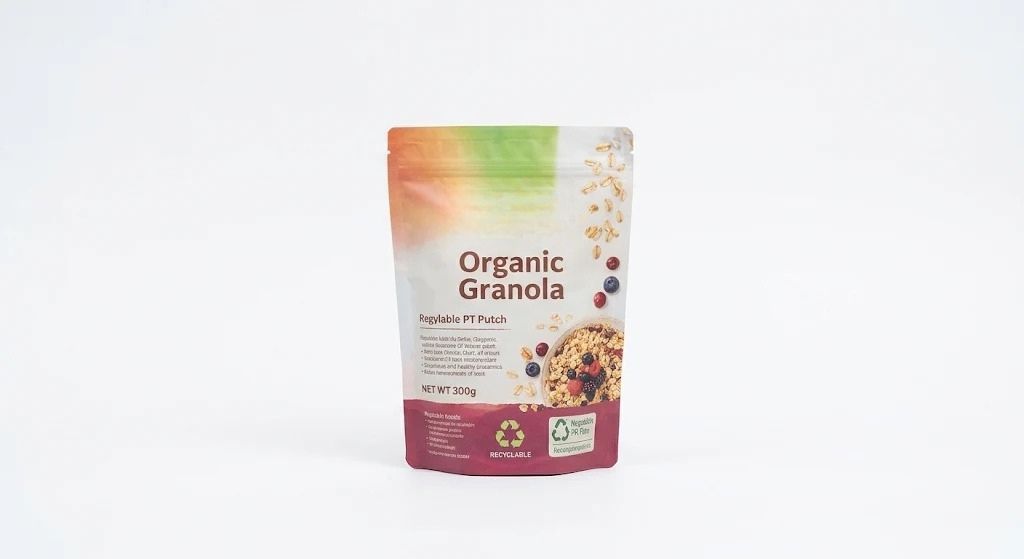
The PPWR introduces packaging requirements in stages. From 1 January 2030, packaging will generally need to meet the applicable design-for-recycling criteria, in line with the timelines set out in the regulation. From 2035, recyclability assessments will also consider whether packaging is recycled at scale, according to the applicable legal timelines. Businesses should monitor official EU updates and assess their packaging against the requirements that apply to their products and markets.
A practical preparation plan can begin with reviewing existing packaging, identifying structures that need further assessment, testing suitable alternatives and confirming documentation with suppliers. Businesses can then assign responsibilities and track progress as additional technical rules become available.
Recyclable Flexible Packaging can support this planning process by encouraging companies to assess their material choices before urgent changes become necessary. The best approach combines early preparation with evidence-based decisions, ensuring that packaging remains suitable for its intended product and is assessed against the requirements applicable to its market.
Recyclable Flexible Packaging should be assessed for compatibility with the recycling systems available in its target markets. Flexible films are lightweight and may behave differently from rigid plastic containers during sorting. Businesses should therefore consider how their packaging will be collected, identified and processed.
The physical properties of packaging can affect how it moves through sorting equipment. Companies should consult relevant recycling guidance to determine whether the proposed structure is suitable for the intended recycling route. This assessment can help identify potential processing challenges before the packaging is approved.
Businesses should also consider the quality of the material after recycling and its suitability for further applications. Recyclable Flexible Packaging should be evaluated using relevant technical evidence rather than polymer type alone. This approach helps businesses make more informed packaging decisions.
Preparing for future EU packaging regulations requires businesses to review their packaging decisions as requirements and technical guidance evolve. A clear strategy can help companies manage changes efficiently while maintaining product quality and production efficiency.
Key Steps to Consider:
Recyclable Flexible Packaging can support this long-term approach by offering material options for businesses to assess as their products and requirements evolve. Regular reviews, technical assessments, and careful planning can help companies make informed packaging decisions and prepare for applicable EU obligations.
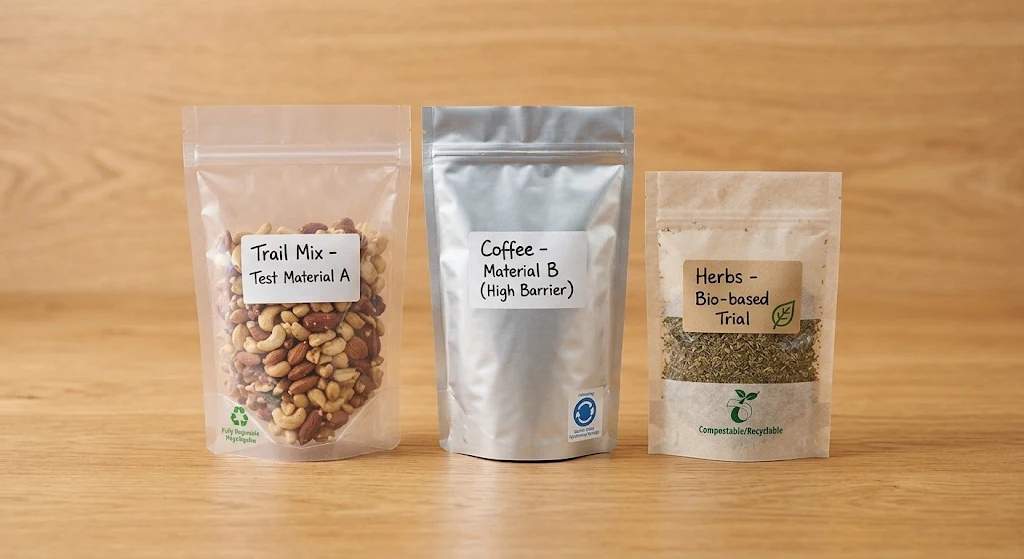
Recyclable Flexible Packaging can help businesses prepare for future EU packaging regulations by offering suitable material options and supporting informed decisions. By assessing material structures, product protection, printing methods, production quality, and recycling compatibility, companies can identify packaging solutions that meet their product needs and applicable regulatory requirements. Working closely with suppliers, maintaining accurate technical records and monitoring official EU updates can further support this process. With careful planning and appropriate testing, Recyclable Flexible Packaging can help businesses make better packaging choices, maintain product quality and prepare for evolving European packaging requirements.
Longdapac is one of the leading recyclable pouches manufacturer in China. Currently the development of recyclable packaging is developing very fast. PPWR from EU states clearly that it will need to get recyclability for the packaging.
Answer: Recyclable Flexible Packaging is made from flexible materials that can be collected, sorted and processed through suitable recycling systems. It includes formats such as pouches, bags and flexible films used for different products. Depending on product requirements, these packages can be made from materials such as polyethylene (PE) or polypropylene (PP). Their recyclability depends on the complete packaging structure, including layers, inks, adhesives, coatings and closures. Businesses should assess the finished package against relevant recycling criteria rather than assuming that a particular material is automatically recyclable.
Answer: Recyclable Flexible Packaging allows businesses to review their existing packaging materials and consider structures that support recycling. Under the EU Packaging and Packaging Waste Regulation (PPWR), companies need to understand the requirements that apply to their products and packaging categories. They can assess material composition, packaging performance and relevant documentation to identify areas for improvement. Early planning also provides time for technical testing, supplier discussions and production trials. However, choosing recyclable packaging alone does not guarantee compliance. Businesses must verify the applicable legal requirements and ensure that the finished package meets them.
Answer: Mono-material structures are widely considered because they mainly use one polymer family, which can support compatibility with suitable recycling processes. For instance, PE-based packaging can use compatible PE layers to provide flexibility, effective sealing and the required level of product protection. This approach can make the material structure easier to assess than packaging that combines different polymers. However, additional components, such as adhesives, inks, coatings and closures, can affect the recyclability of the finished package. Businesses should therefore evaluate the complete structure and confirm its suitability for the intended recycling system before choosing a mono-material solution.
Answer: Yes, Recyclable Flexible Packaging can provide effective product protection when its structure is selected according to the product’s specific needs. Depending on the application, packaging may need to protect against moisture, oxygen, light, and damage during transportation and storage. Suitable materials and barrier technologies can help deliver the required performance while supporting recyclability goals. Businesses should assess these properties through appropriate laboratory testing, packaging trials and shelf-life studies where necessary. The final structure should maintain product quality and reliable sealing performance while fulfilling its intended purpose. Its suitability should be confirmed for each application rather than assumed for every product.
Answer: Businesses should review the complete packaging structure, product protection requirements and recycling systems available in their target markets. They should also check the relevant PPWR provisions, including recyclability, packaging minimisation, recycled plastic content where applicable and documentation requirements. Material specifications, technical test results, and supplier information should remain accurate and up to date. Production trials can help confirm that Recyclable Flexible Packaging performs reliably on existing filling and sealing equipment. By combining technical assessments, supplier cooperation, and regulatory reviews, businesses can make informed decisions and prepare their packaging to meet the requirements applicable to their products.