
The rising demand for sustainable solutions has made packaging a central focus for companies worldwide. As awareness of environmental responsibility grows, businesses are seeking ways to reduce waste and improve the recyclability of their products. Conventional flexible packaging, although popular for its strength and barrier properties, creates significant challenges for recycling. Companies now need to transition to recyclable options without compromising quality, cost and performance.
Moving to recyclable packaging is not only a regulatory or environmental requirement but also a strategic business move. Recyclable packaging helps companies meet consumer expectations, enhance brand reputation and prepare for a future where sustainability shapes market success.
In this blog we will explain how companies can move from conventional flexible packaging to recyclable packaging effectively. We will also cover the main benefits, cost considerations, material types, production planning, supplier selection and strategies to ensure a smooth transition.
Conventional flexible packaging is widely used because it offers strength, durability and excellent barrier properties. But it presents a major challenge: it cannot be recycled. This is because conventional packaging usually consists of multiple films laminated together, such as PET and PE. The mix of different materials makes separation during recycling impossible, leading to increased waste generation.
Despite its strong protective properties and cost-effectiveness, conventional flexible packaging is increasingly viewed as environmentally unsustainable. Companies using these materials face growing pressure from regulators, consumers and sustainability initiatives to adopt alternatives that are easier to recycle.
Recognizing these challenges is the first step toward a successful transition. Companies need to understand that recyclability is not possible with multi-material laminated structures, making the switch to mono-material packaging essential.
Recyclable flexible packaging overcomes the environmental drawbacks of conventional packaging. It uses mono-material layers, such as PE/PE or PP/PP, so all layers are made from the same material. This makes the packaging fully recyclable while maintaining durability.
It is important to understand that mono-material does not mean single-layer packaging. Recyclable packaging can still have multiple layers for strength and barrier performance, but all layers must be made from the same type of film.
By using recyclable materials, companies can protect their products, reduce environmental impact and meet consumer demand for sustainable solutions.
Recyclable flexible packaging offers several major advantages over conventional packaging:
Although recyclable options used to be more expensive and had lower barrier performance, technological advancements now allow them to meet nearly 99% of barrier requirements while remaining cost-competitive.
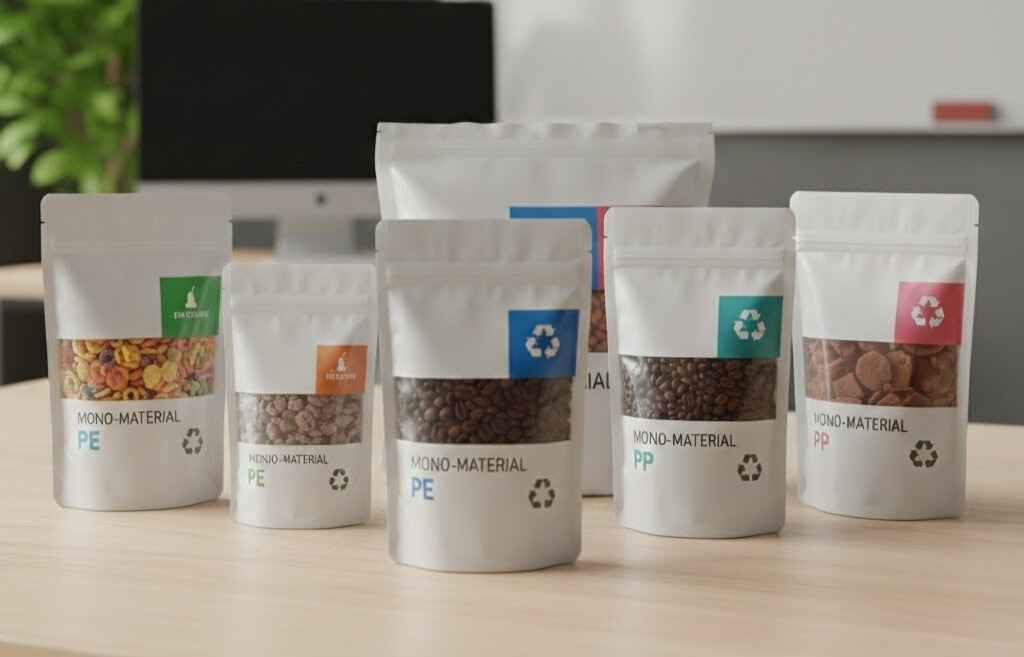
Most recyclable flexible packaging uses two primary materials:
The choice of material depends on the product type, storage conditions and shelf-life requirements. Choosing the right material ensures a balance between performance, recyclability and cost.
Cost is often a concern when shifting to recyclable packaging. Mono-material solutions were initially more expensive than conventional laminated films. But due to technological advancements and higher demand, costs have decreased significantly while making recyclable packaging an affordable option.
Companies should consider:
Careful cost analysis ensures a seamless transition while maintaining overall profitability.
Protecting products from moisture, oxygen and contaminants is crucial. Early recyclable packaging offered lower barrier performance, which limited its applications.
Recent innovations have enhanced performance, enabling recyclable packaging to meet nearly 99% of product protection requirements. Companies should perform regular testing and quality checks to ensure consistency and maintain consumer trust.
A seamless transition requires working with experienced suppliers offering:
Strong relationships with suppliers reduce risks, maintain quality and support a smooth implementation process.
Moving to recyclable packaging begins with reviewing current production processes. Companies should identify areas where conventional flexible packaging is used, keeping in mind that these materials are not recyclable. This helps ensure that changes are focused and effective.
Recyclable materials should be tested on the production line. Machinery, handling or storage may need adjustments, and staff should be trained to manage recyclable packaging correctly to preserve its quality and recyclability.
In addition, a step-by-step plan ensures a smooth transition. Gradually introducing recyclable packaging helps maintain efficiency, protect products and achieve sustainability goals while moving away from non-recyclable materials.
Consumer participation plays an important role in the success of recyclable packaging.
Companies should:
Informed consumers are more likely to recycle, boosting the brand’s environmental impact.
Flexible packaging is available in different types, and understanding the main differences helps companies make informed choices.
The table below shows the primary distinctions between conventional and recyclable flexible packaging.
Feature | Conventional Flexible Packaging | Recyclable Flexible Packaging |
Material Structure | Multi-material laminated, such as PET/PE | Mono-material laminated, such as PE/PE |
Recyclability | Not recyclable | Supports recycling |
Cost | Lower | Slightly higher initially, now comparable |
Barrier Performance | High | Almost equal (99% of requirements) |
Environmental Impact | High waste, non-recyclable | Sustainable, supports recycling |
Consumer Appeal | Moderate | High |
Supplier Requirements | Standard | Requires experience with recyclable materials |
This comparison demonstrates that recyclable flexible packaging delivers strong product protection while promoting recycling and sustainability. Although initial costs may be slightly higher, it provides long-term environmental and business benefits.
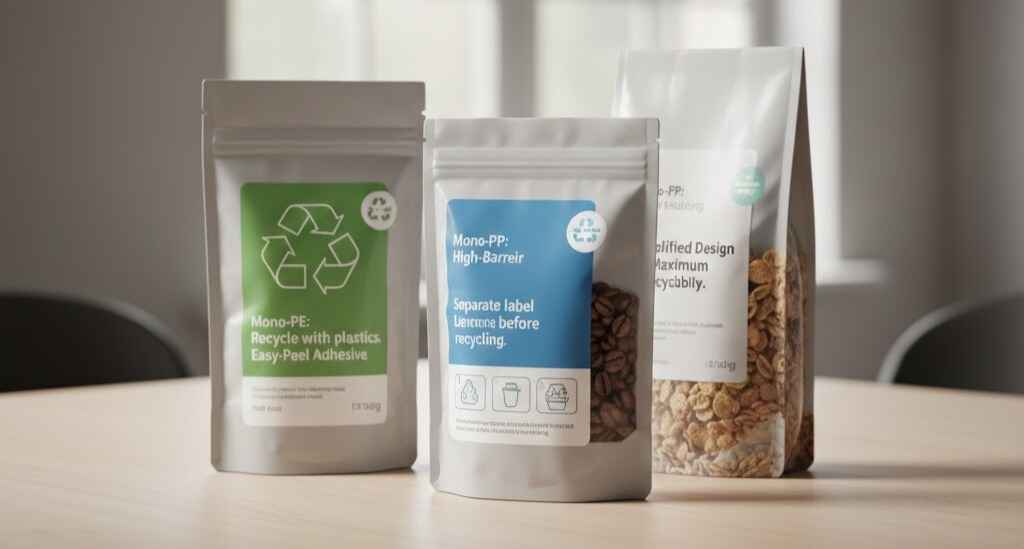
Design plays an important role in making packaging recyclable.
Companies should consider:
Thoughtful design reduces recycling contamination and improves overall material recovery rates. It also helps communicate environmental responsibility to consumers.
Moving to recyclable packaging requires more than technical changes, it involves the entire organization. Employees at all levels need to understand why the shift is important and how it affects operations. From production staff handling new materials to marketing teams communicating the benefits, proper training ensures everyone is aligned with the company’s sustainability goals.
Effective training programs can include workshops, hands-on demonstrations and informational resources. Production staff should learn proper handling techniques for recyclable materials to prevent damage and contamination. Marketing and sales teams need to understand the environmental benefits to communicate them accurately to customers.
Involving employees in the process builds a sense of ownership and responsibility. When staff understand the environmental and business benefits of recyclable packaging, they are more likely to follow best practices and support the company’s transition efforts.
Before making the transition, companies should analyze their current packaging requirements. Each product has specific needs based on shelf life, protection and storage conditions.
By carefully reviewing their products, companies can determine which items are suitable for recyclable flexible packaging and which may need performance adjustments. This ensures the transition is focused and efficient.
Before moving to recyclable packaging, companies should set clear sustainability goals. These goals serve as a roadmap for decision-making and help align all departments toward the same objectives. For instance, a company may aim to reduce packaging waste by a certain percentage or increase the use of recyclable materials across its product lines.
Making measurable goals ensures progress can be tracked over time. It also helps companies identify areas that need extra attention, such as choosing the right materials, improving production processes or enhancing consumer education. Clear goals make the transition organized and effective.
In addition, clear sustainability goals strengthen a company’s brand image and credibility. When communicated effectively, these goals show a commitment to environmental responsibility and attract eco-conscious consumers who increasingly prefer sustainable brands.
Once the needs are assessed, companies must select suitable materials.
Material selection must balance cost, sustainability and product protection to achieve the best results.
New recyclable materials should undergo thorough testing to ensure they meet product protection standards.
Steps include:
Implementing thorough testing ensures that moving to recyclable packaging does not compromise product quality.
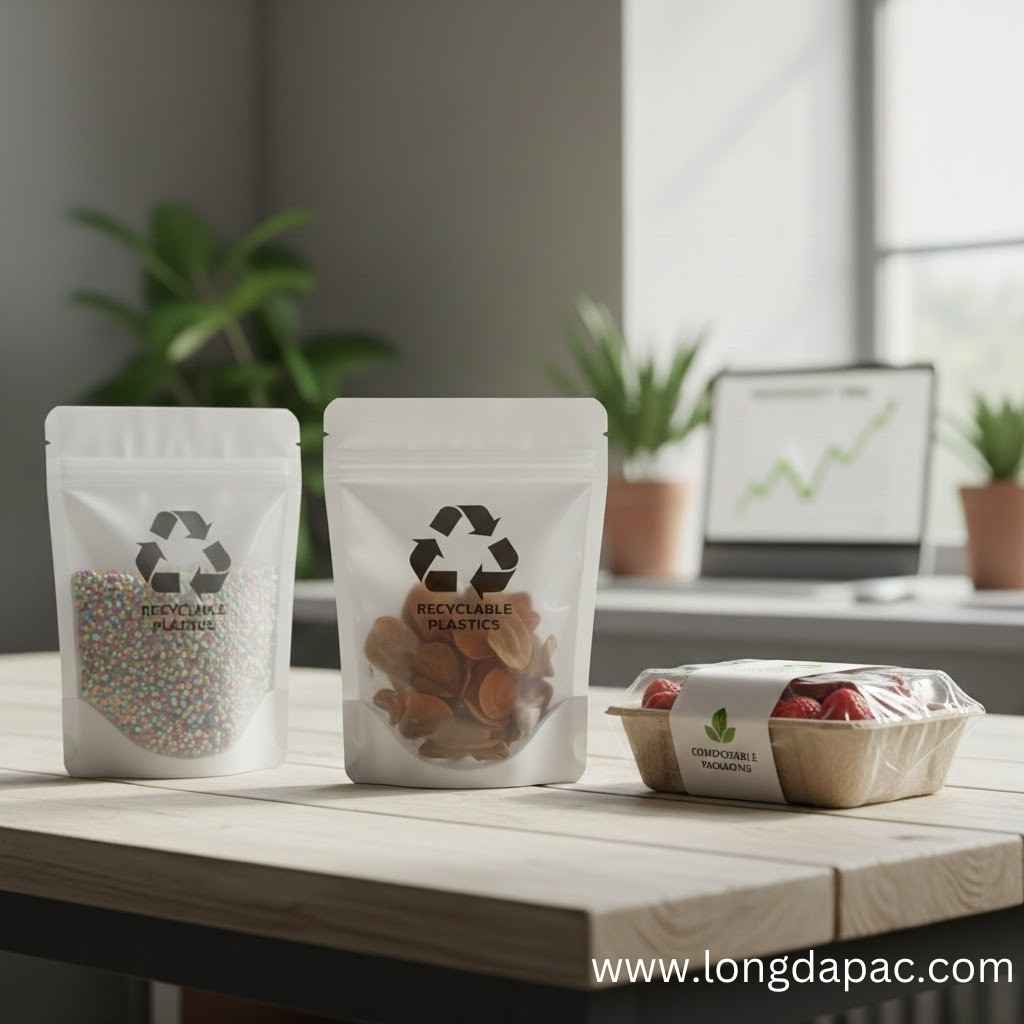
Communicating the transition to recyclable packaging is essential for strengthening brand image. Companies should clearly indicate that the packaging is recyclable and guide consumers on proper disposal. This transparency builds trust and highlights the brand’s commitment to sustainability.
Marketing teams can use multiple channels, including packaging labels, websites and social media campaigns, to inform customers about the environmental benefits. Educating consumers encourages participation in recycling programs and increases the impact of sustainable packaging initiatives.
In addition, promoting these efforts demonstrates the company’s proactive approach to reducing environmental impact. Clear communication of sustainability initiatives not only attracts eco-conscious consumers but also sets the brand apart in a competitive market.
Switching to recyclable packaging affects the entire supply chain. Companies need to collaborate closely with suppliers experienced in mono-material recyclable packaging to ensure consistent quality and availability. Procurement processes may need adjustments to match new material specifications.
Inventory management should also be adapted to meet the handling and storage requirements of recyclable materials. Improper storage can damage materials and reduce recyclability. Transportation processes should be optimized to prevent damage during transit and maintain the protective qualities of the new packaging.
A carefully planned supply chain ensures recyclable packaging is delivered efficiently, meets quality standards and minimizes waste. These adjustments support a smooth transition, prevent operational disruptions and promote environmental responsibility throughout the logistics process.
Once recyclable packaging is implemented, companies should monitor its impact. Main indicators include the percentage of recyclable materials used, reduction in packaging waste, and improvements in recycling rates. Regular feedback from employees and consumers helps identify challenges and make necessary adjustments.
Continuous monitoring ensures the packaging maintains its protective function while staying sustainable. By analyzing data and making improvements, companies can optimize their packaging strategy, strengthen sustainability practices, and reinforce the brand’s commitment to environmentally responsible solutions.
Moving from conventional flexible packaging to recyclable packaging is important for companies aiming for sustainability. Conventional materials, like PET/PE, cannot be recycled, leading to waste and environmental challenges. Recyclable flexible packaging made from mono-material layers, such as PE/PE or PP/PP, provides protection and barrier performance while being environmentally friendly. By planning production, choosing the right materials, training employees, and educating consumers, a company can reduce environmental impact, strengthen its brand and achieve sustainability goals effectively.
Answer: Conventional flexible packaging is made from multiple laminated materials, such as PET/PE, which cannot be recycled. Recyclable flexible packaging uses mono-material layers, such as PE/PE or PP/PP, making it fully recyclable while still providing strong product protection.
Answer: Recyclable packaging was initially more expensive due to limited technology and production capacity. With advances in material technology and wider adoption, costs have decreased, making it comparable to conventional packaging.
Answer: Most products can transition to recyclable packaging, but it depends on their barrier and durability needs. Sensitive products may require testing to ensure recyclable materials offer sufficient protection. Companies should evaluate each product individually.
Answer: Yes. Modern recyclable flexible packaging achieves nearly 99% of the barrier performance of conventional packaging, protecting products effectively while remaining sustainable.
Answer: Clear labeling, consumer education and marketing communication are essential. Companies should provide disposal instructions and highlight the recyclable nature of the packaging to promote proper recycling practices.