
Consumers are becoming more conscious of environmental issues and increasingly choose products that reflect sustainable values. This awareness is shaping purchasing decisions and encouraging manufacturers and brands to revise their packaging strategies. Companies are now expected to implement solutions that reduce environmental impact and follow eco-friendly practices.
Recyclable flexible packaging has become an essential component of modern product delivery because of its convenience, efficiency and protective qualities. It is widely adopted across industries as it ensures safe storage, transport and maintains product quality. Traditional flexible packaging was often criticized for its environmental impact as it was not recyclable, showing the need for more sustainable alternatives.
In this article, we will explain how consumer behavior is driving the shift toward recyclable flexible packaging. We will also cover the main factors influencing consumer decisions, how expectations are evolving, and why recyclable mono-material packaging is becoming a preferred choice in the market.
Consumers today are increasingly aware of environmental challenges. With widespread information on pollution, waste management and sustainability, people are making more responsible purchasing decisions. This awareness has created strong demand for packaging that reduces environmental impact.
Many buyers now consider if packaging is recyclable before choosing a product. They prefer brands that demonstrate a clear commitment to sustainability. This shift is not limited to one region but is becoming a global trend across various markets.
As a result, companies are adopting recyclable flexible packaging made from mono-material structures. This approach meets consumer expectations while effectively addressing environmental concerns.
Modern consumers no longer focus only on price and quality. Sustainability has become a key factor in their decision-making. People are more likely to support brands that use environmentally responsible packaging.
This change is shaping how products are positioned in the market. Packaging is not just a protective layer but also a reflection of a brand’s values. Recyclable flexible packaging enables companies to demonstrate their commitment to sustainability in a clear and practical way.
In many cases, consumers are even willing to pay slightly higher prices for products with recyclable packaging. This demonstrates the strong demand for sustainable solutions.
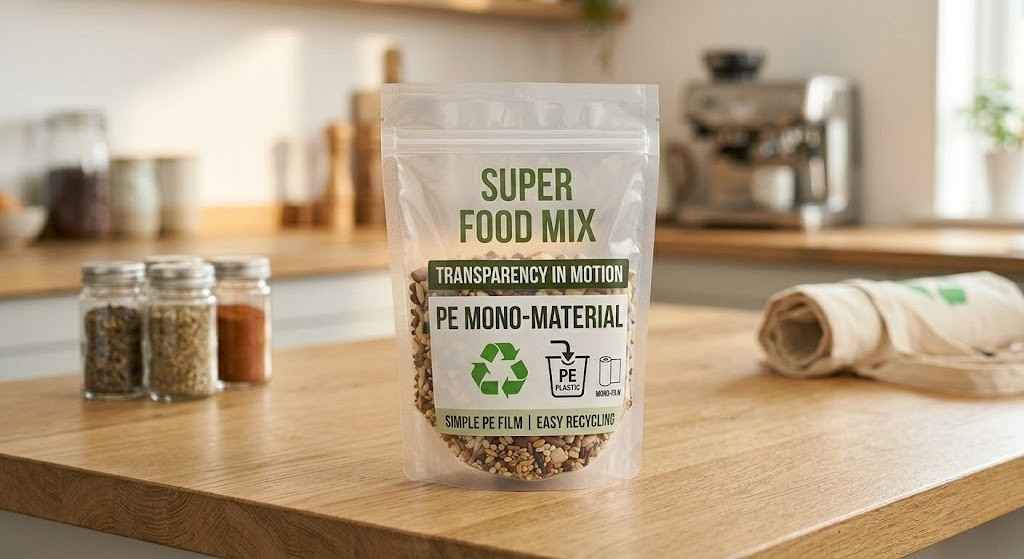
Consumers now expect brands to be transparent about the materials used in their packaging. They want clear information if a package is recyclable and guidance on proper disposal.
This demand for transparency has encouraged companies to simplify their packaging designs. Mono-material packaging, such as PE-based solutions, is easier to explain and understand than complex laminated structures made from multiple films.
Clear labeling and honest communication help build trust between brands and consumers. Recyclable flexible packaging supports this transparency by providing a simple and easy-to-understand structure
Consumers look for solutions that are both sustainable and convenient. They want environmentally friendly options without compromising on usability or product quality.
Recyclable flexible packaging meets this need by providing the same convenience as conventional packaging. It is lightweight, easy to handle and effective in protecting products. Mono-material structures also make the packaging easier to recycle after use. This combination of practicality and sustainability makes it a preferred choice for modern consumers.
Consumer expectations have moved beyond basic product quality. People now want brands to take responsibility for their environmental impact and support sustainable practices.
This change is encouraging manufacturers to redesign their packaging solutions. Recyclable flexible packaging helps companies meet these expectations without compromising performance.
Brands that adopt sustainable packaging are more likely to build long-term relationships with their customers. It fosters trust and reliability that extend beyond the product itself.
Plastic waste has become a significant concern for consumers worldwide. Many are aware of the challenges of managing non-recyclable materials and their environmental impact.
Traditional flexible packaging, made from multiple laminated films, adds to this problem because it is difficult to recycle. This has increased demand for alternatives that support better waste management.
Recyclable flexible packaging, particularly mono-material PE structures, provides a more sustainable solution. It can be processed and reused, helping to reduce the overall waste burden.
Eco-conscious consumers are driving change in the packaging industry. They actively choose products that reflect their environmental values and influence others to do the same.
Their preferences are shaping market trends and encouraging companies to invest in sustainable packaging solutions. Recyclable flexible packaging is becoming increasingly popular as it meets the expectations of this growing consumer segment.
As more people adopt eco-friendly habits, the demand for recyclable packaging continues to rise, accelerating the shift away from conventional non-recyclable materials.
Retailers play a significant role in shaping packaging decisions by setting clear sustainability requirements for the products they sell. Many large retail chains now favor products that use recyclable flexible packaging because it supports their environmental goals and enhances their brand image.
This influence is encouraging manufacturers to move away from conventional laminated packaging, which cannot be easily recycled due to multiple film layers. Retailers are focusing on packaging solutions that are easier to manage in recycling systems, making mono-material structures more appealing.
Major benefits include:
As retailers continue to prioritize sustainability, recyclable flexible packaging is becoming a standard requirement rather than an optional feature.
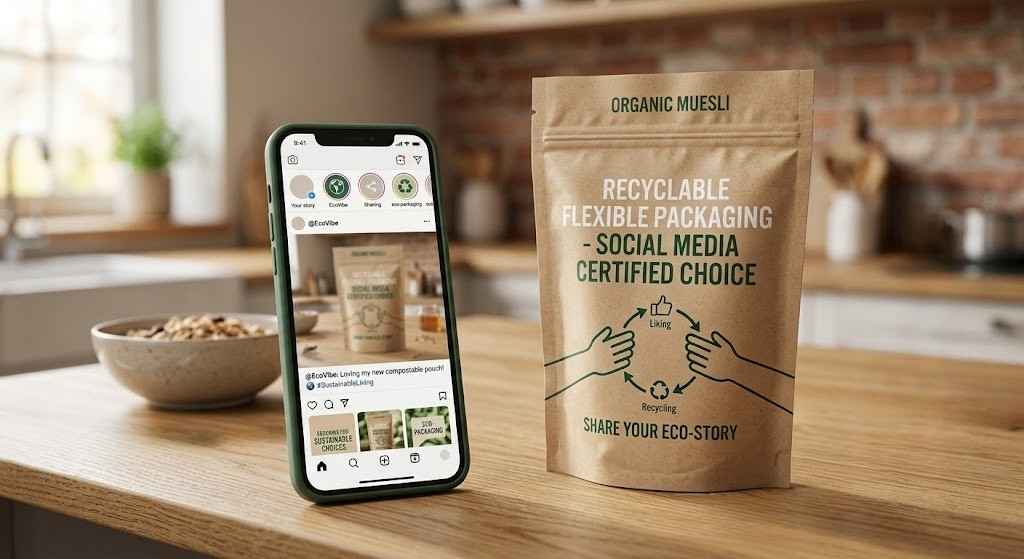
Social media platforms play a significant role in raising awareness about environmental issues. Information on plastic waste and sustainability reaches a wide audience quickly, shaping public opinion and influencing consumer behavior.
Consumers often share their experiences with sustainable products, creating a ripple effect that encourages more people to make conscious choices. Brands that do not meet these expectations may face criticism or negative attention.
Recyclable flexible packaging helps brands maintain a positive image in this context. It demonstrates that they are meeting modern expectations and taking responsibility for their environmental impact.
Understanding the difference between conventional and recyclable flexible packaging helps show why consumers prefer recyclable packaging.
Feature | Conventional Flexible Packaging | Recyclable Flexible Packaging |
Material Structure | Multiple different films (PET/PE) | Mono material (PE/PE or PP) |
Recyclability | Not recyclable | Recyclable |
Sustainability | Low | High |
Cost | Traditionally lower | Now becoming similar |
Barrier Performance | High | Nearly equal (meets most needs) |
This comparison demonstrates that recyclable packaging has improved greatly in recent years, offering similar performance while delivering environmental benefits.
Sustainable packaging is important in building consumer trust. When brands use recyclable flexible packaging, it shows a commitment to responsible practices.
Consumers are more likely to stay loyal to brands that share their values. Recyclable packaging creates a positive image and strengthens the connection between the brand and its customers.
Over time, this trust leads to long-term customer relationships and a stronger market position. As consumer expectations continue to evolve, sustainable packaging will remain a key factor in brand success.
Government regulations are becoming stricter regarding packaging waste and environmental responsibility. Many countries are introducing rules that restrict the use of non-recyclable materials and promote sustainable alternatives.
This regulatory pressure is prompting companies to rethink their packaging strategies. Conventional flexible packaging, made from mixed materials, does not meet modern recycling standards and is being gradually phased out in many regions.
Recyclable flexible packaging made from mono-material structures aligns better with these regulations. It helps companies stay compliant, avoid penalties and support long-term sustainability goals.
Brand image is increasingly tied to environmental responsibility. Companies are now evaluated not only by their products but also by the environmental impact of their packaging, making sustainable packaging a vital part of brand identity.
Recyclable flexible packaging enables brands to appear responsible and forward-thinking. It shows that they are addressing consumer concerns and taking action to reduce environmental impact. This positive perception can influence customer decisions and strengthen market positioning.
Key benefits include:
In a competitive market, brands that use recyclable packaging are more likely to stand out and maintain a strong connection with their audience.
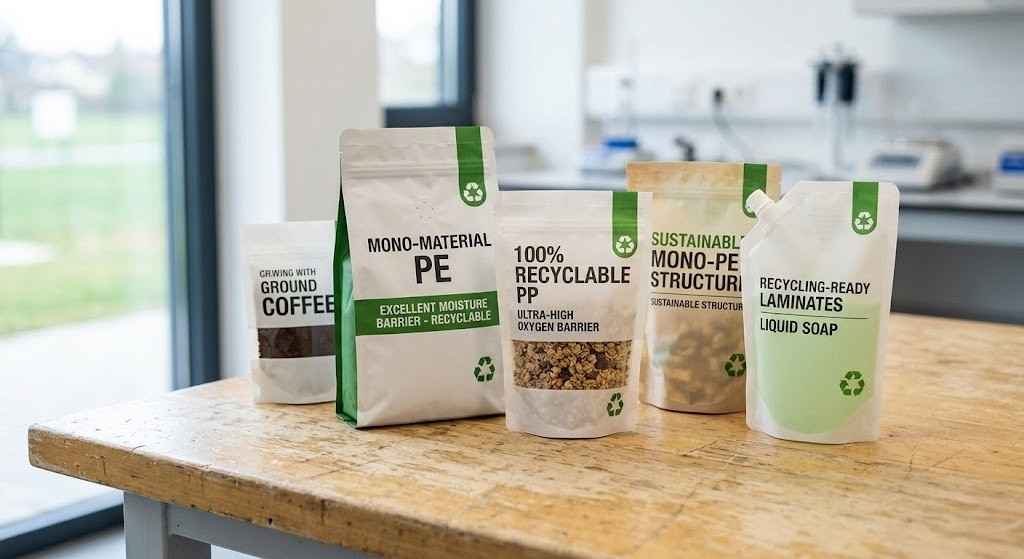
Advances in technology have greatly improved the performance of recyclable flexible packaging. Earlier concerns about barrier properties and durability have largely been resolved through modern innovations.
New processing techniques enable mono-material PE and PP structures to provide strong protection against moisture, oxygen and other external factors. This ensures product quality is maintained without using mixed-material laminations.
As technology continues to progress, recyclable packaging is becoming more efficient and reliable. It now meets nearly all functional requirements, making it a practical alternative to conventional non-recyclable packaging.
Cost has always been an important factor in packaging decisions. In the past, recyclable flexible packaging was often more expensive than conventional options, which limited its adoption.
Recent developments have significantly reduced this gap. Improved production processes and growing demand have made mono-material packaging more cost-effective. The difference in cost is now minimal, making it easier for companies to make the switch.
As recyclable packaging becomes more competitive in price, it is no longer viewed as a premium option. Instead, it is becoming a standard solution that balances cost, performance and sustainability.
Education plays an important role in shaping consumer behavior. Awareness campaigns and informational content help people understand the importance of recyclable packaging and its environmental benefits.
Many organizations and brands are investing in teaching consumers about proper disposal methods and the advantages of mono-material packaging. This knowledge promotes responsible behavior and increases participation in recycling systems.
As consumers become better informed, their expectations continue to grow. This creates a positive cycle where demand for recyclable packaging rises, encouraging more companies to adopt sustainable solutions.
The shift toward recyclable flexible packaging is also affecting supply chain operations. Companies are adjusting their sourcing, production, and distribution processes to support mono-material structures and enhance sustainability.
This transformation requires close coordination between suppliers, manufacturers and logistics providers. Each stage of the supply chain must align with the goal of reducing environmental impact and supporting recyclable materials.
These include:
As supply chains continue to adapt, implementing recyclable flexible packaging on a larger scale is becoming increasingly practical.
The future of packaging is moving toward solutions that combine performance with sustainability. Recyclable flexible packaging is emerging as a leading option because it meets both environmental and functional requirements.
Continuous advances in material science and production technology will further improve its capabilities, making mono-material packaging even more efficient and widely used across industries.
In addition, the shift from conventional non-recyclable packaging to recyclable flexible packaging is expected to speed up. As consumer demand, regulations, and industry practices align, recyclable packaging will play a central role in shaping the future of the packaging industry.
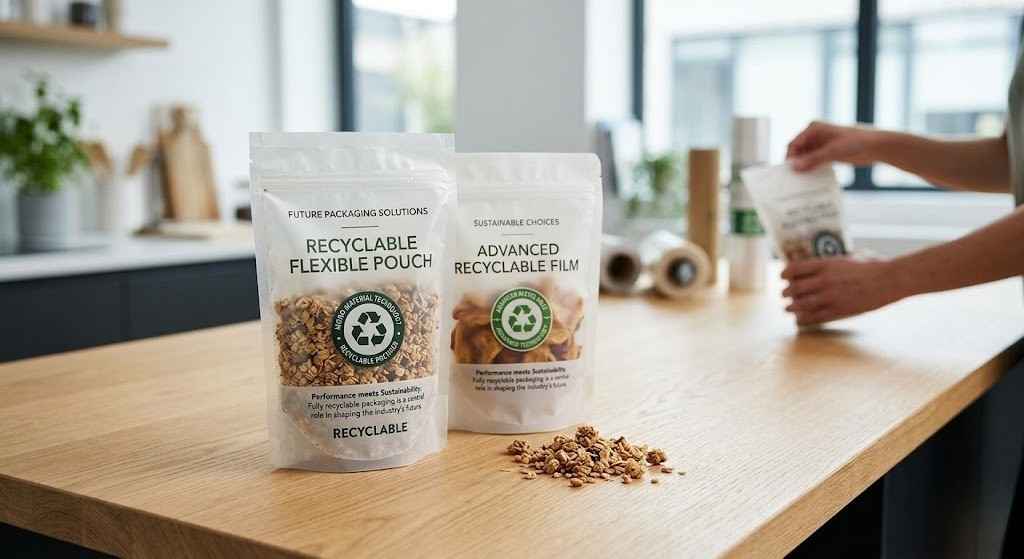
Recyclable flexible packaging is becoming the preferred choice as consumer demand shifts toward sustainability and responsible material use. Conventional flexible packaging was not recyclable due to mixed film structures, but mono-material solutions now provide a practical alternative that supports recycling systems. Improvements in cost and performance have made this packaging suitable for most applications without affecting quality. As awareness grows and expectations rise, recyclable flexible packaging is set to play an important role in the future of the packaging industry.
LongdaPac is the one of the leading recyclable flexible packaging manufacturer in China. Besides our cooperation sustainability strategy, it is the consumer requirements push us to develop more recyclable packaging.
Answer: Recyclable flexible packaging is made from mono-material layers, such as PE or PP, which can be processed and reused in recycling systems.
Answer: It was made from different films laminated together, such as PET/PE, which cannot be easily separated for recycling.
Answer: The cost difference has decreased significantly. Modern recyclable packaging is now almost the same price as conventional options.
Answer: Yes, modern mono material packaging provides strong barrier performance and meets most protection requirements.
Answer: It meets consumer demand for sustainability, complies with environmental regulations and delivers practical performance, making it a long-term solution for packaging.