
Today, the packaging industry is experiencing a major shift as businesses are reconsidering the materials used for protecting and delivering products. Traditional plastic packaging has remained dominant for many years due to its low cost, simple production process and wide availability. However, growing concerns about environmental damage and long-term waste buildup are pushing industries to explore more sustainable alternatives that still offer durability without harming the environment.
Recyclable flexible packaging is emerging as one of the most practical solutions in this transition. It is designed to reduce material usage while still maintaining strength and product protection. Many companies are now gradually shifting from conventional plastic packaging to flexible recyclable options because they aim to balance performance with environmental responsibility.
In this blog, we will guide you through how recyclable flexible packaging is replacing traditional plastic packaging across different industries. We will also explore its development, key benefits, environmental impact, cost advantages, and the reasons behind its growing global adoption in a simple and clear way.
Flexible packaging is designed in a way that allows it to easily adapt to different shapes and product types. Unlike rigid packaging, it uses less raw material while still maintaining strength and protection. This makes it highly efficient for both manufacturers and end users.
Another key feature is its lightweight structure, which improves handling and reduces transportation effort. Since it occupies less space, more units can be stored and transported efficiently. This results in better logistics performance and cost savings for businesses.
Flexible packaging also provides strong customization options, allowing companies to design packaging according to product requirements. This adaptability makes it suitable for multiple industries where packaging needs vary significantly.
One of the most significant improvements in modern packaging design is the increased focus on recyclability. Earlier packaging materials often consisted of mixed layers that were difficult to separate during recycling processes. This created challenges for waste management systems and lowered recycling efficiency.
Today, manufacturers are moving toward single-material structures that are easier to process. These designs help reduce contamination and make it simpler for recycling facilities to recover usable materials. This improvement greatly enhances the overall effectiveness of recycling systems.
Recyclable flexible packaging is developed with these advancements in mind. It supports cleaner recycling streams and helps reduce the volume of waste ending up in landfills, making it a more sustainable choice for modern industries.
Recyclable flexible packaging plays an important role in reducing environmental pressure caused by excessive plastic waste. It helps reduce landfill accumulation by promoting the use of recyclable materials. This contributes to cleaner surroundings and improved waste management systems.
Its production process also tends to generate lower carbon emissions compared to traditional plastic packaging. This reduction in energy consumption makes it more aligned with global environmental goals and climate improvement efforts.
In practical use, this type of packaging supports long-term sustainability by encouraging recycling practices and reducing dependence on single-use plastic materials.
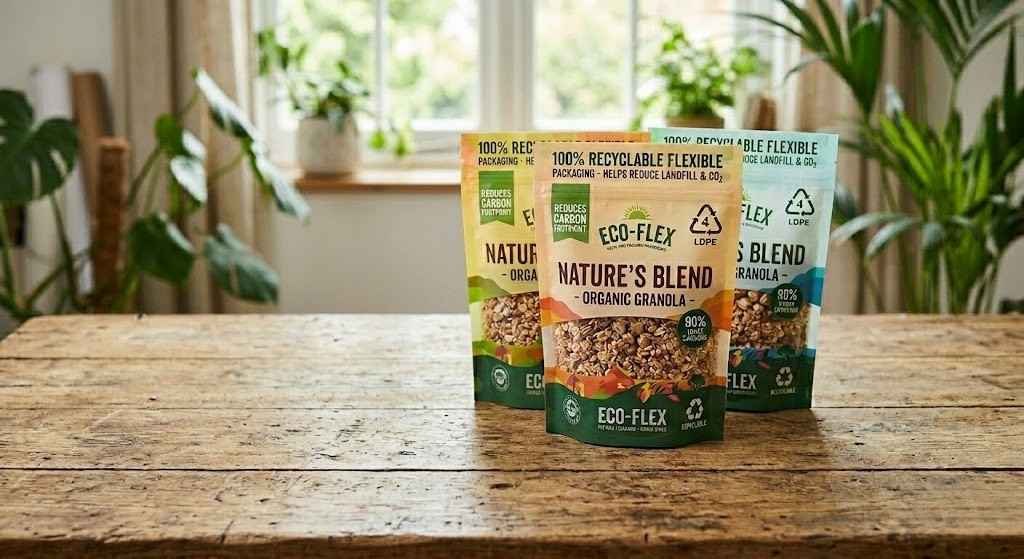
Cost efficiency is one of the key reasons behind the growing popularity of recyclable flexible packaging. It requires less raw material compared to traditional packaging, which directly reduces manufacturing costs. This makes it a cost-effective solution for large-scale production.
Transportation costs are also reduced because flexible packaging is lightweight and takes up less space. Companies can transport more products in a single shipment, which improves logistics efficiency and lowers fuel consumption. These savings are significant for businesses operating on a global scale.
Over time, these cost advantages make recyclable flexible packaging not only an environmentally responsible choice but also a financially smart option for manufacturers and suppliers.
Consumer behavior has changed significantly, with more people preferring environmentally responsible products. Packaging has become an important factor influencing purchasing decisions, especially among environmentally conscious buyers.
Brands that use sustainable packaging are often perceived as more responsible and modern. This strengthens their reputation and builds greater trust with customers. On the other hand, companies that ignore these changes may find it difficult to remain competitive.
This shift in consumer expectations is one of the strongest drivers behind the adoption of recyclable flexible packaging across different industries.
Recyclable flexible packaging is increasingly evaluated alongside traditional plastic packaging in terms of regulatory compliance and environmental standards. Governments and international organizations are encouraging industries to use materials that reduce environmental impact and support recycling systems. In this situation, recyclable packaging is receiving greater acceptance because it better aligns with modern sustainability regulations compared to conventional plastic packaging systems.
The table below explains how both packaging types perform under key regulatory and compliance factors that are important for industries operating within today’s strict environmental system.
Factor | Traditional Plastic Packaging | Recyclable Flexible Packaging |
Environmental Regulations | Faces increasing restrictions | Fully aligned with modern standards |
Material Structure Approval | Difficult due to mixed layers | Easier due to simple design |
Recycling Compliance | Limited efficiency | High recycling compatibility |
Policy Acceptance | Gradually declining | Strong global support |
Long-term Regulatory Risk | High risk of limitations | Low risk and future-ready |
Recyclable flexible packaging clearly shows better compliance performance compared to traditional plastic packaging. Its simple material structure and improved recyclability make it more suitable for current and future environmental regulations. This benefit is encouraging industries to adopt it more widely as regulations continue to become stricter across global markets.
Modern manufacturing technology has played a major role in improving packaging quality. Advanced production systems provide better control over material strength, sealing and durability. This ensures that recyclable flexible packaging meets industry standards.
Automation has also increased production speed and reduced errors. This helps companies maintain consistency while scaling up production efficiently. It also lowers overall operational costs.
These technological advancements have made recyclable flexible packaging more reliable and widely accepted in global markets.
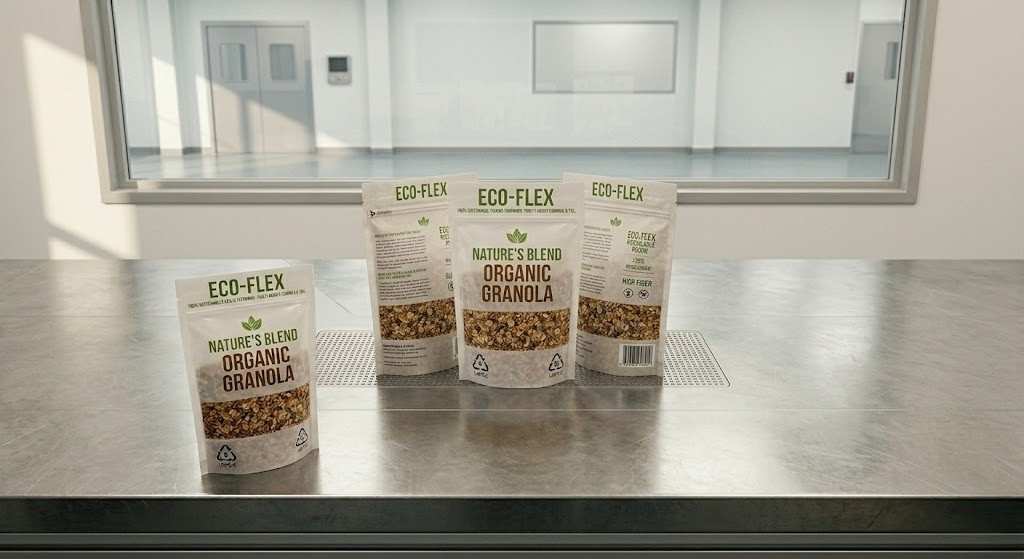
Different industries are now adopting recyclable flexible packaging at different speeds based on their product requirements. Sectors such as food, healthcare and personal care are leading this shift because they need safe, lightweight, and efficient packaging solutions.
Each industry is customizing flexible packaging according to product safety and storage needs. This flexibility allows companies to maintain product quality while reducing environmental impact.
As adoption grows, recyclable flexible packaging is becoming a standard choice rather than an alternative option in many markets.
Recyclable flexible packaging is becoming more popular, but there are still some practical challenges in its adoption. One of the main issues is the initial investment required to switch production systems. Many companies need to upgrade machinery and processes, which can be expensive.
Another challenge is the availability of standardized recycling systems in different regions. Some areas do not have advanced recycling infrastructure, which makes it difficult to process recyclable materials effectively. This limits the overall impact of sustainable packaging efforts.
There is also a need for better awareness and training within industries. Employees and supply chain partners must understand how to handle and process these materials correctly to ensure maximum efficiency and sustainability benefits.
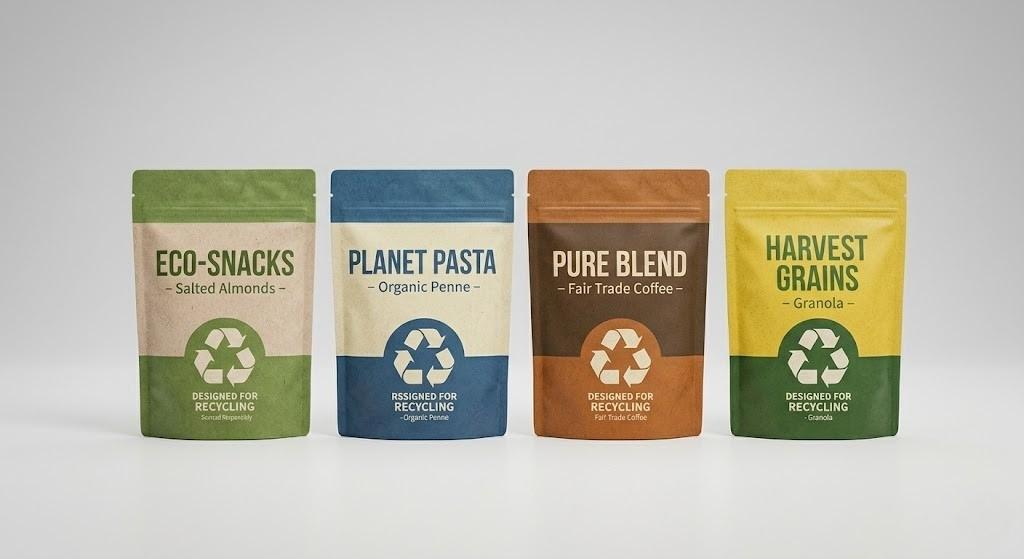
Material innovation is playing a major role in the development of recyclable flexible packaging. Scientists and manufacturers are continuously working to improve film structures that offer greater strength while remaining easy to recycle. These innovations are helping packaging become more advanced and efficient.
New generation films are designed using improved polymers that reduce environmental impact while maintaining product protection. These materials are engineered to perform under different temperature and storage conditions, making them suitable for multiple industries without compromising quality.
Research is also focused on developing mono-material structures that remove complex layering. This makes recycling simpler and improves material recovery rates, which supports the development of a more efficient circular system in the packaging industry.
The market for recyclable flexible packaging is expanding rapidly as more industries recognize its long-term benefits. Demand is increasing across global markets, especially in sectors that require efficient and lightweight packaging solutions. This growth is expected to continue in the coming years.
Companies are investing heavily in scaling production capabilities to meet rising demand. Manufacturers are expanding facilities and improving technology to produce recyclable packaging in larger volumes without compromising quality. This scalability is making the solution more accessible.
In the future, recyclable flexible packaging is expected to become a standard packaging format across many industries. Continuous innovation, improved infrastructure and global sustainability goals will further accelerate its adoption worldwide.
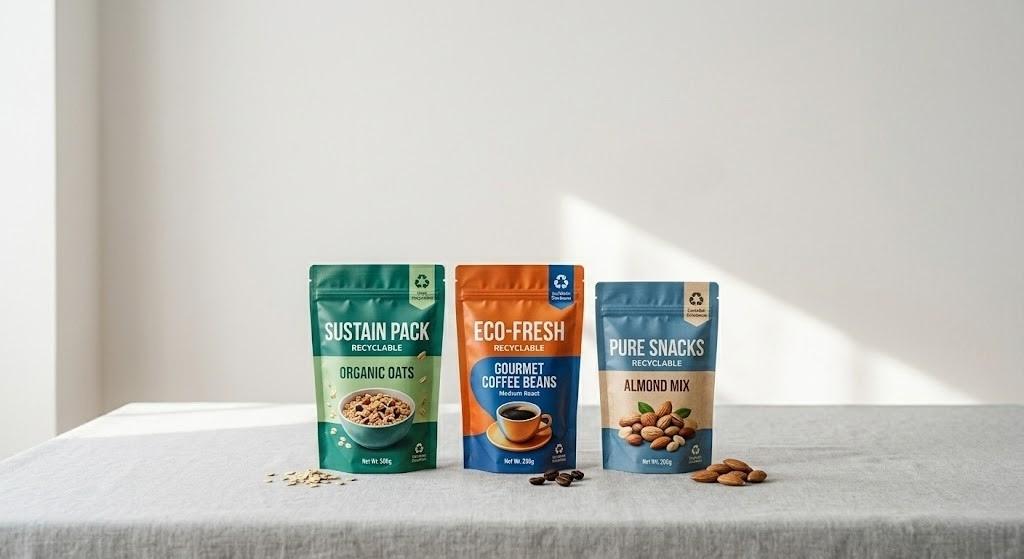
Recyclable flexible packaging is gradually replacing traditional plastic packaging as industries move toward more sustainable and efficient solutions. It offers a strong balance of durability, cost savings and environmental responsibility, which makes it highly suitable for modern packaging needs. Many businesses are adopting it because it helps reduce material waste, improves transportation efficiency and supports compliance with environmental regulations. Rising consumer awareness is also encouraging companies to shift toward eco-friendly packaging alternatives, making this change an important step in the future growth of the packaging industry.
Longdapac has been making recyclable pouches from 2020, the sales volume is growing rapidly due to the demand increase fast.
Answer: Recyclable flexible packaging is a modern packaging solution designed using materials that can be reused or processed again through recycling systems. It is important because it reduces environmental waste and helps industries move away from heavy dependence on traditional plastic materials. This type of packaging is lightweight, efficient, and easier to handle during storage and transportation. Many industries prefer it because it maintains product safety while also supporting environmental goals. It is widely used in sectors where efficiency and sustainability are equally important. Companies are also adopting it to meet growing regulatory expectations. Its importance continues to increase as environmental awareness grows worldwide. It also helps reduce long-term pollution effects caused by non-recyclable materials.
Answer: Recyclable flexible packaging helps reduce environmental impact by minimizing waste generation and supporting material recovery systems. It is engineered to be easier to recycle compared to traditional plastic packaging. This reduces the amount of waste that ends up in landfills and natural environments. Its production process uses fewer raw materials, which helps decrease overall resource consumption. It also contributes to lower carbon emissions during manufacturing and transportation because of its lightweight structure. Many companies are shifting toward this packaging as it supports circular economy practices. Materials can be reused instead of being discarded after single use. This approach helps reduce long-term environmental damage and pollution levels.
Answer: Companies are shifting to recyclable flexible packaging because it offers both economic and environmental benefits. Traditional plastic packaging is facing increasing restrictions due to its negative environmental impact. In contrast, recyclable options provide better compliance with global sustainability regulations. Businesses also benefit from lower material costs and improved transportation efficiency. The lightweight structure of flexible packaging helps reduce shipping expenses and storage space requirements. Companies are also responding to changing consumer preferences, as customers now prefer eco-friendly packaging. This shift helps improve brand reputation and market competitiveness. In addition, recyclable packaging supports long-term sustainability goals set by governments and organizations.
Answer: Recyclable flexible packaging is widely used across multiple industries because of its adaptability and efficiency. The food and beverage industry benefits greatly from its ability to preserve product freshness while reducing packaging waste. The healthcare sector uses it for safe and hygienic product protection during storage and transportation. Personal care and cosmetic industries also rely on it due to its lightweight design and attractive presentation options. Industrial sectors benefit from its durability and cost efficiency during large-scale distribution. Each industry values its flexibility because it can be customized according to specific product requirements. It also supports high-speed production lines, making it suitable for mass manufacturing. Companies in these sectors prefer it because it reduces operational costs and improves logistics efficiency.
Answer: The future of recyclable flexible packaging looks highly promising as global demand for sustainable solutions continues to rise. More companies are expected to adopt this packaging due to increasing environmental regulations and consumer awareness. Technological advancements will further improve its strength, recyclability and production efficiency. Recycling systems are also expected to become more advanced, making material recovery easier and more effective. Governments around the world are encouraging industries to reduce plastic waste, which will support its long-term growth. Businesses are also investing in research and innovation to enhance packaging performance. This will help make recyclable flexible packaging more cost-effective and widely available. It is likely to become a standard packaging solution in many industries over time.