
Plastic pollution is rising rapidly across the world. It is now impacting natural environments, marine life and human health. The main cause of this issue is the widespread use of single use plastic materials that are not properly recycled. Many regions face challenges in waste management systems, which makes the problem even more serious. Due to this situation, there is a strong need for better packaging solutions that can reduce environmental damage while still supporting modern industrial requirements.
Recyclable flexible packaging is emerging as a modern solution that helps reduce plastic pollution and supports environmental sustainability. It is designed to use fewer raw materials while still providing strong performance and easy recyclability. This type of packaging helps reduce landfill waste and supports a circular system where materials are reused instead of being discarded. Its lightweight structure also lowers transportation impact, making it a more efficient option for industries worldwide.
In this blog, we will explain how recyclable flexible packaging helps solve modern plastic pollution problems. We will also cover its design, material structure, environmental benefits, industrial uses, recycling process and cost advantages.
Modern industries are increasingly moving towards sustainable packaging solutions due to growing environmental concerns. Companies are focusing on reducing plastic waste and improving material efficiency. This change is driven by regulations as well as consumer awareness and demand for eco-friendly products.
The packaging industry is evolving rapidly. Recyclable solutions are becoming more popular. Businesses are adopting materials that can be reused or processed easily after use. This reduces long term environmental impact and supports global sustainability targets.
As awareness increases, more industries are expected to move away from traditional plastic systems. This transition is helping reduce pollution levels and encouraging responsible production practices.
Material innovation plays an important role in improving recyclable flexible packaging. Manufacturers are developing advanced materials that maintain strength while remaining easier to recycle. These innovations help reduce environmental impact without compromising product safety.
New technologies focus on simplifying material layers so recycling becomes more efficient. Instead of using multiple layers, single material designs are preferred. This approach allows recycling facilities to process waste more effectively. These improvements are helping industries balance performance and sustainability. As a result, packaging solutions are becoming more eco friendly and more resource efficient.
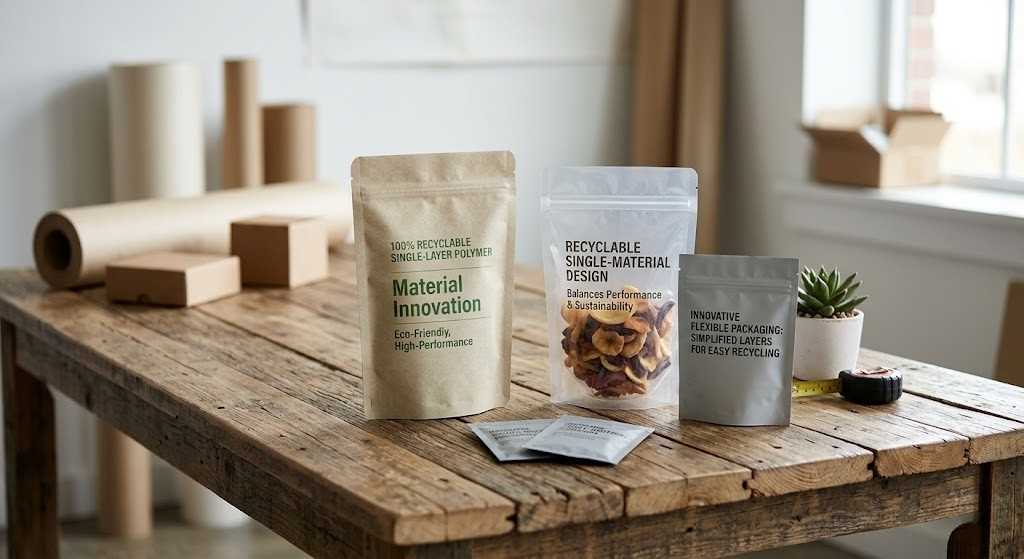
Recyclable flexible packaging helps reduce environmental damage through multiple strategies. One major approach is reducing raw material usage, which directly lowers plastic waste generation. This contributes to cleaner environments and reduces pressure on landfills.
Another strategy is lowering energy consumption during production and transportation. Lightweight materials require less fuel for shipping, which reduces carbon emissions. This makes the entire supply chain more environmentally friendly. These combined strategies support long term sustainability goals. They help industries reduce their environmental impact while maintaining operational efficiency.
Waste management systems benefit significantly from recyclable flexible packaging. Since the material is easier to process, recycling facilities can handle it more efficiently. This improves overall recycling rates and reduces reliance on landfills.
Proper sorting and collection systems also become more effective when recyclable materials are used. This helps prevent plastic leakage into natural environments such as rivers and oceans. Over time, improved waste management leads to cleaner cities and healthier ecosystems. It also supports global efforts to reduce plastic pollution on a large scale.
Recyclable flexible packaging is often compared with traditional plastic packaging because both are widely used in different industries, but they differ significantly in performance, sustainability and environmental impact. Traditional plastic packaging has been widely used for many years due to its low cost and easy availability. However, it creates long term waste issues that are difficult to manage. In contrast, recyclable flexible packaging is designed to reduce waste and support recycling systems, making it a more sustainable choice for modern requirements.
Feature | Traditional Plastic Packaging | Recyclable Flexible Packaging |
Environmental Impact | High pollution and long lasting waste | Lower pollution with recyclable design |
Material Usage | High raw material consumption | Reduced material usage |
Recycling Ability | Difficult to recycle | Supports recycling process |
Weight | Heavy structure | Lightweight design |
Transportation Cost | Higher due to weight | Lower due to light weight |
Sustainability | Limited sustainability support | Strong circular economy support |
Waste Generation | High waste output | Reduced waste output |
Industry Use | Slowly decreasing | Rapidly increasing |
Recyclable flexible packaging clearly performs better in most important areas compared to traditional plastic packaging. Its lightweight structure, lower material usage, and easier recyclability make it a more efficient and environmentally responsible solution. Businesses are now shifting toward this option to reduce costs and meet sustainability goals. This transition is helping industries move toward cleaner production systems and a more sustainable future.
Recyclable flexible packaging is now widely used across many industries because it offers both sustainability and efficiency. Companies are shifting from traditional packaging to flexible options due to lower environmental impact and better supply chain performance. This shift is becoming more noticeable in global markets.
One major reason for its increasing use is versatility. It can be adapted for different types of products while still maintaining strength and safety. Businesses also benefit from reduced packaging weight, which helps lower transportation costs and improves delivery efficiency.
Another key factor is growing environmental awareness. Many industries are under pressure to adopt eco-friendly practices. As a result, recyclable flexible packaging is becoming a preferred choice for long term sustainable growth.
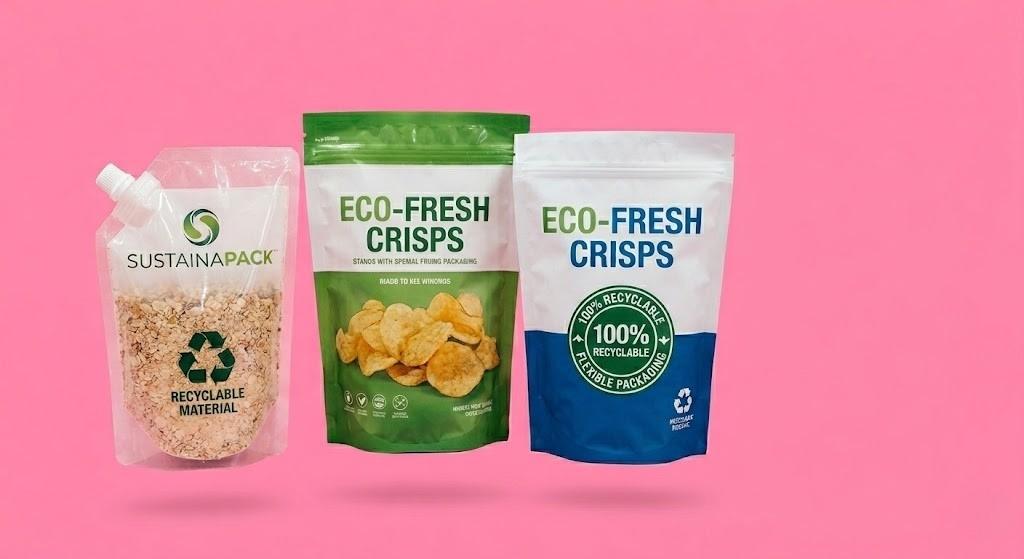
The recycling process of flexible packaging plays an important role in reducing plastic waste. After use, the material is collected, sorted and sent to recycling facilities for processing. Its simple structure makes recycling easier compared to more complex plastic types.
Once processed, the material is cleaned and converted into reusable raw materials. This can then be used again in packaging production or other plastic based products. It helps reduce the need for new plastic production. The success of this system depends on proper waste collection. When recycling practices are followed correctly, it significantly reduces environmental pollution and improves resource recovery.
Recyclable flexible packaging offers strong cost advantages for businesses. It requires fewer raw materials, which helps reduce production expenses. This makes it a cost effective solution for companies of all sizes.
Transportation costs are also lower because the material is lightweight. This improves logistics efficiency and reduces fuel consumption during shipping. Over time, this leads to significant savings. It also provides long term financial benefits by supporting compliance with environmental regulations. Companies using sustainable packaging improve their brand image and reduce future regulatory risks.
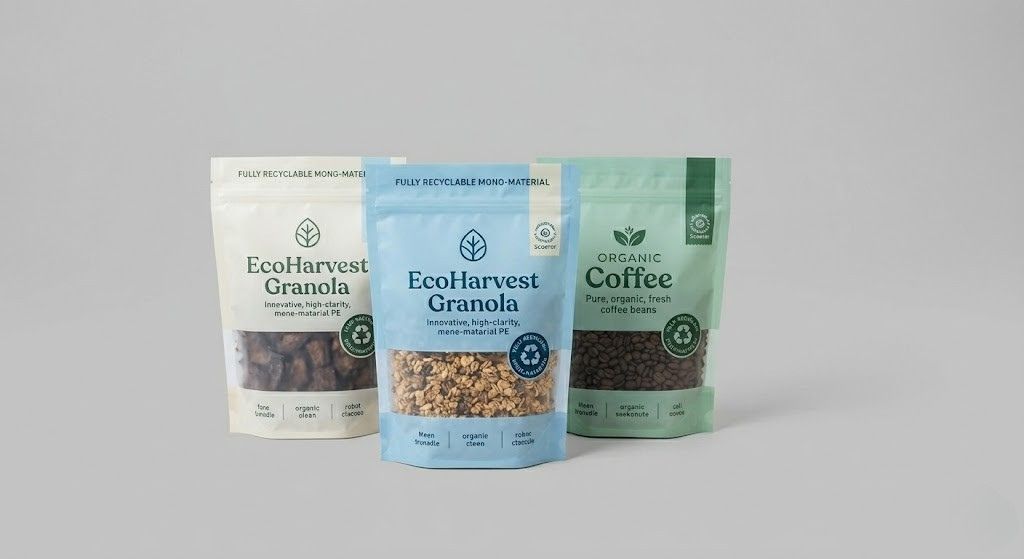
Recyclable flexible packaging supports circular economy systems by promoting the reuse and recycling of materials. Instead of being wasted, packaging materials are collected and reprocessed into new products.
This reduces dependence on virgin plastic and helps conserve natural resources. It also lowers environmental damage caused by waste accumulation in landfills and natural areas.
By supporting continuous material reuse, this packaging plays an important role in building a more sustainable and efficient industrial system for the future.
Innovation in packaging design has played a major role in improving recyclable flexible packaging. Modern designs focus on combining functionality with sustainability. This means packaging must protect products effectively while also being environmentally friendly.
New design techniques allow better sealing, durability and product safety without increasing material complexity. These improvements help maintain product quality while reducing environmental impact. Designers are also focusing on reducing unnecessary layers and simplifying structures.
Functionality is also improving through smart design features. Packaging is now being created in ways that make storage, handling and transportation more efficient. This balance of innovation and sustainability is shaping the future of packaging solutions.
The future of packaging is strongly moving toward sustainability and environmental responsibility. Recyclable flexible packaging is expected to play a major role in this transformation. As global regulations become stricter, industries will need to adopt more eco-friendly solutions.
Technological advancements will further improve the efficiency and recyclability of packaging materials. Researchers are working on developing new materials that are even easier to recycle while maintaining high performance standards. This will help reduce environmental impact even more.
In the coming years, sustainable packaging systems will likely become the global standard. Companies that adopt recyclable flexible packaging early will be better prepared for future market and regulatory changes, ensuring long term success and environmental compliance.
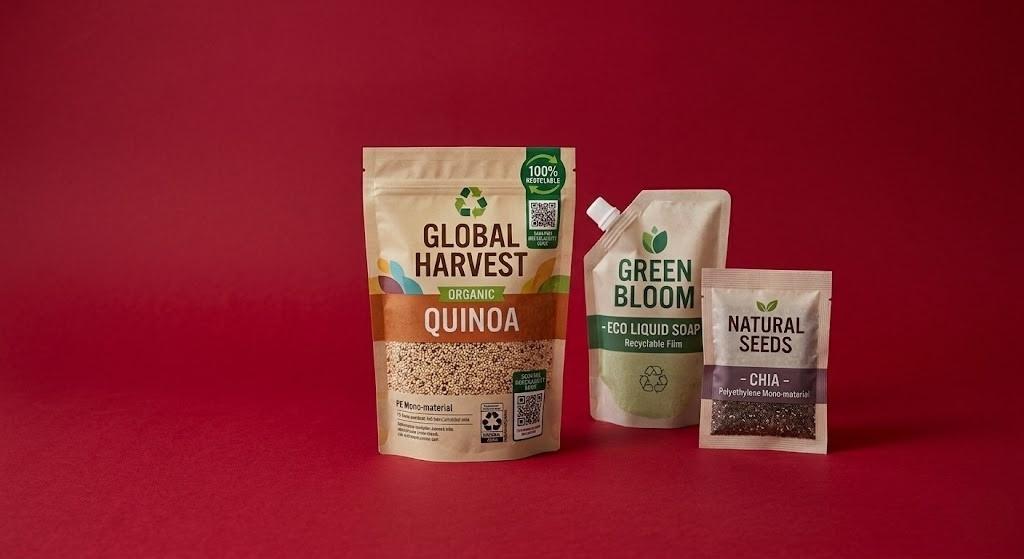
Recyclable flexible packaging has developed as an effective solution for reducing modern plastic pollution problems. It provides a practical way to minimize waste generation by using materials that can be recycled and reused in production cycles. This helps reduce pressure on landfills and natural environments while improving overall resource efficiency. Its lightweight structure, simple design and sustainable properties make it a strong alternative to traditional packaging systems.
With increasing environmental concerns and stricter regulations, the demand for sustainable packaging solutions will continue to rise. Recyclable flexible packaging supports both environmental protection and industrial efficiency, making it a valuable choice for the future. As more industries adopt this approach, it will play a key role in building a cleaner and more responsible global packaging system.
Longdapac is one of the leading recyclable flexible packaging manufacturer in China. Actually it is very difficult at the very beginning when we develop the recyclable pouches, the demand is small, the cost is high, and the quality is not stable. But the sustainable concept for the plastic bags make us work hard and solve all these problems. Then we are now have a bright future for it.
Answer: Recyclable flexible packaging is an advanced form of packaging designed to reduce environmental damage by using materials that can be collected, processed and reused after their initial use. It is considered important because it directly addresses the growing global issue of plastic pollution, which is harming ecosystems, oceans and human health. Unlike traditional packaging materials that often remain in landfills for many years, this type of packaging is developed with sustainability in mind from the very beginning. It uses optimized material structures that reduce waste generation and improve recycling efficiency. Its importance is increasing rapidly because industries are under pressure to adopt environmentally responsible solutions while still maintaining product safety and performance. This balance between functionality and sustainability makes it a key innovation in modern packaging systems.
Answer: Recyclable flexible packaging helps reduce plastic pollution by ensuring that packaging waste does not remain permanently in the environment after use. Instead, it is designed to be collected through waste systems and processed into reusable raw materials that can be used again in manufacturing. This reduces the amount of plastic that accumulates in landfills, rivers and oceans, which are major global environmental concerns. Its simplified material structure makes recycling easier compared to traditional multilayer plastics that are difficult to separate and process. By improving recycling efficiency, it supports a circular system where materials are continuously reused rather than discarded. Over time, widespread adoption of this packaging significantly lowers pollution levels and contributes to cleaner ecosystems and healthier environments.
Answer: Yes, recyclable flexible packaging is highly cost effective for businesses because it reduces expenses at multiple stages of the supply chain. One of the main cost advantages comes from its lightweight structure, which lowers transportation and shipping costs by reducing fuel consumption and freight weight. It also requires fewer raw materials during production compared to traditional packaging, which directly decreases manufacturing costs. In addition, its efficient design reduces storage space requirements, helping companies manage logistics more effectively. Beyond direct savings, businesses also benefit from long term financial advantages such as improved brand reputation, customer trust and compliance with environmental regulations. As sustainability becomes a key factor in market competition, companies using recyclable packaging also gain a strategic advantage that can lead to increased sales and stronger market positioning.
Answer: Recyclable flexible packaging is widely used across several major industries due to its adaptability, efficiency and sustainability benefits. The food and beverage industry uses it extensively because it provides strong protection for products while also reducing environmental impact. The pharmaceutical industry also relies on it for safe and secure packaging solutions that meet strict quality standards. Personal care and cosmetic industries use it to create lightweight and attractive packaging that appeals to environmentally conscious consumers. Retail and consumer goods sectors are also increasingly adopting this packaging to align with global sustainability trends. Its versatility allows it to be customized for different product types, making it suitable for both large scale companies and smaller businesses. As environmental regulations continue to tighten, its usage is expected to expand even further across global markets.
Answer: The future of recyclable flexible packaging is highly promising as the world moves toward more sustainable and environmentally responsible practices. Governments, industries, and consumers are becoming more aware of the negative impacts of plastic pollution, which is driving strong demand for eco-friendly packaging alternatives. In the coming years, technological advancements are expected to further improve material quality, recyclability and production efficiency, making this packaging even more effective. Researchers are also developing new materials that are easier to recycle while maintaining high durability and performance standards. As circular economy models become more widely adopted, recyclable flexible packaging will play a central role in reducing waste and conserving resources. Eventually, it is likely to become a global standard in packaging systems, replacing many traditional plastic solutions and contributing significantly to a cleaner and more sustainable future.