
Packaging plays an important role in protecting products during storage, handling and transportation across different industries. It ensures that items stay safe from physical damage, environmental exposure and external pressure during movement. Modern businesses rely on advanced packaging solutions to maintain product quality from production to final delivery. Durable packaging also helps reduce losses and improves overall supply chain performance.
Recyclable packaging has gained strong attention due to rising environmental concerns and sustainability requirements in global industries. Recyclable flexible packaging is specially designed to allow material reuse while maintaining reliable protective performance. It helps reduce waste generation and supports eco-friendly production systems without compromising safety standards. This balance of durability and sustainability makes it a practical choice for modern businesses.
In this blog, we will guide you on how recyclable flexible packaging protects products under real-world conditions. We will also cover its material structure, durability performance, barrier protection, flexibility benefits, cost efficiency and industrial applications.
Packaging is an important element in ensuring that products remain safe throughout their journey from production to end use. It works as a protective layer that shields items from impact, pressure and external environmental factors. Without proper packaging, products are more likely to get damaged or lose quality during handling and transportation.
In modern supply chains, packaging is not only about covering a product but also about maintaining stability during movement. Strong packaging reduces the risk of breakage and helps preserve product integrity under different conditions. This is especially important for industries that handle large scale distribution and frequent transportation.
Reliable packaging also enhances customer satisfaction by ensuring that products arrive in good condition. It builds trust between manufacturers and customers and reduces the chances of returns or complaints.
Packaging technology has improved significantly over time due to advancements in material engineering and industrial requirements. Earlier packaging methods mainly used rigid materials that were heavy and difficult to manage. These older methods often increased transportation costs and reduced efficiency.
Flexible packaging was developed as a modern solution to overcome these limitations. It uses lightweight materials that still provide strong protection while improving handling efficiency. This development has changed how industries approach packaging design and logistics operations.
In addition, flexible packaging is widely used today because it offers a better balance between strength, cost and usability. It supports faster production cycles and reduces unnecessary material usage in packaging processes.
Recyclable flexible packaging is designed to handle normal to moderate pressure during transportation and storage. Its structure allows it to absorb external force without tearing or breaking easily. This makes it reliable for protecting products in supply chains.
The layered construction helps distribute pressure evenly across the surface. This reduces stress concentration in one area and prevents damage during stacking or movement. As a result, products remain safe even under continuous handling conditions. High quality flexible packaging is tested for strength and durability before use. This ensures that it meets industry standards and performs consistently in real world applications.
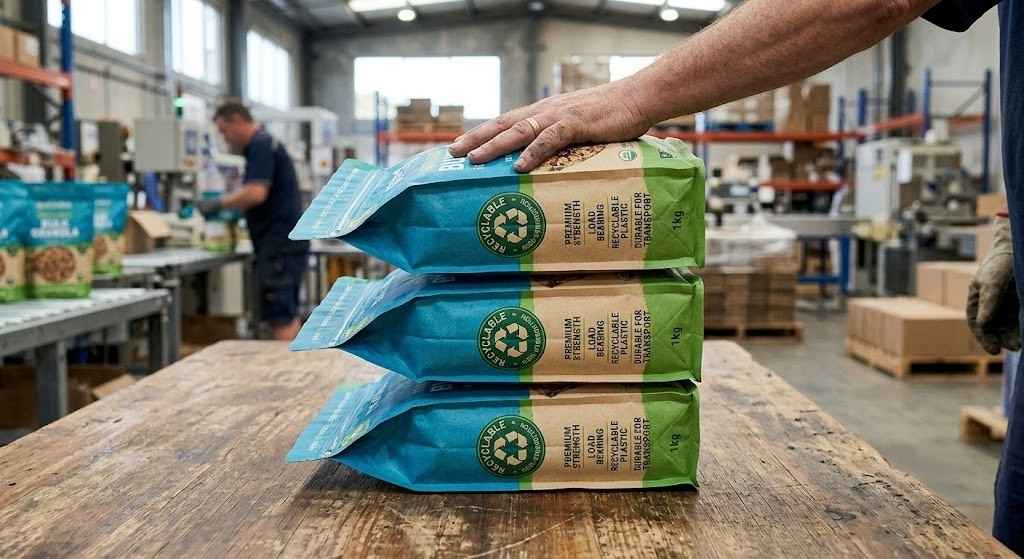
One of the most essential functions of packaging is to protect products from moisture, dust and external contamination. Flexible packaging provides a strong barrier that helps maintain product quality for a longer period. It reduces the chances of spoilage or damage caused by environmental exposure.
Advanced sealing technology ensures that the packaging stays tightly closed during storage and transport. This prevents unwanted substances from entering and affecting the product inside. Proper sealing is essential for maintaining safety and freshness.
This protective feature is especially useful for sensitive products that require controlled conditions. It helps maintain stability and extends product shelf life.
Recyclable flexible packaging is considered a cost efficient solution in many industries. It requires fewer raw materials compared to rigid packaging, which reduces production expenses. This makes it a more affordable option for manufacturers. Transportation costs are also reduced due to its lightweight nature. Businesses can transport larger quantities without increasing shipping weight significantly. This improves overall operational efficiency and reduces logistics expenses. Lower material usage and reduced transportation costs make it a smart financial choice for companies aiming to optimize budgets.
Flexibility is one of the most valuable advantages of this packaging type. It can easily adjust to different product shapes and sizes without losing its protective strength. This reduces the need for multiple packaging formats for different products.
The adaptable nature of flexible packaging also improves space utilization during transportation. More products can be packed in less space, which increases efficiency in logistics operations. This helps reduce transportation costs and storage requirements. Its flexibility also minimizes material wastage since it does not require excessive protective layers in many cases. This makes it both efficient and practical for large scale use.
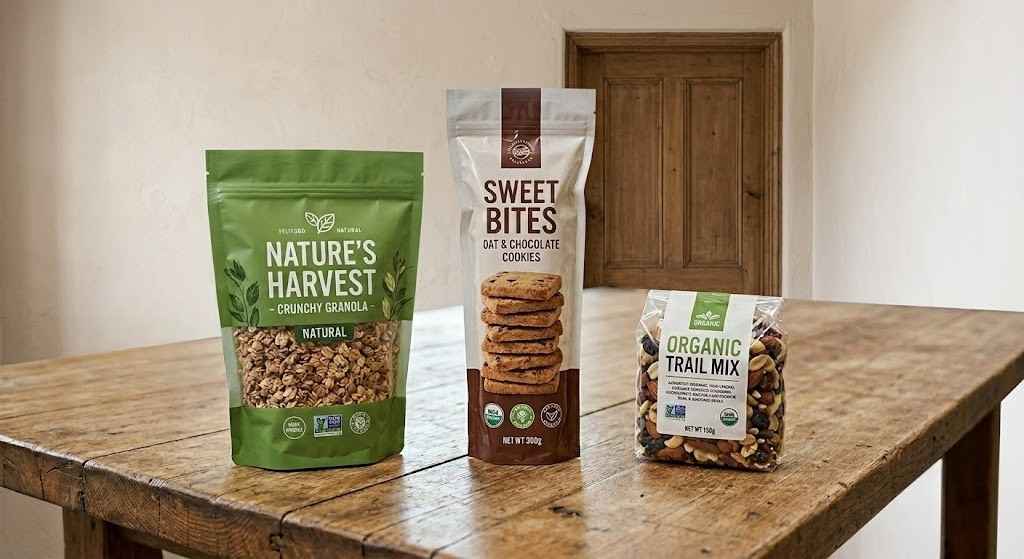
The strength of recyclable flexible packaging depends on its carefully designed multi-layer structure. Each layer serves a specific function such as durability, sealing, or resistance against external factors. These layers work together to create a strong and flexible packaging system.
The combination of different materials allows the packaging to remain strong while still being lightweight. Some layers provide flexibility while others add toughness and protection against damage. This balanced structure ensures that the packaging performs well under pressure.
Manufacturers select materials based on product requirements to ensure maximum efficiency. This makes flexible packaging suitable for a wide variety of industries and product types.
Recyclable flexible packaging is widely used across many industries due to its versatility and efficiency. It can be adjusted according to different product requirements, material strength and protection needs, making it suitable for a wide range of applications.
Industries prefer this packaging because it offers a strong balance between protection, cost savings and sustainability. It helps reduce packaging expenses while maintaining product safety and quality, which makes it a practical choice for both small scale and large scale operations. Its adaptable nature makes it a reliable solution for modern distribution systems that require durability, efficiency and consistent performance.
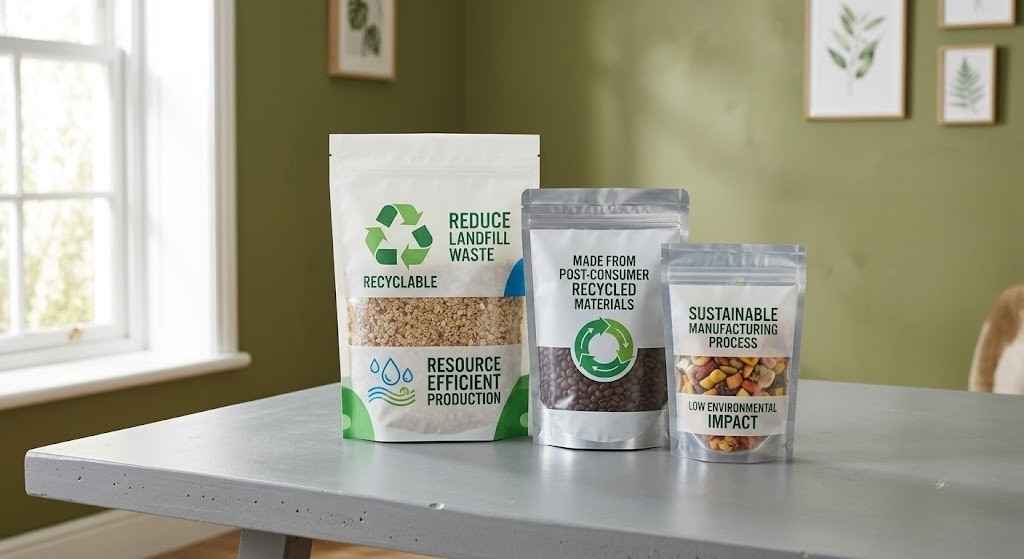
Sustainability is one of the key reasons behind the growing demand for recyclable flexible packaging. It helps reduce environmental waste by allowing materials to be reused or recycled after use. This reduces the burden on landfills and supports eco friendly practices.
The production process also consumes fewer resources compared to traditional packaging methods. This helps reduce the overall environmental impact and supports sustainable manufacturing systems.
Many industries are adopting this packaging to meet environmental regulations and global sustainability goals. It represents a responsible approach to modern packaging needs.
Sealing technology is a main factor in maintaining product safety inside recyclable flexible packaging. Strong sealing ensures that the packaging remains tightly closed, preventing air or dust from entering. This helps maintain the internal environment of the product.
Modern sealing methods are designed to improve durability and reduce the risk of leakage during handling. A properly sealed package ensures that external elements cannot affect product quality. This is especially important for maintaining long term protection.
Advanced sealing systems also improve resistance against accidental opening during transportation. This adds an extra layer of security for sensitive products. The overall effectiveness of sealing technology directly contributes to product safety and packaging reliability.
Manufacturing quality plays a major role in determining the strength and reliability of recyclable flexible packaging. High quality production ensures that each layer is properly bonded and aligned for maximum performance. Poor manufacturing can reduce durability and compromise protection.
Strict quality control systems are used during production to ensure consistency. These systems include strength testing, sealing checks and material evaluation. This helps maintain uniform performance across all packaging units.
Proper manufacturing standards also reduce the chances of defects that may affect product safety. This ensures reliability in real world usage. Consistent quality control improves trust in flexible packaging across different industries.
Flexible packaging can be customized based on the specific requirements of different products. This includes adjustments in thickness, structure and protective layers depending on the level of safety needed. Customization improves overall packaging performance.
Different products require different levels of protection and flexible packaging allows manufacturers to meet these needs effectively. This reduces unnecessary material usage while maintaining strong protection standards.
Customization also improves efficiency by ensuring that packaging fits the product perfectly. This reduces movement inside the packaging and increases safety during transport. It is widely used in industries where product variation requires tailored packaging solutions.
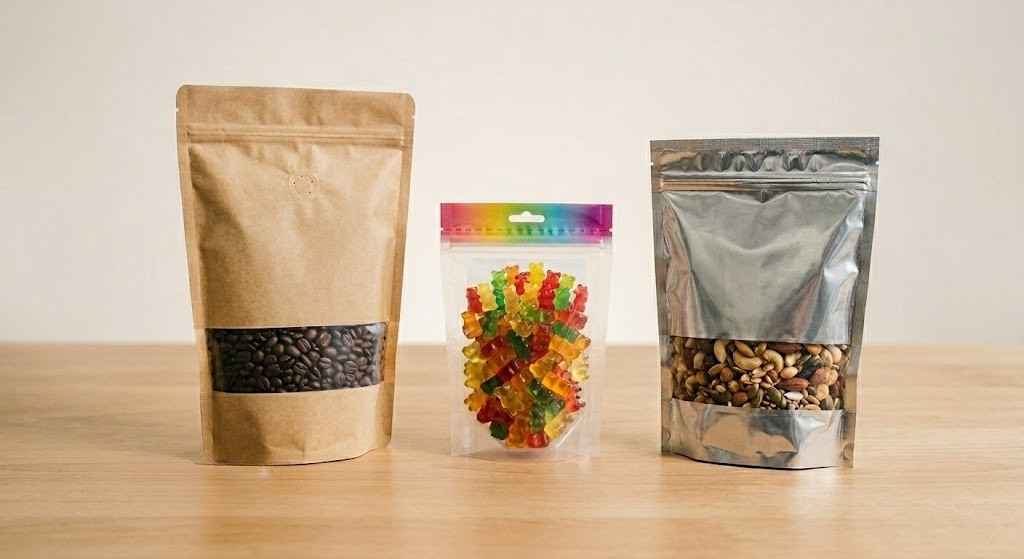
Recyclable flexible packaging is a strong and reliable solution for protecting products in modern supply chains. It provides a balanced mix of durability, flexibility and environmental responsibility, making it suitable for many industries. Its layered structure and strong sealing help protect products from damage, moisture, and external pressure during storage and transportation. When properly manufactured, it ensures consistent performance while also supporting sustainability goals. This is the reason it is becoming a preferred packaging choice worldwide.
Longdapac is making recyclable pouches for more than 6 years. It is true that the quality of mono-material pouches are with a little low quality, but now after technology and raw material quality going up, our recyclable pouch quality is almost as good as conventional materials.
Answer: Yes, recyclable flexible packaging is strong enough to protect products in most real-world transportation and handling conditions when it is made with high-quality materials. Its multi-layer structure is specially designed to absorb external pressure and distribute force evenly across the surface. This helps reduce the risk of tearing, puncturing, or damage during movement. In supply chains, products often experience vibration, stacking pressure and repeated handling, and flexible packaging is designed to handle these conditions effectively. However, its strength depends on material grade, sealing quality and production standards. When these factors are properly controlled, it provides reliable protection for a wide range of products.
Answer: Recyclable flexible packaging uses advanced barrier layers and sealing technology to protect products from environmental risks. These layers act as a protective shield that prevents moisture, dust, oxygen and other external contaminants from entering the packaging. This helps preserve product quality and reduces the risk of damage caused by environmental exposure. The sealing system plays a key role in keeping the packaging tightly closed during storage and transportation. Even minor exposure to air or moisture can affect sensitive products, so this barrier protection is very important. When properly designed, flexible packaging helps maintain product stability for longer periods.
Answer: Yes, recyclable flexible packaging can maintain product safety during long-term storage if it is properly designed and kept under suitable conditions. Its internal barrier layers help control exposure to humidity, temperature changes and air contact, which are major factors that affect product quality over time. This protection slows down degradation and helps preserve the original condition of the product. It is especially useful for industries that need to store products before distribution. However, its effectiveness also depends on the type of product, packaging material quality and storage environment. When all these factors are properly managed, long-term protection becomes highly reliable.
Answer: Industries are shifting toward recyclable flexible packaging because it provides a better balance of performance, cost efficiency and sustainability. Traditional packaging materials are often heavier, more expensive and less adaptable to modern logistics systems. Flexible packaging reduces material usage, lowers transportation costs and improves storage efficiency due to its lightweight structure. At the same time, it supports environmental goals by reducing waste and enabling recycling after use. Businesses also prefer it because it can be customized according to different product needs. This combination of benefits makes it a practical and modern packaging solution for many industries.
Answer: Recyclable flexible packaging offers several important advantages in supply chain systems. It improves operational efficiency by reducing packaging weight, which makes transportation easier and more cost-effective. It also allows better use of storage space, as flexible materials can be packed more efficiently compared to rigid alternatives. In addition, it reduces product damage during handling due to its ability to absorb pressure and vibration. This results in fewer losses and better product safety throughout the distribution process. Its recyclable nature also supports sustainable supply chain practices, making it suitable for companies that focus on both efficiency and environmental responsibility.