
Packaging has become a vital part of product development in today’s global market. It is no longer limited to protection and transportation. It now plays an important role in branding, sustainability and customer experience. Companies are constantly searching for packaging solutions that are efficient, cost effective and environmentally responsible.
Recyclable flexible packaging has emerged as a strong solution in the evolving market. It is made from lightweight materials that can be reused or processed again after use. It helps reduce environmental waste while maintaining product safety and quality. Many industries are moving toward recyclable flexible packaging as it supports sustainability goals and lowers overall material consumption.
In this blog, we will explore the key reasons behind the rapid growth of recyclable flexible packaging, along with its advantages, impact on different industries and its role in shaping the future of modern packaging systems worldwide.
Environmental awareness has become one of the strongest forces driving change in the packaging industry. Rising pollution levels, growing plastic waste and damage to ecosystems have created an urgent need for sustainable solutions.
Recyclable flexible packaging helps reduce environmental impact by decreasing the amount of waste that ends up in landfills and oceans. It is designed to be processed again, which supports circular economy systems where materials are reused instead of being discarded.
Governments, environmental organizations and consumers are encouraging companies to adopt packaging that reduces harm to the environment. This global awareness has significantly increased the demand for recyclable flexible packaging.
Recyclable flexible packaging is a modern packaging solution made from thin, lightweight materials that can be recycled after use. It includes items such as plastic films, laminated pouches and flexible wraps used for various types of products. Unlike rigid packaging such as glass jars or metal containers, flexible packaging uses fewer raw materials while still providing strong protection against moisture, oxygen and contamination. This makes it efficient and practical for a wide range of industries.
Its ability to combine durability with recyclability is what distinguishes it from traditional packaging methods and makes it a preferred choice in modern supply chains.
Today’s consumers are more aware and concerned about the environment than ever before. Many now choose products that use eco-friendly packaging, even if the price is slightly higher.
This change in mindset has pushed brands to rethink how they design and use packaging. Companies that adopt recyclable flexible packaging are often considered more responsible and reliable in the eyes of customers. Because of this shift, sustainable packaging is no longer just an added feature. It has become an important factor that strongly affects buying decisions in many markets.
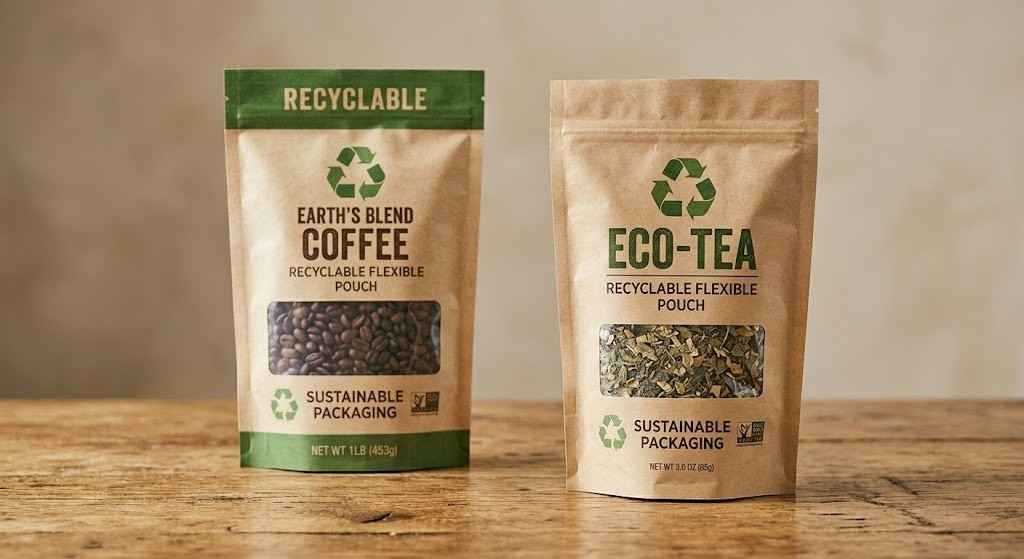
One of the main reasons behind the growing use of recyclable flexible packaging is its cost effectiveness. It uses less raw material than traditional packaging, which helps lower production costs.
Its lightweight design also reduces shipping expenses, as more products can be transported with lower fuel consumption. This improves overall logistics efficiency and allows companies to save money throughout the supply chain.
In addition, flexible packaging takes up less storage space, which helps reduce warehouse costs and makes inventory management more efficient.
Recyclable flexible packaging, even though it is lightweight, still provides strong protection for products. It is designed to block moisture, oxygen and external contamination, which helps maintain product quality.
This is especially important for food and pharmaceutical products that require a long shelf life and strict safety standards. Advanced barrier technologies ensure that products remain fresh and well protected during transportation and storage. The balance of protection and flexibility makes it suitable for both delicate and durable goods.
Technology has played a major role in improving recyclable flexible packaging. Recent advancements in material science have made it possible to develop stronger and more recyclable single layer films that perform better than older solutions.
Manufacturers are also creating advanced barrier coatings that reduce the need for multiple layers of plastic. This improvement makes the recycling process easier, more efficient and more environmentally friendly.
Continuous innovation in packaging technology is supporting industries in moving toward fully sustainable packaging systems that balance performance, efficiency and environmental responsibility.
Governments around the world are introducing increasingly strict regulations to reduce plastic waste and promote recycling. Many countries are either banning or placing strong restrictions on single use plastics in packaging to protect the environment and support long term sustainability goals.
These policies are pushing companies to move toward recyclable flexible packaging as a compliant and future ready solution. Businesses that fail to adapt to these regulatory changes may face penalties, higher costs, or even market limitations, which can affect their competitiveness.
As environmental regulations continue to tighten globally, the shift toward sustainable packaging solutions is expected to accelerate further. This will encourage more innovation and wider adoption of recyclable flexible packaging across industries.
Brands that use recyclable flexible packaging often build a stronger reputation in the market. Consumers usually connect eco-friendly packaging with responsibility, innovation and high quality, which positively influences brand perception.
This approach helps companies earn customer trust and strengthen long term loyalty. In highly competitive industries, sustainable packaging also gives brands a clear advantage by helping them stand out from competitors.
As a result, recyclable flexible packaging is not only an environmental solution but also a smart and strategic business decision that supports growth and brand value.
The food and beverage industry is one of the largest users of recyclable flexible packaging. It is widely used for products such as snacks, frozen foods, beverages, sauces, and dry goods, where both protection and convenience are important.
Modern consumers prefer packaging that is lightweight, easy to open, resealable and convenient for daily use. Recyclable flexible packaging meets all these expectations while also helping to reduce environmental impact, which makes it highly suitable for today’s market needs.
Its strong ability to preserve freshness, extend shelf life, and improve overall usability has made it a standard and widely accepted choice in modern food packaging systems across global supply chains.
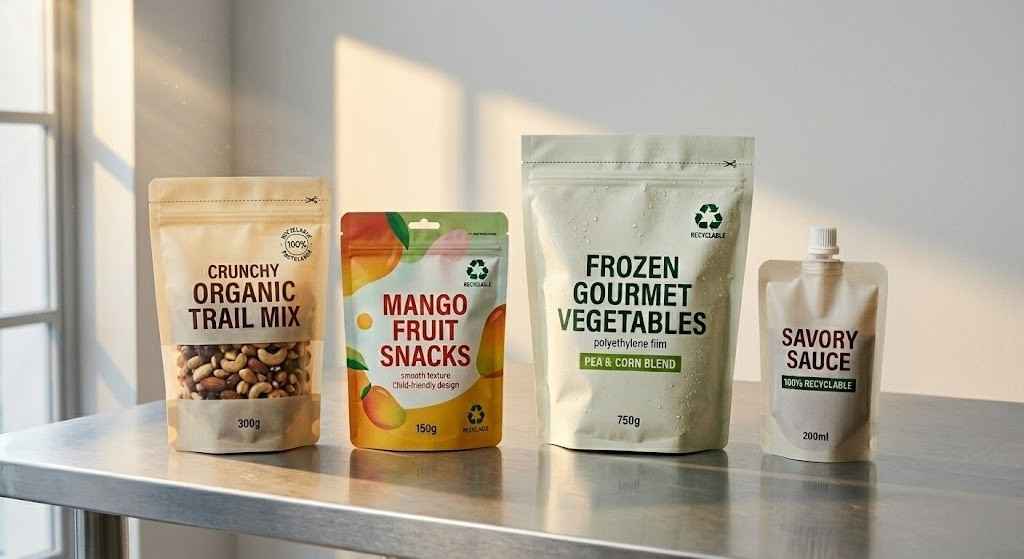
Recyclable flexible packaging is widely used across various industries because of its high adaptability and practical design. It can be easily customized to suit different types of products, whether liquid or solid, which makes it a highly flexible packaging solution for modern businesses.
This type of packaging is commonly used in industries such as:
Its strong versatility, cost efficiency, and ability to scale according to different production needs make it one of the most reliable and practical packaging solutions in today’s global market.
Global trade has expanded rapidly, and products are now shipped across countries and continents more than ever before. This growth has increased the demand for packaging that is lightweight, durable and cost effective.
Recyclable flexible packaging supports international supply chains by reducing shipment weight and improving handling efficiency. It enables companies to transport large volumes of goods without adding complexity to logistics operations. This makes it a preferred choice for exporters and multinational companies that require efficient packaging solutions for global distribution.
Traditional packaging often results in high material waste during production. Recyclable flexible packaging is designed to improve material efficiency and reduce unnecessary waste.
Advanced cutting and sealing technologies ensure that materials are used more effectively during the manufacturing process. This helps reduce production scrap and improves overall resource utilization. Reducing waste not only supports environmental sustainability but also enhances manufacturing efficiency and increases overall profitability.
Digital printing technology has significantly improved the quality and flexibility of packaging design. Companies can now produce customized packaging with detailed graphics, branding and product information.
Recyclable flexible packaging is compatible with modern printing methods, allowing brands to create visually appealing packaging without adding complexity to production processes. This capability for customization strengthens marketing efforts and increases product visibility in highly competitive markets.
Lorem ipsum dolor sit amet,
Logistics companies are continuously searching for effective ways to reduce transportation costs while improving overall operational efficiency. In this process, lightweight packaging has become an important factor in achieving better performance across supply chains.
Recyclable flexible packaging helps significantly reduce total shipment weight, which directly lowers fuel consumption and transportation expenses. It also improves space utilization in trucks, ships and warehouses, allowing companies to move larger volumes of goods in a more organized and efficient manner. This combination of cost savings, better space management, and improved efficiency makes recyclable flexible packaging a highly practical and reliable solution for modern logistics systems.
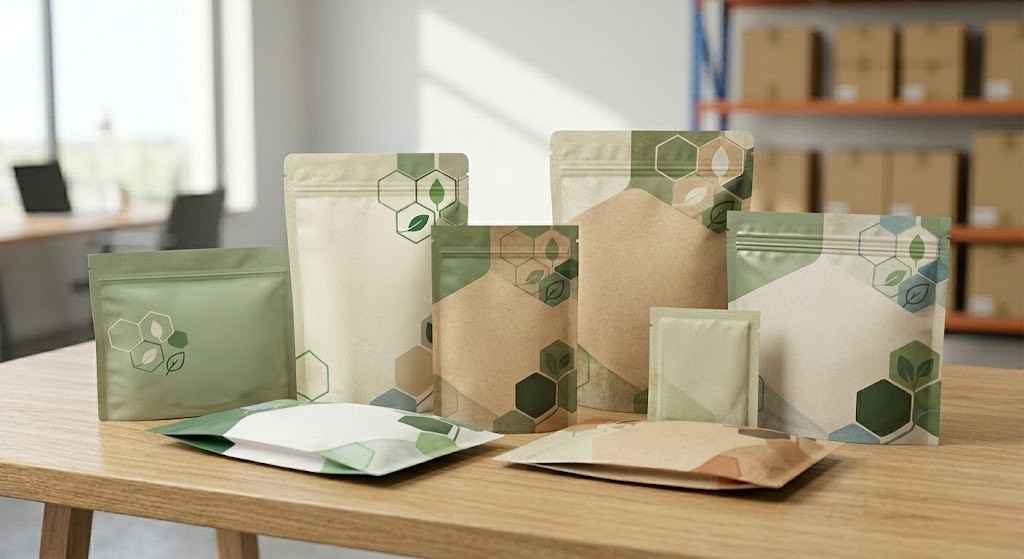
Retail stores require packaging that is not only visually appealing but also highly space efficient and easy to display in an organized manner. Recyclable flexible packaging performs very well in all of these areas, making it a practical choice for modern retail environments.
It can be designed in a wide variety of shapes, styles, and sizes to significantly improve shelf presentation and attract customer attention. Its lightweight structure also makes handling much easier for retailers, helping them manage inventory more smoothly and store products in a more efficient and systematic way. This also reduces operational effort and improves overall store organization.
This strong adaptability in retail settings increases its popularity among brands that are competing in physical stores, where presentation, convenience and efficient use of space play a key role in influencing customer buying decisions.
Packaging manufacturers are investing heavily in research and development to improve recyclable flexible packaging. These efforts aim to enhance its strength, recyclability and overall performance, making it more reliable for different industries.
Companies are also setting up advanced production facilities to keep up with the increasing global demand. This level of industrial investment is speeding up innovation across the packaging sector and encouraging the development of better and more efficient solutions. The growing focus from major manufacturers clearly reflects strong confidence in the long term future of flexible packaging and its role in modern sustainable packaging solutions.
One of the major advantages of recyclable flexible packaging is its strong performance under different environmental conditions. It can effectively protect products in hot, cold and humid climates without losing its quality or integrity.
This makes it highly suitable for global distribution, where products often pass through varying weather conditions during transportation and storage. Its reliable barrier properties help maintain product safety throughout the supply chain.
Its durability and adaptability ensure consistent protection, keeping products secure and stable across different environments.
The future of the packaging industry is strongly associated with sustainability, efficiency and innovation. Recyclable flexible packaging is expected to play a major role in this transformation.
With rising environmental regulations, growing consumer awareness and continuous technological advancements, the demand for this type of packaging is expected to increase steadily over time. It is not just a temporary trend but a long term shift in how industries design and adopt modern packaging solutions for a more sustainable future.
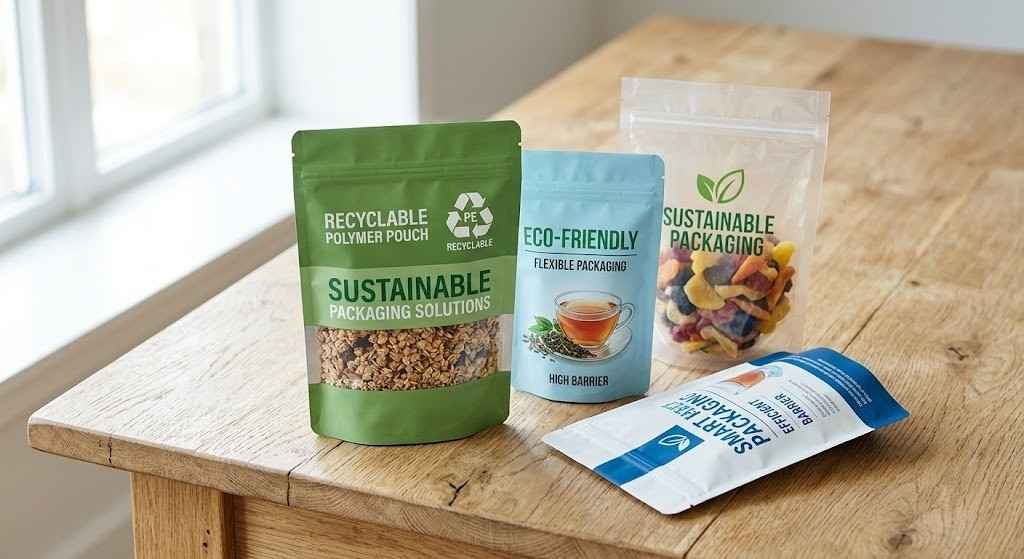
Recyclable flexible packaging is expanding rapidly in the packaging industry because it provides a strong balance of sustainability, cost efficiency and product protection. It helps reduce waste and decreases transportation costs due to its lightweight structure while also supporting global environmental goals. This type of packaging also meets the rising demand for eco-friendly products and improves a brand’s market image. With ongoing innovation and stricter environmental regulations, it is expected to become even more significant in the future and play a major role in developing sustainable packaging systems worldwide.
Longdapac is making recyclable pouches from 2020, and now our sales it is more than 100 times then the beginning.
Answer: Recyclable flexible packaging is increasing steadily because it provides cost savings, improved efficiency and environmental benefits at the same time. Businesses prefer it because it reduces packaging waste and supports sustainability goals. Its flexibility and broad usage across different industries also make it a practical long-term solution.
Answer: Yes, it is eco-friendly because it helps reduce plastic waste and supports recycling systems. It requires fewer raw materials and consumes less energy during production and transportation. This reduces environmental impact and makes it a more responsible packaging choice for modern industries.
Answer: Yes, it provides strong protection even though it is lightweight. It helps protect products from moisture, air, and contamination while keeping them fresh and safe. This makes it suitable for food, pharmaceuticals and other sensitive products that require reliable packaging.
Answer: It is widely used in the food and beverage industry, cosmetics, personal care, pharmaceuticals and agriculture. These industries prefer it because it is cost-effective, safe and adaptable to different types of products. Its versatility makes it suitable for a wide range of commercial applications.
Answer: The future looks very strong as the demand for sustainable packaging continues to rise. With improved recycling technology and stricter environmental regulations, more companies are expected to adopt it. It is likely to become a standard packaging solution across many industries worldwide.