
Sustainable packaging is becoming a critical priority for businesses and consumers alike. Traditional flexible packaging protects products well while often combining different materials, making recycling difficult and harming the environment. Recyclable flexible packaging solves this problem by using layers of the same material, providing product protection while being eco-friendly. This approach lets companies keep quality and durability while lowering their environmental impact.
Recyclable flexible packaging is not only environmentally friendly while also being versatile and cost-effective. It can be used across industries such as food, beverages, personal care and pharmaceuticals while providing barrier protection, strength and attractive designs. By adopting recyclable solutions, businesses can meet consumer demand for sustainability while contributing to a circular economy while recyclable flexible packaging becomes the future of packaging solutions.
In this article, we will explain why recyclable flexible packaging is becoming the preferred choice in the packaging industry. We will also cover its materials, structure, advantages over conventional packaging, environmental benefits, cost trends, barrier properties, applications, industry innovations and future prospects.
Recyclable flexible packaging refers to packaging made mainly from mono-materials or layers of the same material, such as PE/PE or PP/PP laminates. Unlike conventional packaging that uses different film layers such as PET/PE, recyclable packaging can be processed easily in recycling facilities.
Key points about recyclable flexible packaging:
This approach ensures that products remain protected while the packaging does not create non-recyclable waste, providing a clear environmental benefit.
The primary materials used in recyclable flexible packaging are polyethylene (PE) and polypropylene (PP). PE makes up the majority of recyclable packaging materials, over 90%, while PP accounts for about 10%. These materials are chosen for their durability, flexibility and recyclability.
Mono-materials do not mean a single layer of film. Multiple layers can be used to increase strength, barrier function and printability, as long as all layers are made from the same material. This design keeps packaging strong and effective while remaining recyclable.
Using PE and PP also allows manufacturers to create customized packaging designs. They can make pouches, wraps and films in different sizes and thicknesses while keeping them recyclable. This flexibility helps businesses meet both functional and environmental needs.
One of the main challenges for recyclable packaging is ensuring strong barrier properties. Barrier function is important to keep moisture, oxygen and other external factors from affecting product quality. Modern recyclable flexible packaging is designed to provide nearly the same barrier performance as conventional multilayer laminates.
Advancements in material technology have improved the ability of PE and PP films to resist moisture and oxygen penetration. These improvements keep food, beverages and personal care products fresh, safe and effective throughout their shelf life. Recyclable flexible packaging now meets up to 99% of the barrier requirements for most applications.
The combination of strong barrier performance and recyclability allows manufacturers to use sustainable materials without reducing product protection. This balance makes recyclable flexible packaging a practical and reliable choice for many products.
Recyclable flexible packaging has many advantages over traditional multilayer laminates. Conventional packaging often combines PET and PE films, which cannot be recycled together. In contrast, recyclable packaging uses compatible materials, making it easy to process and reuse.
Modern recyclable packaging also provides comparable barrier performance, strength and visual appeal. This ensures product protection and shelf life are maintained while switching to more sustainable materials.
The combination of functionality and environmental responsibility makes recyclable flexible packaging a better choice. Businesses no longer need to choose between performance and sustainability, as this solution delivers both effectively.
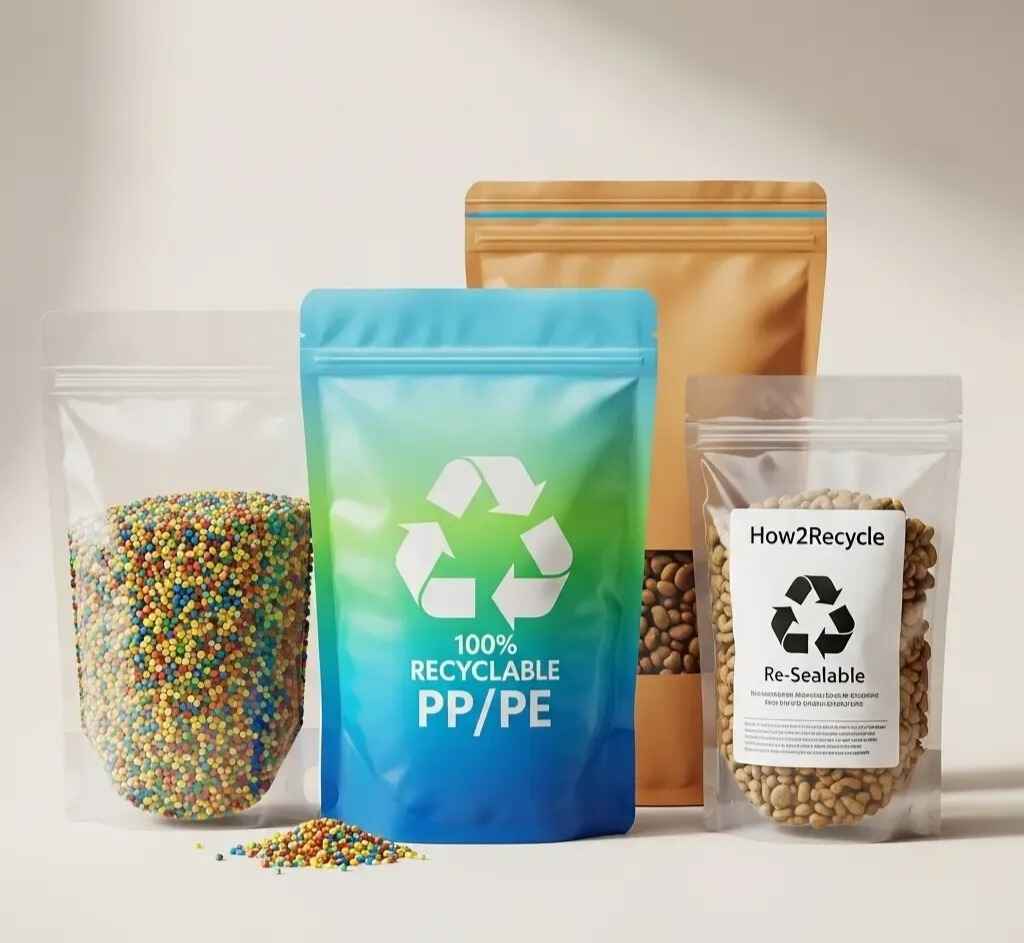
Recyclable flexible packaging was once seen as more expensive than conventional multilayer packaging. The higher cost was mainly due to material development, specialized manufacturing processes and limited supply. Recent advancements and increased production have brought prices closer to conventional options.
Economies of scale and improved manufacturing technologies have lowered production costs significantly. Manufacturers can now produce recyclable packaging at prices that compete with traditional flexible packaging. This makes sustainable packaging economically viable for businesses of all sizes.
As cost differences continue to shrink, more companies are choosing recyclable flexible packaging as part of their sustainability strategies. The combination of financial feasibility and environmental benefits has made recyclable packaging a forward-looking solution in the market.
Recyclable flexible packaging is suitable for many industries. In the food and beverage sector, it is used for snack pouches, frozen food wraps, sauces and beverages. Its barrier properties keep products fresh and safe during transport and storage.
In the pharmaceutical and personal care industries, recyclable flexible packaging is used for medicine pouches, wipes, creams and cosmetic products. It protects sensitive items while supporting sustainability goals.
Household and cleaning products also benefit from recyclable flexible packaging. Detergent pouches, cleaning wipes and other consumer goods can be packaged efficiently while reducing environmental impact. The versatility and eco-friendliness of recyclable packaging make it a practical choice across different sectors.
Innovation has played a key role in the growth of recyclable flexible packaging. Advances in material science and manufacturing have improved barrier properties, strength and print quality without affecting recyclability.
New coextrusion technologies allow multiple layers of the same material to be combined, improving performance while keeping packaging recyclable. Manufacturers are also using recycled content, reducing the need for virgin plastics.
Continuous innovation ensures recyclable flexible packaging stays competitive. By enhancing both functionality and sustainability, the packaging industry can meet changing consumer demands and regulatory requirements.
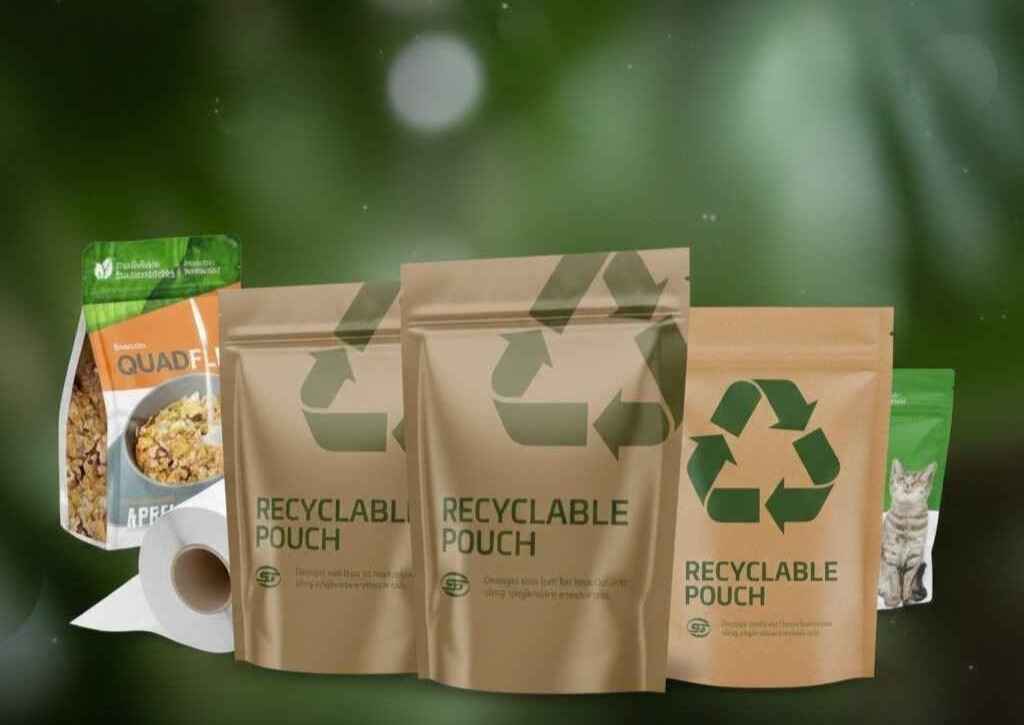
Consumer demand is a major driver of recyclable flexible packaging adoption. As awareness of environmental issues grows, consumers increasingly look for products with sustainable packaging. Brands that use recyclable packaging can strengthen their reputation and build loyalty among eco-conscious buyers.
Retailers and businesses also see the value of sustainable packaging. Offering recyclable options can improve brand image, meet regulatory requirements and support corporate social responsibility efforts.
The combination of consumer demand, environmental benefits and economic feasibility has made recyclable flexible packaging the future of flexible packaging. Companies that adopt this trend are well-positioned to lead the market while supporting a more sustainable world.
Recyclable flexible packaging offers significant environmental benefits. Unlike conventional multilayer packaging that often ends up in landfills because it cannot be recycled, mono-material packaging can be efficiently processed in recycling facilities. This reduces waste, conserves resources and supports circular economy practices.
Sustainability goes beyond recyclability. Using materials that can be recycled multiple times helps reduce reliance on virgin plastics, lowers carbon emissions and minimizes environmental pollution. Companies that adopt recyclable flexible packaging show commitment to environmental responsibility, which also appeals to eco-conscious consumers.
The positive environmental impact of recyclable flexible packaging makes it an important part of sustainable business practices. Industries can maintain high-performance packaging while actively helping to reduce plastic pollution and conserve natural resources.
Printing and labeling need to be compatible with recyclable packaging to keep its environmental benefits. Water-based inks and recyclable adhesives are now used to make sure packaging stays fully recyclable.
High-quality graphics, brand messaging and clear product information can be achieved without reducing recyclability. This makes packaging both attractive and eco-friendly.
Clear labeling helps consumers dispose of packaging correctly and improves recycling rates. Modern packaging design now combines sustainability with effective communication.
Recyclable flexible packaging is lightweight and compact, reducing transportation costs and storage space. Its flexibility allows more products to be shipped in each shipment, lowering fuel use and carbon emissions.
Mono-material films make handling and storage easier while preventing damage and keeping packaging intact.
These supply chain benefits add to the environmental advantages while keeping recyclable packaging practical and efficient for businesses.
New material technologies have improved the performance of recyclable flexible packaging. Engineers have created advanced grades of polyethylene (PE) and polypropylene (PP) films that provide strength, flexibility and durability while staying recyclable. These materials can handle transportation and storage without affecting product safety.
Multi-layer mono-materials allow different densities of the same film to be combined, improving puncture resistance and overall packaging strength. This keeps products protected while allowing the packaging to be efficiently recycled.
Material innovations also enhance print quality and design options. Packaging can be attractive and customized for branding while remaining sustainable. These developments show that recyclability does not mean sacrificing functionality or appearance.
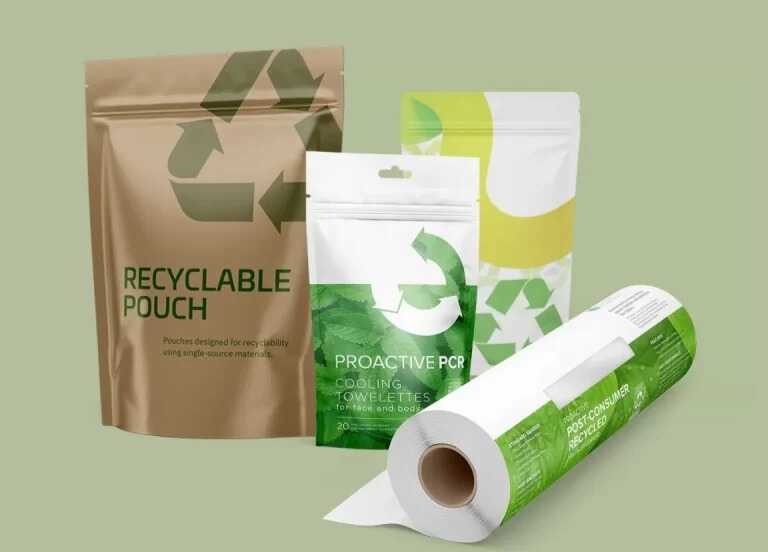
Global regulations are encouraging the use of recyclable packaging and reducing plastic waste. Using recyclable flexible packaging helps companies follow these rules and avoid penalties.
Recyclability certifications and EU standards guide material choice, labeling and design to ensure proper recycling.
Adopting recyclable packaging proactively helps businesses meet legal requirements while showing their commitment to sustainability.
Consumers are increasingly choosing products with sustainable packaging. Brands that use recyclable flexible packaging can strengthen their reputation and attract environmentally conscious buyers.
Sustainable packaging also allows brands to clearly communicate their eco-friendly initiatives, building transparency and trust.
Aligning packaging with consumer values enhances loyalty and market position while supporting sustainability goals.
Recyclable flexible packaging is very versatile. Pouches, wrappers and bags in different sizes and thicknesses can be made without affecting recyclability.
Closures such as zippers, spouts and resealable options can be added while keeping a mono-material design.
This versatility allows packaging to meet functional, aesthetic and convenience needs across industries, from small products to large commercial items.
Recyclable packaging faces challenges in areas without proper recycling facilities. Without the right infrastructure, recycling benefits are limited.
Consumer behavior also affects recycling success. Improper disposal or contamination reduces effectiveness, showing the need for education and clear labeling.
Manufacturers must balance sustainability, cost and performance. Advanced materials may require investment, but the long-term benefits support their adoption.
Future developments include new bio-based materials that improve recyclability and reduce environmental impact. Research continues to enhance material performance while reducing reliance on virgin plastics.
Collaboration between manufacturers, retailers and recycling organizations will improve the collection and processing of recyclable packaging. Industry standards and certifications are expected to become more consistent.
Increasing consumer awareness, regulations and innovations position recyclable flexible packaging as the preferred solution for sustainable and efficient packaging in the future.
Recyclable flexible packaging is transforming the packaging industry by combining product protection, durability and sustainability. Its mono-material or multi-layer same-material design allows for easy recycling without reducing barrier performance or strength. By using this packaging, companies lower environmental impact, meet growing consumer demand for eco-friendly products and maintain high-quality standards. The combination of performance, cost efficiency and environmental responsibility makes recyclable flexible packaging the preferred choice for modern industries and secures its role as the future of flexible packaging.
Longdapac is the leading 100% recyclable flexible packaging manufacturer in China. We started to make recyclable pouches from 2020. The annual sales is growing rapidly each year. And the technology for recyclable packaging is becoming better and better. Currently it is very close to conventional materials.
Answer: Recyclable flexible packaging is made from mono-materials or layers of the same material, usually polyethylene (PE) or polypropylene (PP). It is designed to be fully recyclable while providing effective product protection.
Answer: It reduces plastic waste, supports recycling programs, conserves natural resources and lowers the environmental footprint compared to conventional multilayer packaging.
Answer: Yes. Modern recyclable packaging provides excellent barrier properties, durability and protection while keeping products safe and fresh during storage and transportation.
Answer: Costs have decreased due to technological improvements and increased production, while making it comparable to conventional flexible packaging and economically feasible for most businesses.
Answer: It combines sustainability, versatility and performance. With growing consumer demand for eco-friendly products and regulatory support, recyclable flexible packaging meets modern market and environmental needs while becoming the preferred solution for industries worldwide.